
Get ready for a journey. An exploration into a unique territory with a long-standing tradition dating back to the time of the Phoenicians and Greeks. An adventure that will take you into the hidden depths of a special landscape and tantalise your taste buds as well as your curiosity. A magical mystery tour of gastronomy, culture and history. This adventure is a journey into Algarve viticulture.
I had made my own journey to the offices of the Algarve Wine Commission (CVA) in Lagoa to meet their president, Sara Silva. (main photo). We immediately hit it off, having a shared passion for promoting the hidden treasures of the Algarve and, of course, wine!
Sara has been working with Algarve wines since 2009 and has been CEO since 2019. The fact that she has a degree in tourism is indicative of the direction CVA is taking. Not only is it the protector of the unique quality of Algarvian wines, but the commission is also on a mission to bridge the gap between the region’s two biggest assets: wine and tourism.
Sara explains, “Everything in the Algarve is connected to tourism and if you have a great year in tourism, we’ll normally have a great year in wine sales. So it’s a correlation between the two sectors.”
Sara believes that Algarve wine epitomises excellence, reflecting the region’s history, culture and identity, making it the ideal companion to tourism and the region’s quest to broaden its tourist offering away from the crowded coastal region.
The role of the Algarve Wine Commission (CVA)
The CVA is the governing body responsible for certifying and controlling the region’s wines and has a dedicated permanent team of five at its offices in Lagoa. Rigorous checks guarantee the origin and high quality for consumers, i.e. Denomination of Origin (DO) or Geographical Indication (GI) certifications reassure consumers about the quality of the products they purchase. As Sara points out, “The wine passes a very hard and complex process of certification to assure the consumer that they are tasting a wine from the Algarve of high quality.”
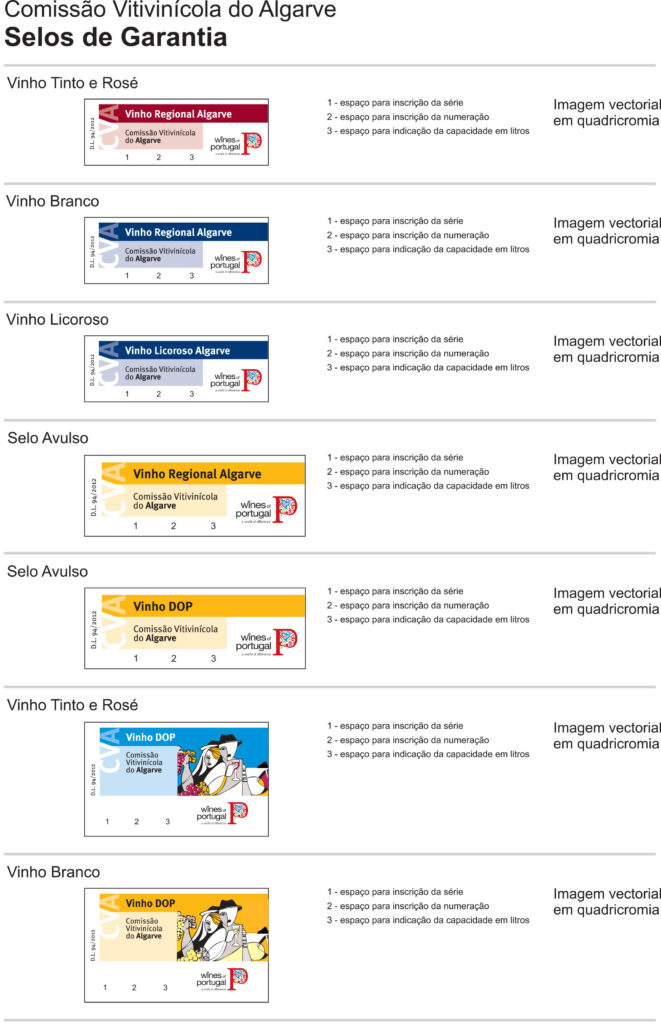
Wine makers pay to be certified, giving them the kudos of having passed stringent quality control, which includes inspections of the vineyards, bottling, processing and tasting. The CVA will also buy their certified wines from supermarkets as a further test to ensure that the wine reaching the consumer is the same as that they have tested at the vineyard. Certified wines have a label on the back of the bottle with the CVA name proving that the wine has passed all the processes within the certification.
The CVA also protects the geographical integrity of the Algarve and the four specific denominations: Lagos, Lagoa, Portimão and Tavira. It has been a long and complicated journey for Sara to get to know the process inside and out. “I’ve been learning about the wines and the wine sector through all my years here. It’s very complex because you have many rules and many laws regarding the wines and more specifically in terms of the certification.”
The symbiosis of wine and tourism
Sara explains to me that, even with the help of the hardy native grape, Negra Mole, the Algarve is unable to keep up with the production of other wine-producing regions, such as the Alentejo or the Douro. This means there isn’t sufficient quantity to make it financially viable to export the wine for sale abroad. Therefore, to ensure the wine of the Algarve is enjoyed, it is necessary to encourage tourists to experience its unique charms while they are visiting. Wine tourism also promotes the genuine traditions of the Algarve while providing crucial year-round employment (social sustainability).
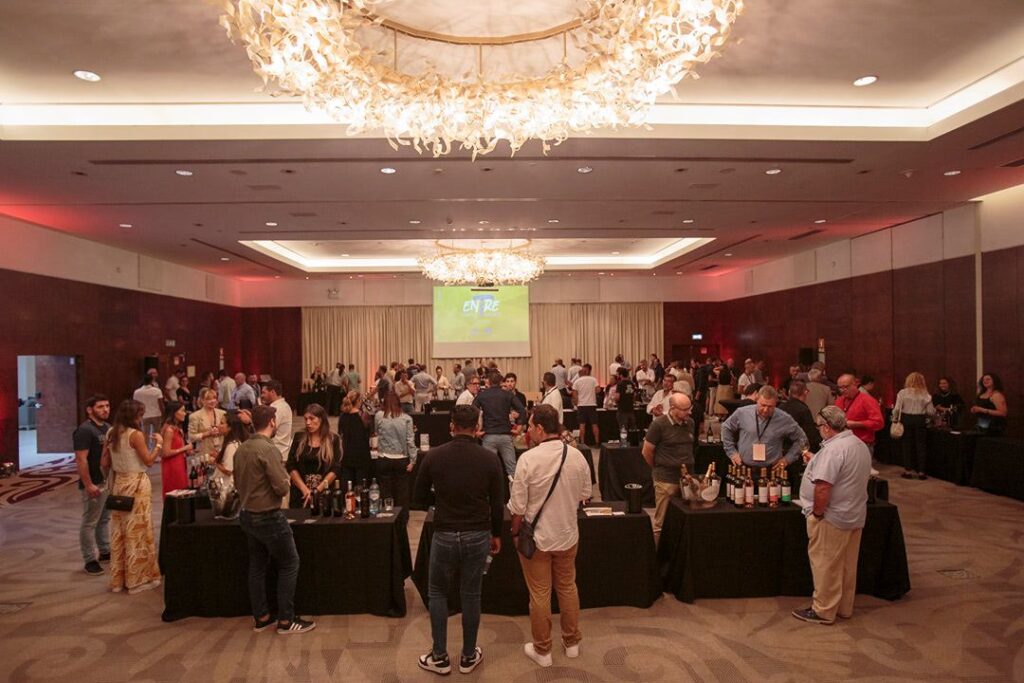
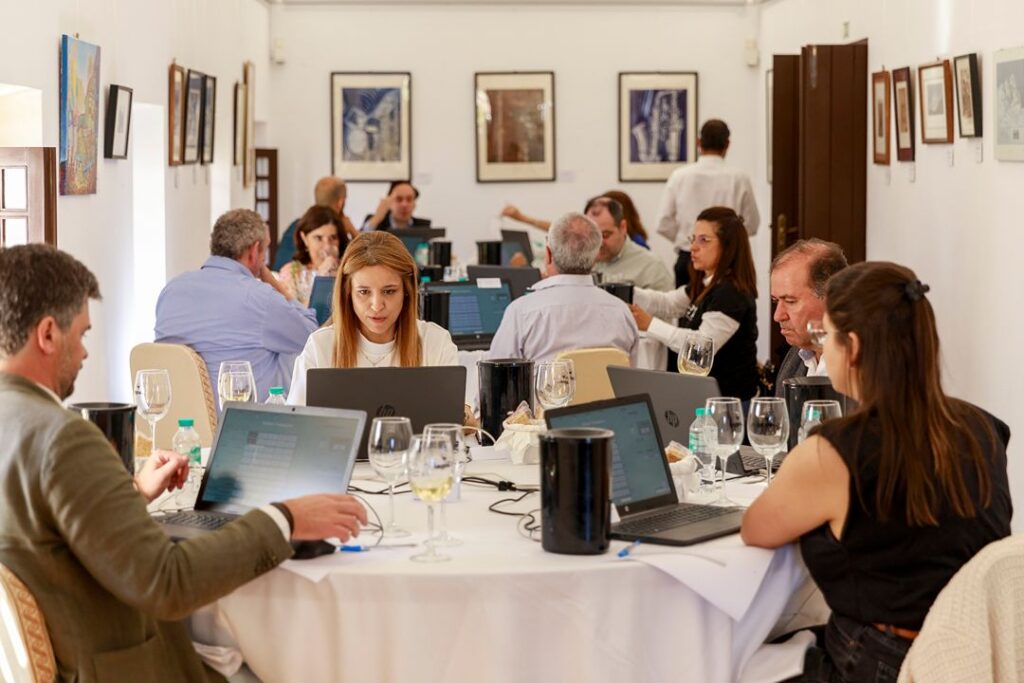
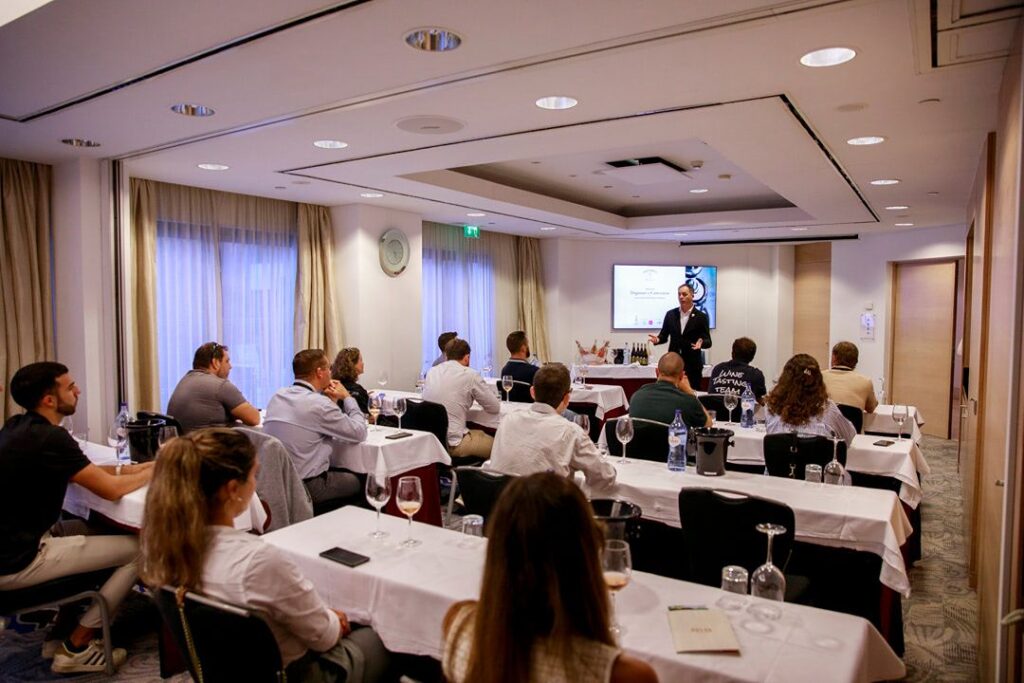
Most local wines are sold within the region at hotels, restaurants, and through direct wine tourism. Therefore, CVA and the local câmaras are developing increasingly innovative ways to promote the local wine industry through tourism. The CVA has 22 of its licensed vineyards offering wine tourism, which they help promote. They help their 60 certified vineyards through marketing and tasting events. In 2026, CVA will deliver an ambitious and diverse programme of national and international initiatives designed to promote the region’s wines, producers, and growing wine tourism offer. Sara says, “We still need to get the word out there about Algarve wines … to let people experience the taste and to be proud of our viticulture.”
Wine tourism will therefore take centre stage at the second Algarve Wine Tourism Fair (27 April, Lagoa Auditorium), a showcase event that highlights the region’s diverse enotourism experiences. Promotional activities are also scheduled at Faro Airport (1–2 April) in partnership with RTA to target peak Easter travel flows.
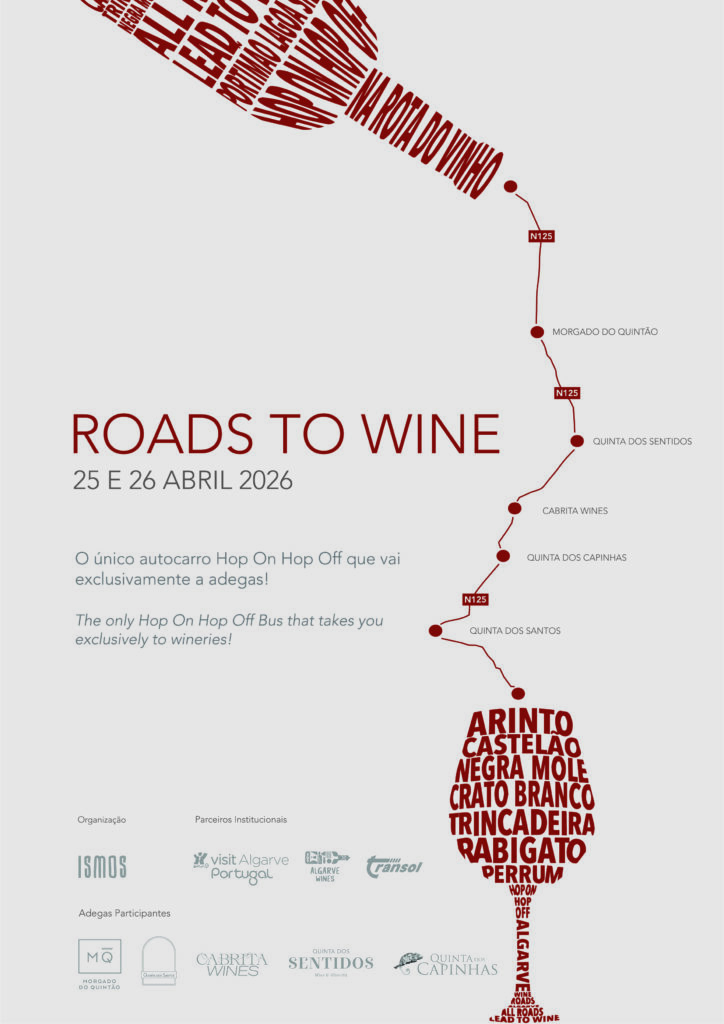
Sara also tells me about their Roads to Wine hop-on, hop-off wine tourism experience, which sounds right up my street! Scheduled for 25 and 26 April, you’re invited to join a unique and exciting wine tasting tour through the picturesque vineyards of the Algarve. Then, on 22 May, Lagoa hosts the prestigious Algarve Wine Competition, organised in collaboration with the municipality of Lagoa, recognising excellence among regional producers.
Throughout the summer, Algarve Wines will maintain strong visibility across key regional events, including the Lagoa Wine Show (June), Tavira Wine Days (July), Portimão Wine Tasting (July), the iconic Sardine Festival (August), and FATACIL (August), where CVA will present a dedicated Algarve Wines Day programme.
The CVA is also on a mission to further educate the local hospitality industry (hotels and restaurants) to ensure Algarve wines are proudly featured across the region. Meanwhile, Portimão câmara has just announced joining forces with neighbouring municipalities – including Lagoa, Albufeira, Monchique, São Brás de Alportel and Lagos – making Portimão a key player in the growing Algarve Golden Terroir (AGT) brand.
Working with CVA in this collaborative strategy, the municipality aims to promote the region’s rich viticulture and position the Algarve as a top-tier destination for wine lovers. As part of this major push, Portimão recently showcased its offerings at the FINE International Wine Tourism Exhibition in Valladolid, Spain. The city also hosted an exclusive Familiarisation (FAM) Trip on 9 March, which brought 12 international buyers from Mexico, Brazil, Norway, the United States, Spain and Portugal to Portimão. These industry experts will get a firsthand look at how the city beautifully blends world-class wine with unforgettable local tourism experiences.
A toast to Algarve wines
My visit to the Algarve Wine Commission has certainly been both educational and exciting. As the Algarve looks to the future, it is vital to expand the region’s appeal beyond the crowded coastal areas to sustain year-round tourism and social sustainability. It is incredibly encouraging to learn of the creative ways Sara Silva and her dedicated team are putting the region’s unique native grape, the Negra Mole, firmly on the map. I strongly encourage readers to actively look for the CVA certification label on the back of bottles in the supermarket; as Sara notes, turning the bottle around to find this seal is your absolute guarantee of authentic Algarve origin, rigorous standards, and high quality.