On the last Sunday of the month, 29 March, many countries in the Northern Hemisphere will move their clocks forward by one hour, marking the start of Daylight Saving Time (DST). At 1 am, the time will advance directly to 2 am, extending evening daylight for the warmer months ahead.
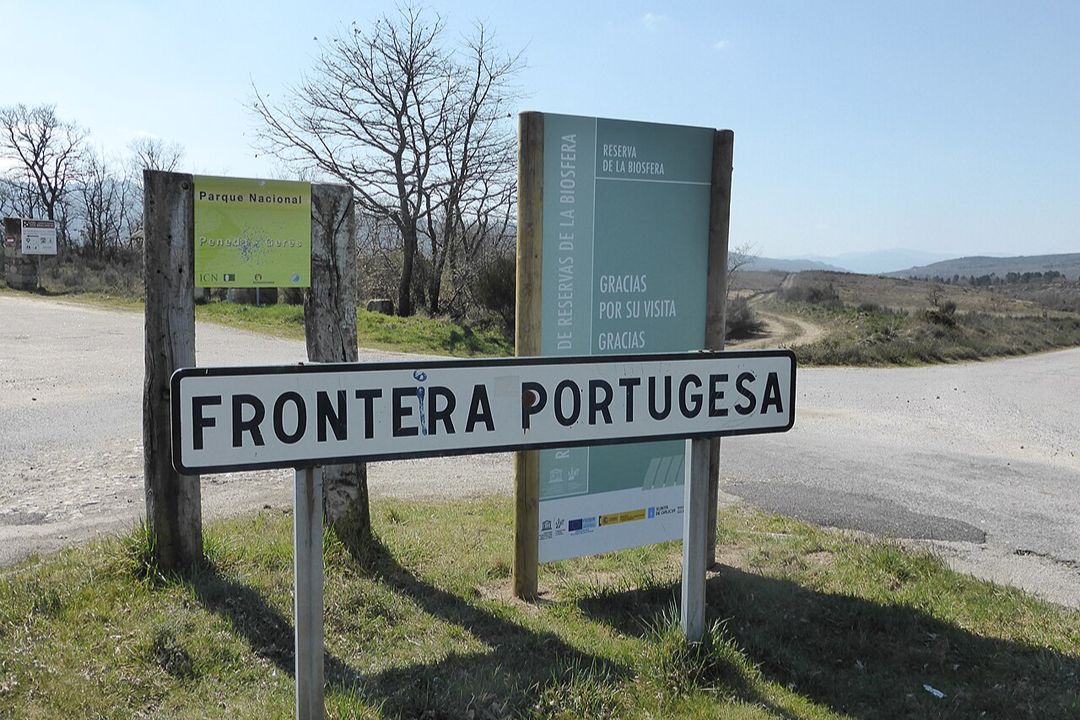
Whilst Portugal follows Western European Time (WET) in winter and Western European Summer Time (WEST) in summer, aligning with the UK and Ireland, just across the border, Spain also moves its clocks forward by one hour, yet its standard time remains one hour ahead of Portugal, even though neighbouring towns on both sides of the border experience the same natural daylight. Why does Spain, our closest neighbour, operate in a different time zone despite sharing a land border only a few hundred metres wide in places?
The answer lies in history. Until 1940, Spain used GMT, the same as Portugal. That changed during the Second World War, when General Francisco Franco issued a decree in March 1940 advancing Spain’s clocks by one hour to align with Central European Time (CET), used by Nazi Germany and Fascist Italy. This shift was not based on geography (Spain naturally aligns with GMT) but was instead a political gesture of alignment with Hitler’s Germany, with whom Franco maintained a cooperative, though cautious, relationship.
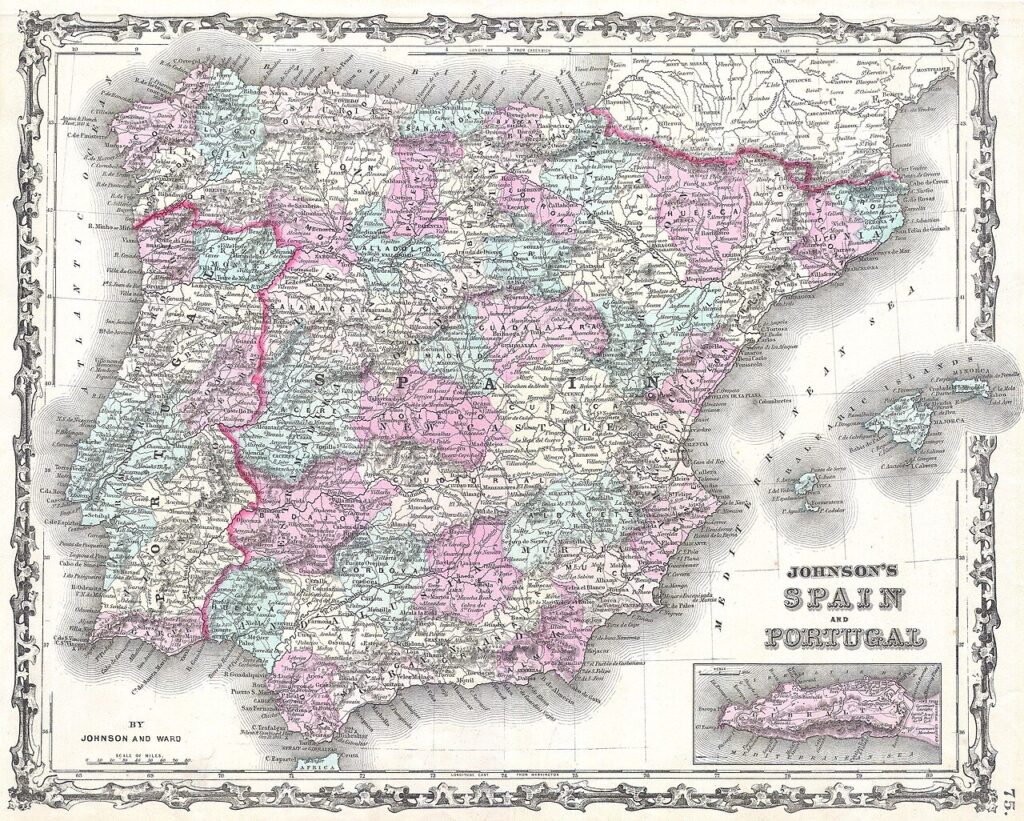
Today, 84 years later, Spain remains on CET, one hour ahead of Portugal, despite several attempts to return to GMT. Various Spanish governments and expert commissions have concluded that Spain’s current time zone is misaligned with its natural solar time, but no change has been implemented, largely because Spain’s famously late daily schedule has become culturally ingrained.
As a result, solar noon in much of Spain occurs around 1.30 pm–2 pm, contributing to later mealtimes, later working hours, and occasional confusion for cross-border travellers. Still, when it is only 12 noon in Portugal, it is 1 pm in Spain – a manageable difference, and certainly less dramatic than the Kiribati Line Islands (UTC+14), where local time runs a full 14 hours ahead of the likes of Portugal and the UK.
Daylight-Saving Time (DST) 2026
Remember to set clocks forward by 1 hour at 1 am on Sunday, 29 March 2026
Did you know?
Greenwich Mean Time (GMT) originated at the Royal Observatory in Greenwich, England, established in 1675 by King Charles II to improve maritime navigation, particularly by helping sailors determine longitude. The system gained global significance in 1884, when delegates from 25 nations at the International Meridian Conference in Washington, D.C. voted to adopt the Greenwich meridian (0° longitude) as the world’s prime meridian, making GMT the international reference point for timekeeping.
Main image: The Portuguese Border by Stephen Colebourne (Creative Commons Attribution 2.0 Generic license)