In this series, James Plaskitt investigates the titans of Portuguese history who have had airports named after them. This month he tells the tragic tale of Francisco Sá Carneiro, who gave his name to Porto airport.
On 4 December, 1980, Portugal’s 46-year-old, recently elected prime minister boarded a small plane in Lisbon together with a handful of advisors, headed for his home city of Porto. A few minutes into the flight, the plane broke up, plunging to the ground and killing all its occupants. The young post-revolution republic acquired one of its first martyrs.
Sá Carneiro was born in 1934. After his education, he moved swiftly into a legal career in his home city of Porto. His interest in politics began to develop during what turned out to be the closing years of the dictatorship established initially by Antonio Salazar. Sá Carneiro was certainly not sympathetic to the regime, but he was initially cautious in expressing his opposition.
As the regime’s grip began to slacken slightly once Marcello Caetano succeeded the ailing Salazar, Sá Carneiro agreed in 1969 to stand as an ‘independent’ candidate for the state-controlled National Assembly. His candidacy was not opposed by the regime, but his status granted him a little more latitude than was granted to most of the loyalist Assembly members.
Sá Carneiro had already begun formulating his own political ideology, which placed him very much in the centre ground, which he himself defined as ‘social democratic’. Sensing that the regime’s grip on power was beginning to weaken, he took up the cause of Bishop Antonio Gomes. As Bishop of Porto, Gomes had challenged Salazar after the fraudulent 1958 presidential election campaign, in which the state had ensured the defeat of Humberto Delgado. Having dared to challenge Salazar, the bishop was forced into exile in Spain in 1959. Sá Carneiro argued it was time he was allowed back. After a sustained campaign, Caetano agreed and the bishop returned triumphantly to his city.
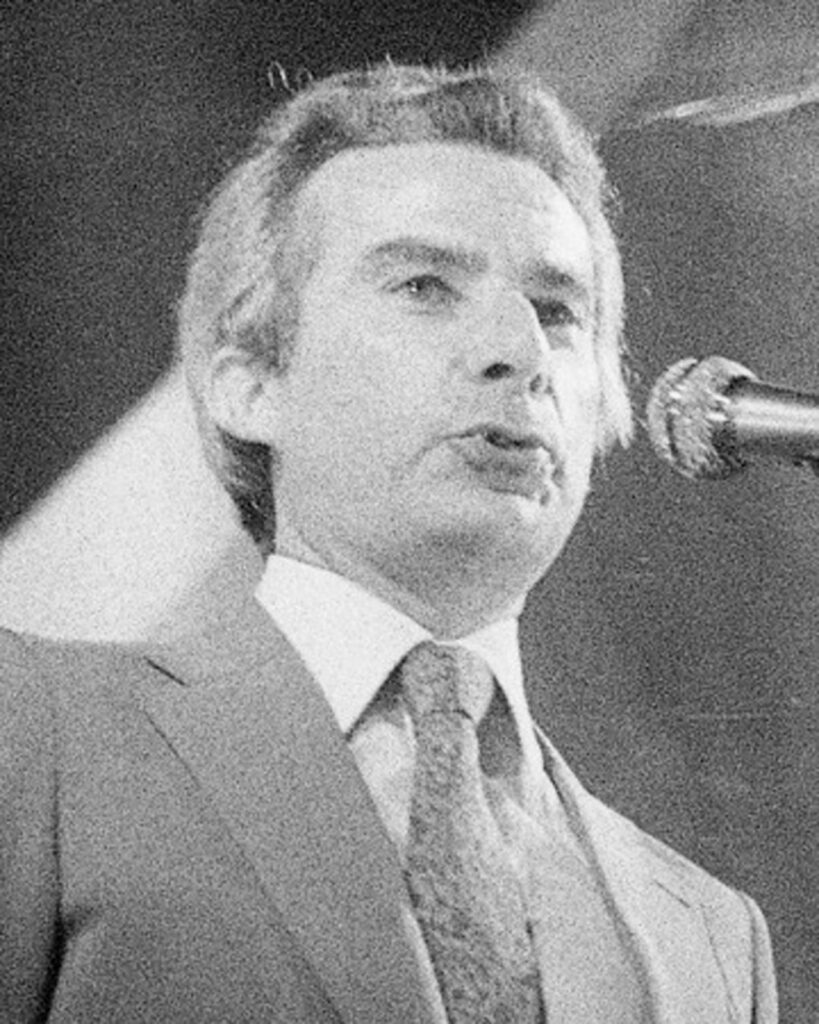
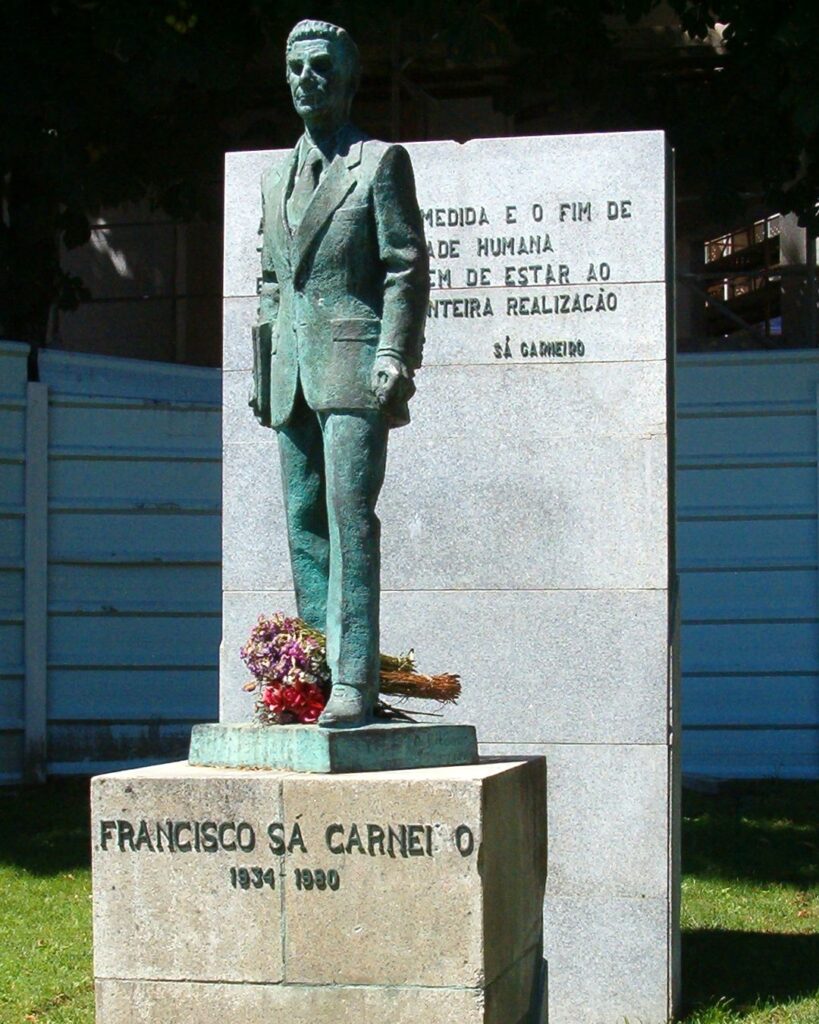
Buoyed by this victory over the authoritarian tendencies of the regime, Sá Carneiro used his position in the Assembly to press for further changes. He argued for the reintroduction of direct elections for the presidency, abandoned by Salazar after the 1958 debacle. He also argued for the release of political prisoners and the abolition of censorship. However, all these campaigns failed as the regime mounted stubborn resistance against all such ideas. In 1970, he proposed a new constitution for Portugal, which recognised human rights and basic freedoms. That too was viewed very dimly by the regime. Disillusioned, Sá Carneiro resigned from the Assembly in 1973.
A year later, after the Carnation Revolution, the regime was gone and a new democratic republic was gradually established. Sá Carneiro moved quickly to establish the Popular Democratic Party (later the PSD), on conventional social democratic lines. He served as a minister in the first provisional government, where he was alarmed at the new government’s perilous financial situation.
For the general election of 1979, he aligned his party with a group of centrist and centre-right organisations to form the Democratic Alliance, which triumphed at the polls, securing an overall majority in the new Assembly. In January 1980, Sá Carneiro was appointed prime minister, and his government began work on a moderate, centrist programme of reform.
Eleven months into his term, he agreed to speak at a political rally in Porto. But he never made it. Speculation has surrounded the crash ever since, with there being no shortage of conspiracy theories. A parliamentary investigation concluded in 2004 that the plane was brought down by a bomb, but there was no clear evidence about who had placed it on board.
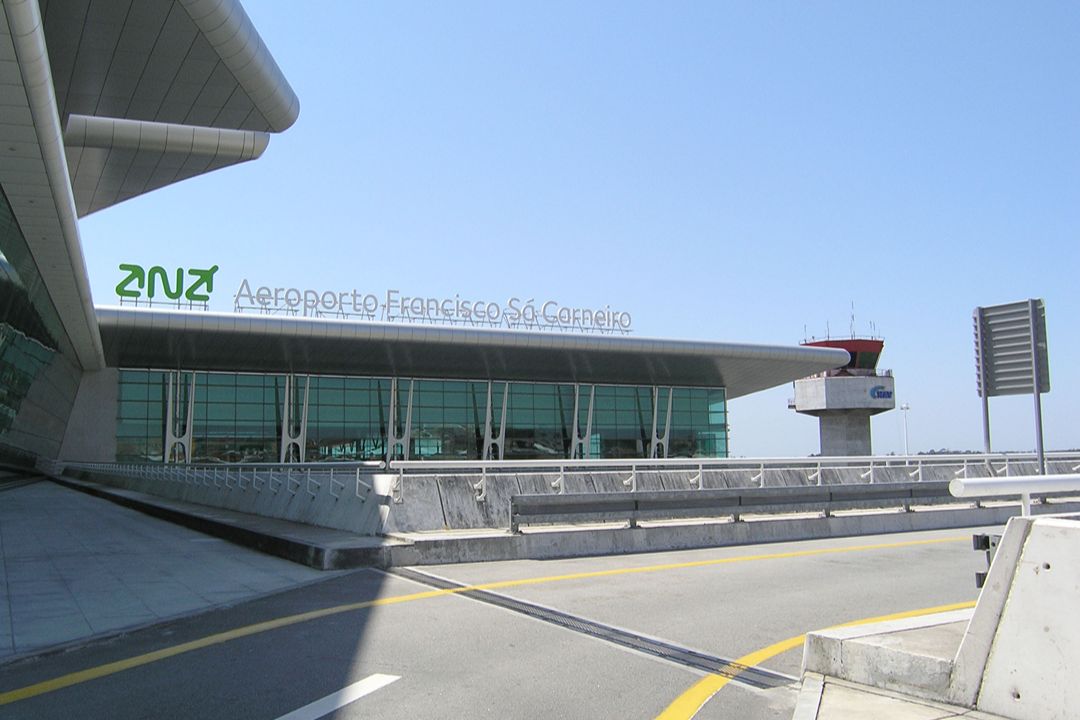
In 1990, the City Council of Porto decided to name their airport after him.
James Plaskitt is a retired politician who was a member of the British Parliament from 1997 until 2010. He now lives in the Algarve.
Main photo: Aeroporto Francisco Sá Carneiro, Porto © Kanakari, CC BY-SA 3.0, via Wikimedia Commons