The Algarve is famous for its warm weather and beautiful beaches. Thousands of people head to the coast each summer to enjoy the blue skies and sunshine. The sunny days and calm seas create the perfect setting for an ideal day at the beach. But beware! There’s an unsuspecting creature hidden in the sand that can deliver a sting you’ll remember for a long time.
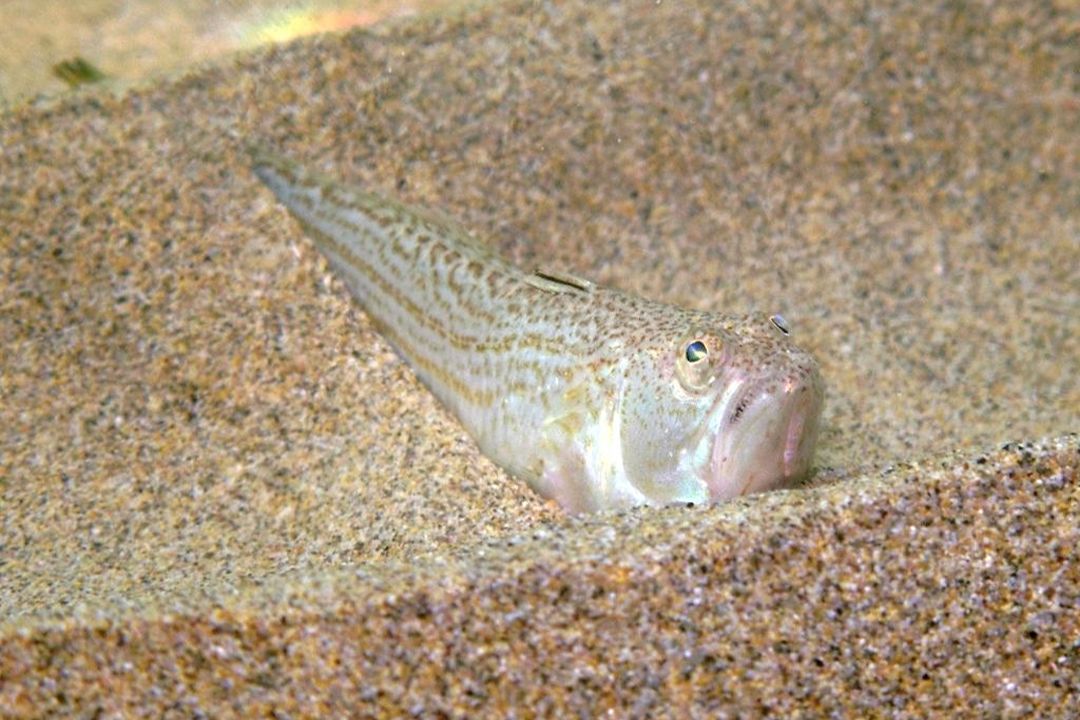
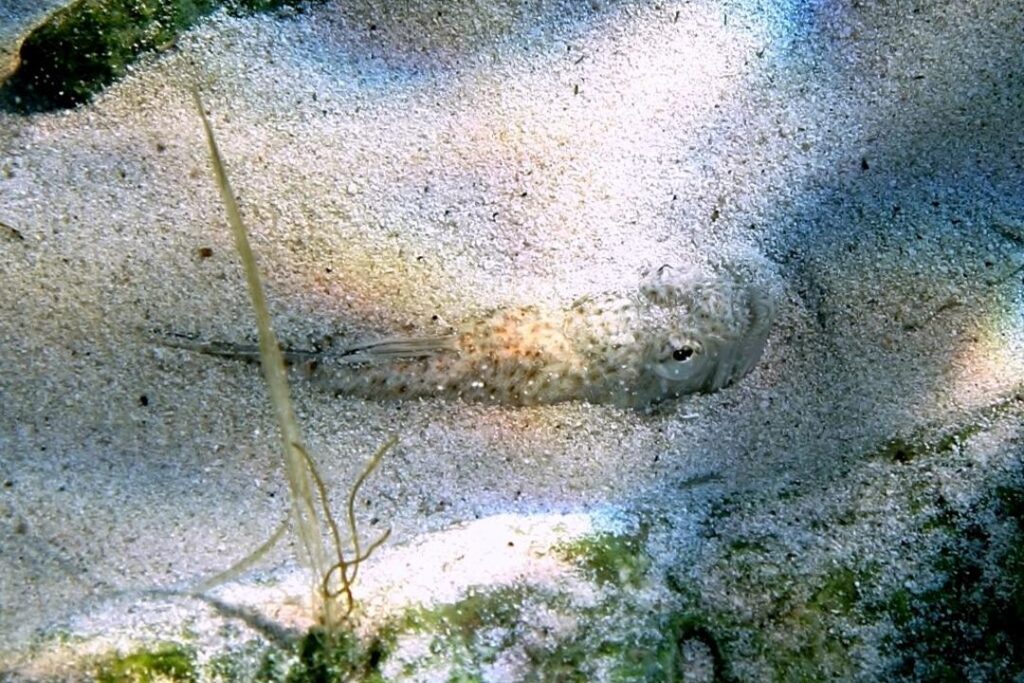
The unsuspecting creature we’re talking about in this month’s edition is the lesser weever fish (Echiichthys vipera). The spider fish or peixe-aranha, as it is commonly known in Portugal, does not attack or intentionally harm humans. It prefers calm, warm waters with little or no wave action – just like us, really. On days like these, the lesser weever buries itself in the sand, perfectly camouflaged, and waits for tiny crustaceans to swim by before snatching them. With its eyes positioned high on the head facing upwards and its upturned mouth, it is perfectly adapted to spot its prey approaching and strike when it’s within its range. The ambush strategy allows the weever fish to conserve energy and maximise its hunting success. Lying hidden on the sandy seabed, it is virtually undetectable, and this is where it poses its greatest threat.
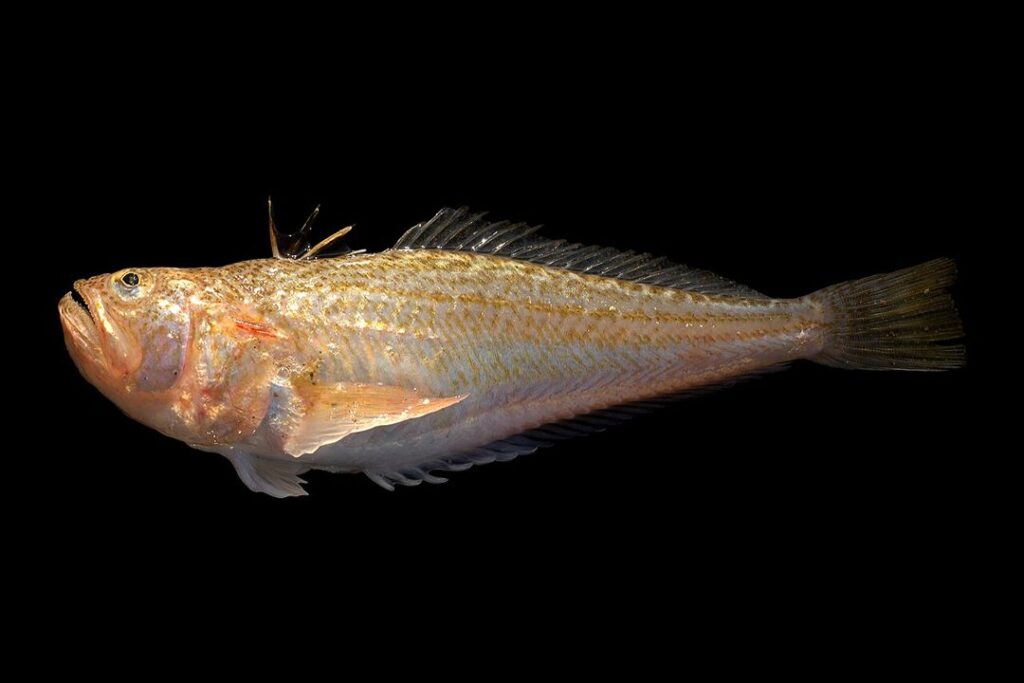
Despite having no interest in humans, beachgoers do occasionally step on one by accident. As a defence mechanism, the weever fish delivers a powerful sting that injects its venom through the spines of a dorsal fin just behind its head.
At first, it may feel as though you have stepped on a sharp shell or a piece of glass, but it soon develops into intense pain. If you have been stung, or if you are assisting someone who has, the best way to counteract the venom is by applying heat. Submerge the affected foot, hand or leg in hot water (ask the lifeguard, the beach cafe or restaurant – they will help!) as hot as you can tolerate without burning yourself. The heat helps break down the venom, and you should begin to feel significant pain relief quite quickly.
Contrary to popular belief, urine does not help at all, so save yourself – and your children – from that embarrassing moment. Ice is not recommended either, as it can actually concentrate the toxins and intensify the pain.
In most cases, soaking the affected area in hot water for 30–60 minutes is sufficient. However, pregnant women, anyone experiencing severe pain, or anyone showing signs of an allergic reaction should seek medical assistance immediately.
So when the sea is calm and inviting, remember to drag your feet through the sand as you walk – it disturbs any hidden weever fish and sends them swimming away before you can step on one.
Species ID
| Name | Lesser Weever Fish (Echiichthys vipera) |
| Size | Small: 10– 15 centimeters |
| Colour | Yellowish, sand-coloured |
| Habitat | Low depths, coastal, sand-bottom shores |
| Behaviour | Ambush predator |
| Venom | Heat-sensitive toxins |
| Best remedy | Hot water immersion for 30–60 minutes |
Fun Fact (Not So Funny This Time)
The weever fish is caught by fishermen and is highly prized for its tasty flesh. It is commonly used in Portuguese dishes such as cataplana and caldeirada, and even served on its own as filetes de peixe (Portuguese-style battered fish).
The problem is that the weever fish has a remarkable ability to remain alive for many hours after being removed from the water. Even after it has died, its venomous spines can still deliver a painful sting, often catching fishermen and fish handlers by surprise.
Did You Know?
People often talk about venomous and poisonous animals, but what exactly is the difference?
The distinction lies in how the toxin enters the victim’s body. Venomous animals inject toxins by biting or stinging. They have specialised body parts, such as fangs, spines or stingers, which they use for hunting or active self-defence. This makes the lesser weever fish a venomous animal. On the other hand, poisonous animals are much more passive and use their toxins purely as a defence mechanism. They do not sting or bite. Instead, toxins are transferred to another animal when they are touched or eaten – species such as the dart frog, cane toad and some brightly coloured caterpillars.