Hi, Gilly and Jayne, back with a couple of questions for you.
Is it wrong to eat salad in winter?
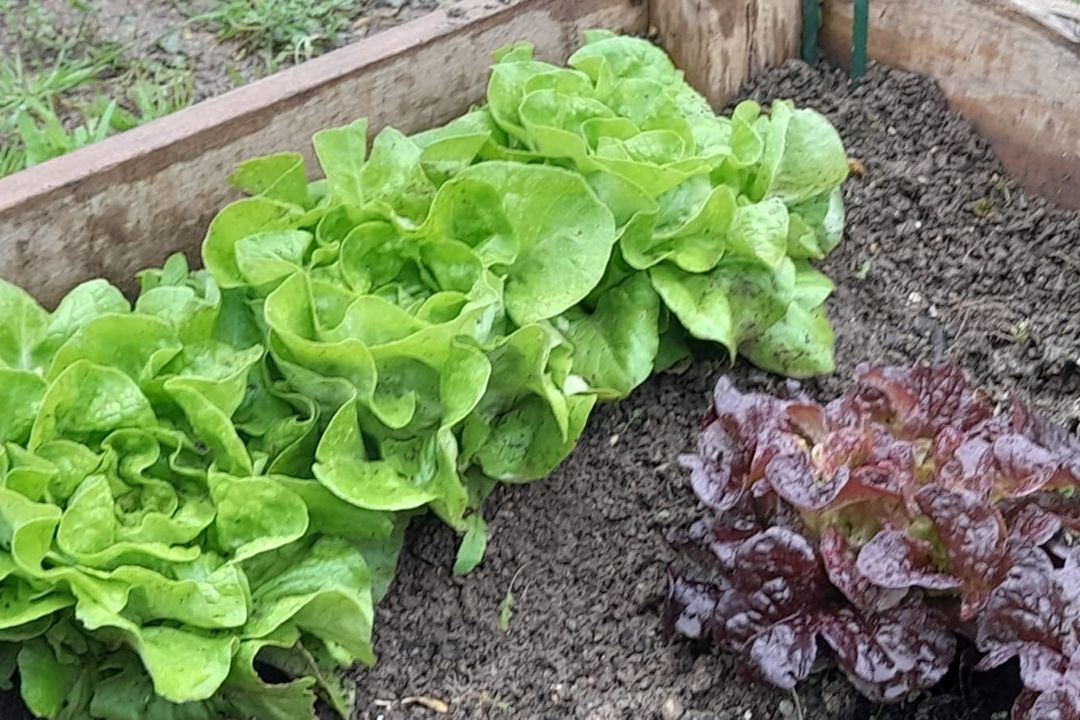
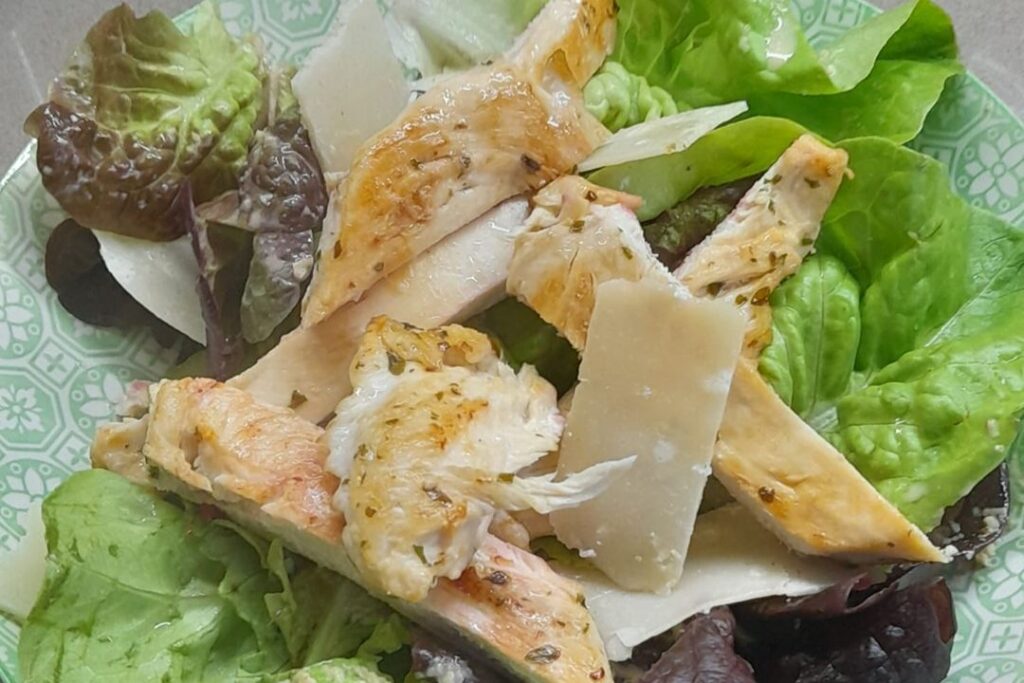
We think not! Especially when you have beauties like these on your allotment. How they survived the storms we don’t know, but we’re not complaining. The chicken Caesar salad was delicious.
Have you heard of Hügelkultur?
Neither had we. It is German for ‘hill culture’, a sustainable/low-maintenance gardening technique that uses piles of wooden debris, organic materials, compost and soil to create mounds, which naturally decompose and create an ecosystem, not unlike the forest floor. Having read about it and having a plentiful supply of branches and leaves, courtesy of storm Kristin, we decided to experiment in one of our new beds.
Our beds are really boxed borders, and each one is a generous square meter. For this box, we dug into the corners to secure it with stakes and removed any visible weeds. We then set about building our ‘hügelbed’.
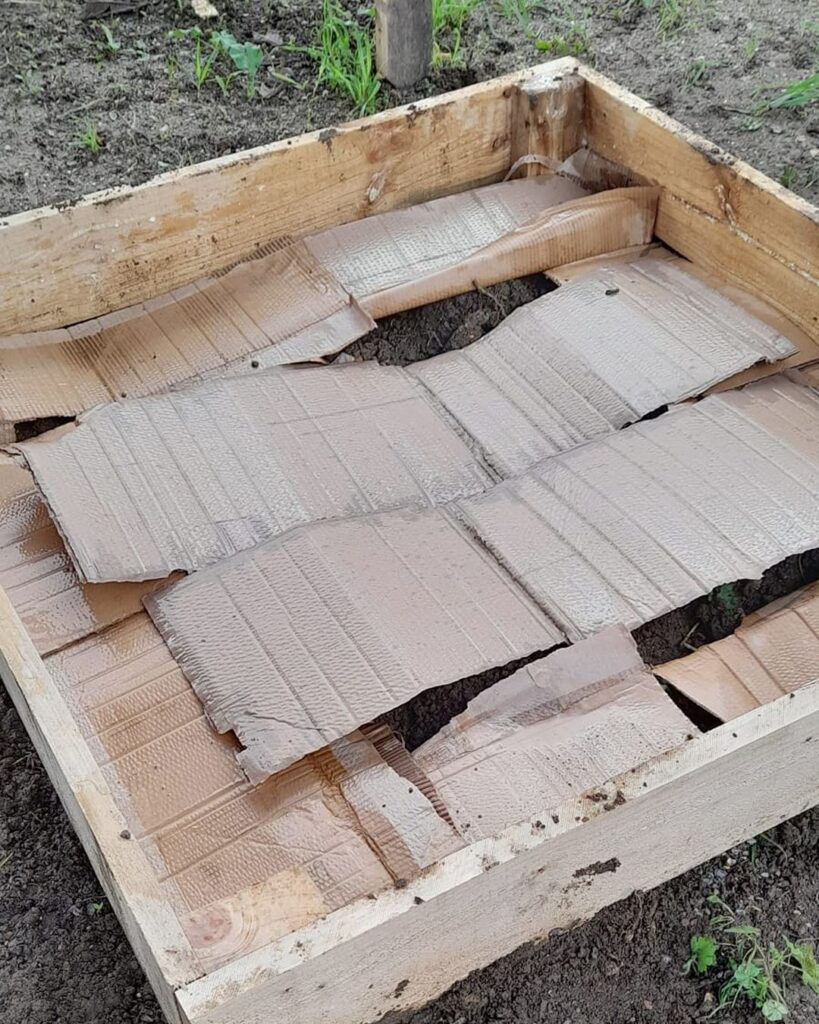
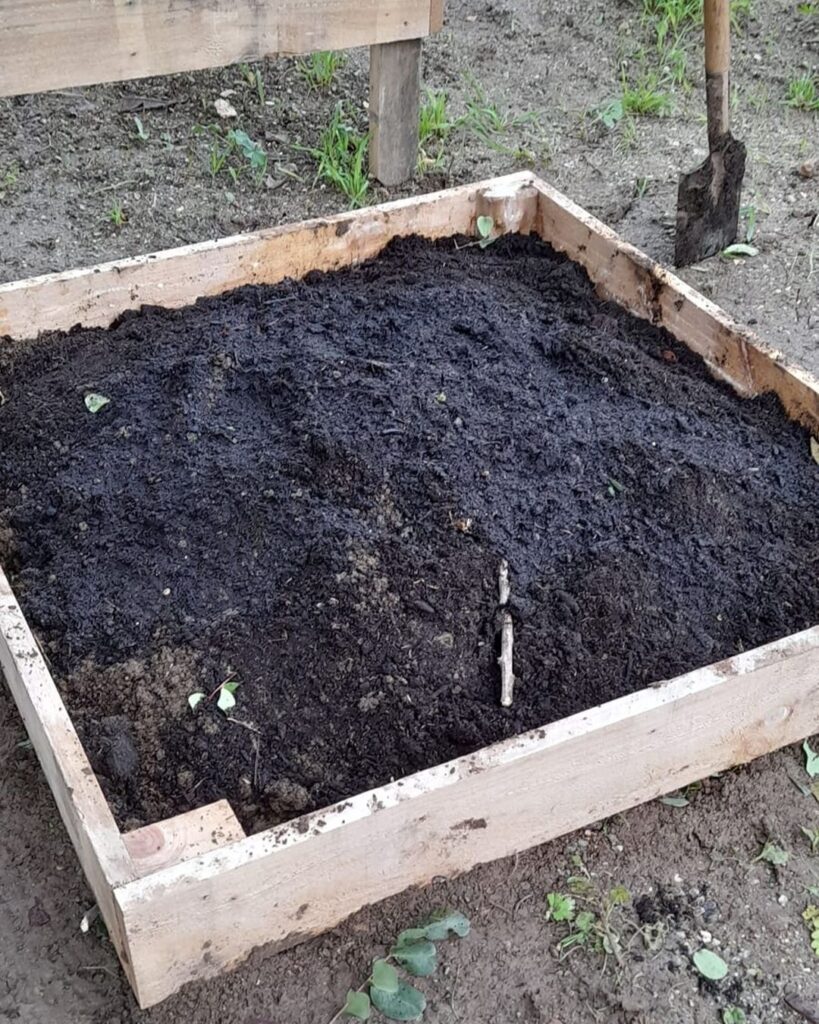
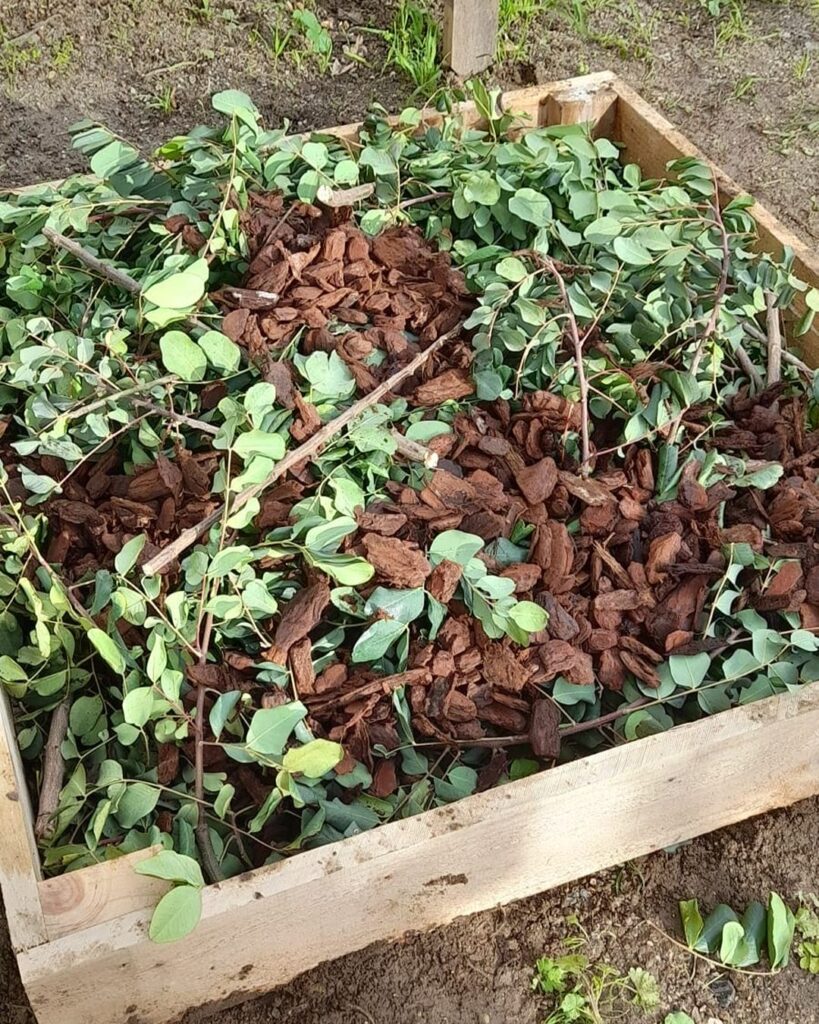
Ground cover – first, we put a layer of cardboard directly on the ground and watered it well to help with decomposition. This will act as a barrier, stopping weeds from growing through.
Base layer – we hunted around the allotment for damp logs that had been around for a while and placed them in the centre to form a robust structural support. If you can find ones that have started decomposing, they are probably hosting beneficial fungi, bacteria, insects, worms and microbial growth that create nutrients your plants can use. As the wood rots down, it will hold water like a sponge and reduce the need for watering – perfect for Algarve summers.
Organic debris and mulch – next, we used our storm debris. We placed the branches and leaves into a symmetrical mound and added some woodchips to help weigh down the branches and fill the small gaps. This green/fresh-cut wood will help speed up the decomposition process. Other organic materials like straw, shredded newspaper and grass cuttings will also work, and using a diverse mix of textures and structures will help to trap oxygen, retain moisture and suppress weeds.
Top layer – we covered the mound with topsoil and let it settle. This layer will need to be at least 10 cm deep, sufficient for planting into while the wood breaks down. This bed will be good to use in the summer, but will mature and improve with age. It will sustain itself in terms of fertilising and pest control, and should only need an additional top layer once a year.
Planting out – for this first year, the soil won’t be deep enough for root crops and the rotting wood will be using up nitrogen that would otherwise be going to the plants, so we will probably use it for herbs, peas and peppers. Over the long term, it will be a fertile mound, great for a wide range of crops including squash, pumpkins, melons, cucumbers, tomatoes, aubergines and leafy greens – we’ll report back later in the year.
This is a great project for small spaces, along with enjoying the fruits of your labour, it reuses organic materials and reduces your environmental footprint – win, win, win!
Things you need to know about hügelbeds
- make sure your organic materials aren’t poisonous, don’t have weed seeds or disease
- don’t use pre-treated woods
- don’t build the mound too steeply and use a retaining edge or ditch to prevent the rain from washing away the top level
- don’t compact the mound – this will reduce its ability to absorb water and air, and stop roots from spreading; this method is perfect for gardens with clay or compacted soil
- don’t overmanage the mound; plant marigolds, nasturtiums or calendula to help repel pests and weeds
- the wood will shrink as it breaks down. Rather than adjust the structure, just keep building on top; when needed, add organic debris and topsoil, ideally over winter.
Recipe – Caesar salad dressing
Using a hand whisk or stick blender, combine until smooth, adjust taste to your liking and chill before using the same day:
- 1 egg
- 2 tbsp olive oil
- 1 clove of garlic, minced
- A good handful of grated Parmesan cheese
- Juice from half a lemon
- A splash of Worcestershire sauce
- Half tsp Dijon mustard
- 1 or 2 anchovies (optional; if not using, add a good pinch of salt)
- A good pinch of ground black pepper
(If you can’t eat raw egg, or need a fast/no fuss dressing, substitute this for mayonnaise and only use enough oil to loosen the consistency)