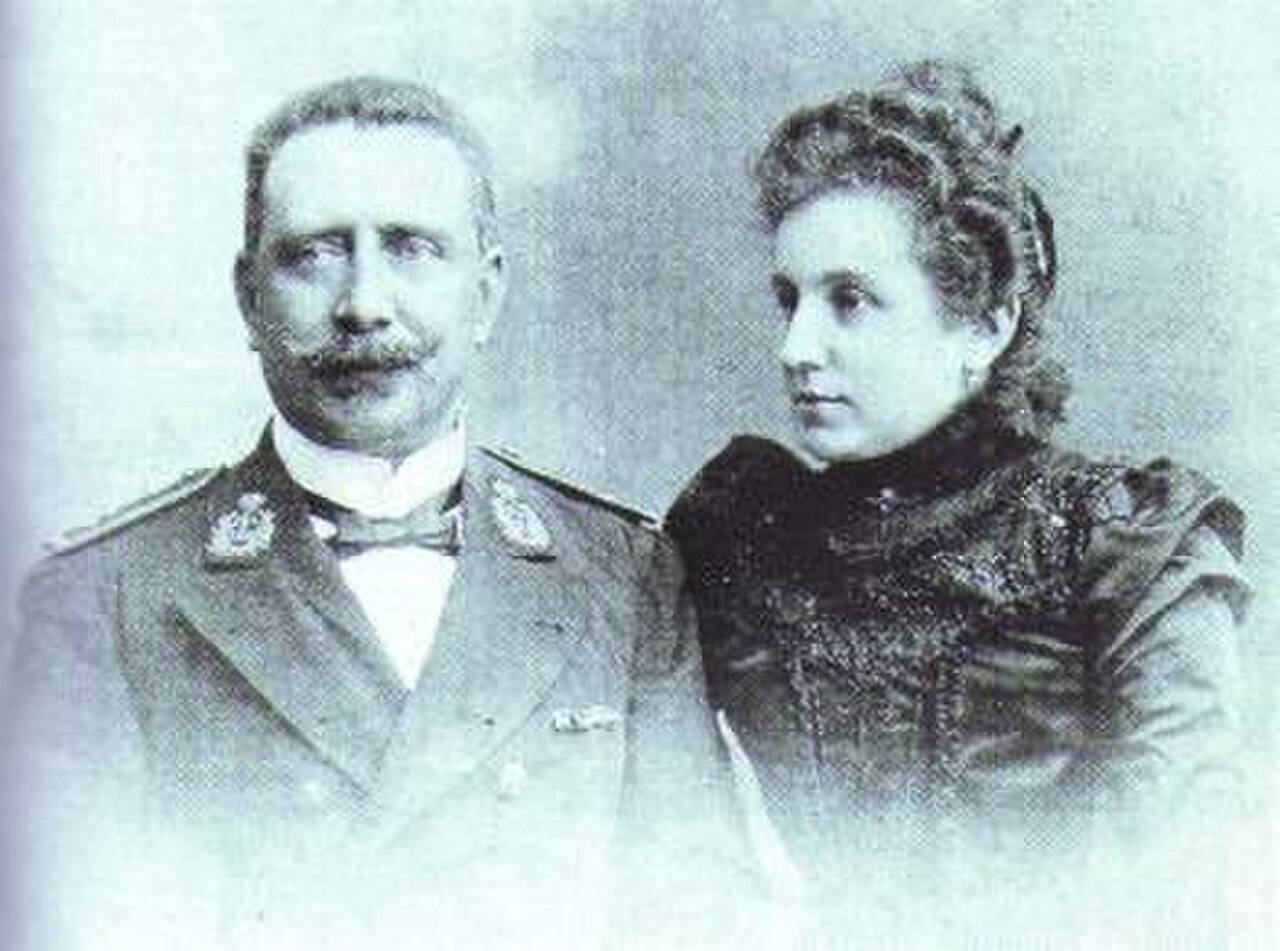
In this series, Dan Costinas investigates the women who have directly influenced Portuguese history or the arts. This month, he investigates Maria Madalena Pinheiro Nogueira, the mother of Fernando Pessoa (1888–1935), a Portuguese poet, writer, literary critic, and translator – widely considered one of the most significant literary figures of the 20th century. Pessoa is a pillar of European modernism and is widely regarded as one of the greatest writers in Portuguese.
Maria Madalena Pinheiro Nogueira’s creative influence was so direct that the seven-year-old Fernando dedicated his very first recorded poem to her in 1895:
À minha querida mamã
Ó terras de Portugal
Ó terras onde eu nasci
Por muito que goste delas
Inda gosto mais de ti.
To My Dearest Mother
O lands of Portugal,
O lands where I was born,
Much as I may love them,
I love you even more.
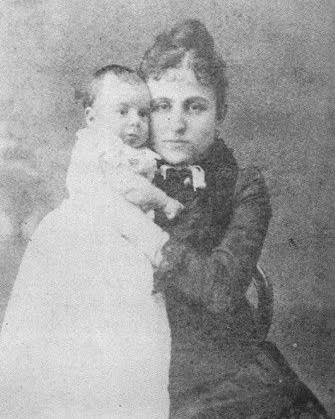
Arguably, his mother was the most profound intellectual and emotional anchor in Fernando Pessoa’s early years. An exceptionally well-educated woman for her era, her aristocratic background, tastes and choices directly shaped his evolution into one of the 20th century’s greatest literary figures. She grew up in a highly literate household, loved reading, spoke French and actively wrote her own poetry. In his mother, young Fernando found his first audience, his intellectual peer and the sole sun around which his world revolved. Long before he began publishing, she cultivated an appreciation for verse and composition within their home.
Following the early death of Fernando’s father, Joaquim de Seabra Pessoa, Maria Madalena remarried a naval commander who was appointed Portuguese consul in Durban. Her decision to relocate the family to South Africa in 1896 completely altered Pessoa’s academic trajectory. Educated by Irish and French nuns before attending Durban High School, he became completely fluent in English and French. This exposure to British literature, culture and language heavily influenced his intellectual development and early writing style, leading him to write prose and poetry predominantly in English.
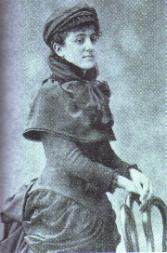
To seven-year-old Fernando, his mother’s decision to remarry was not a practical step towards economic survival, but an existential betrayal. He did not throw a violent tantrum; instead, he fragmented his reality. Shortly after learning of his mother’s engagement, the child invented Chevalier de Pas, an imaginary French aristocrat who wrote letters to young Fernando. It was the birth of his very first heteronym: the first of more than seventy distinct, fully realised literary personas he would construct over his lifetime. Before Fernando Pessoa became modernism’s most famous literary chameleon, he was simply a displaced son creating phantom companions to fill the void left by his mother’s diverted heart. He spent the rest of his life multiplying himself on the page because he could never recover the singular boy who had once belonged exclusively to Maria Madalena.
Five more children were born from Maria Madalena’s second marriage, making her domestic responsibilities substantial. This was probably one of the reasons that led Fernando to move back to Lisbon permanently at the age of 17, while his mother remained in South Africa for another 15 years. Despite the distance, they maintained a profound, lifelong bond through letters, proving how closely she followed her son’s early literary ambitions.
When she returned to Lisbon in 1920 as a widow, Pessoa leased the apartment on Rua Coelho da Rocha specifically to reunite with her and care for her after she suffered a debilitating stroke. Living under the same roof again during his peak creative years provided a sense of domestic stability, and her death in 1925 left an emotional void that deeply darkened the tone of his final decade of work. Reflecting on the impact of losing or being separated from a mother, Pessoa later wrote in a December 1931 letter to his first biographer, João Gaspar Simões:
“I have always noticed that those who have been step-childed by life lack tenderness … whether because their mother failed them through death, or for some other reason.”
Maria Madalena Pinheiro Nogueira was far more than a footnote in her son’s literary biography. She was an educated, polyglot woman of artistic sensibilities whose life bridged the Azores, continental Portugal and South Africa. Her resilience in overcoming profound personal tragedy, combined with her commitment to literature and languages, created the precise cultural conditions from which one of world literature’s most distinctive voices emerged. Her legacy survives not only through her own story of fortitude but through the enduring literary genius of the son she raised.