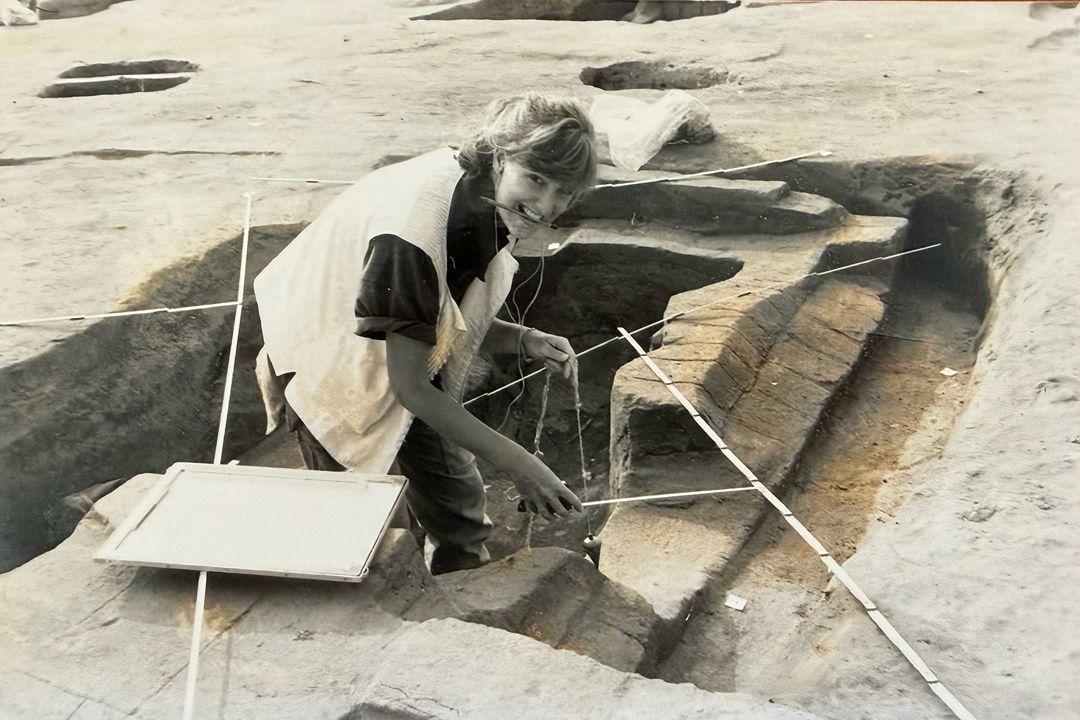
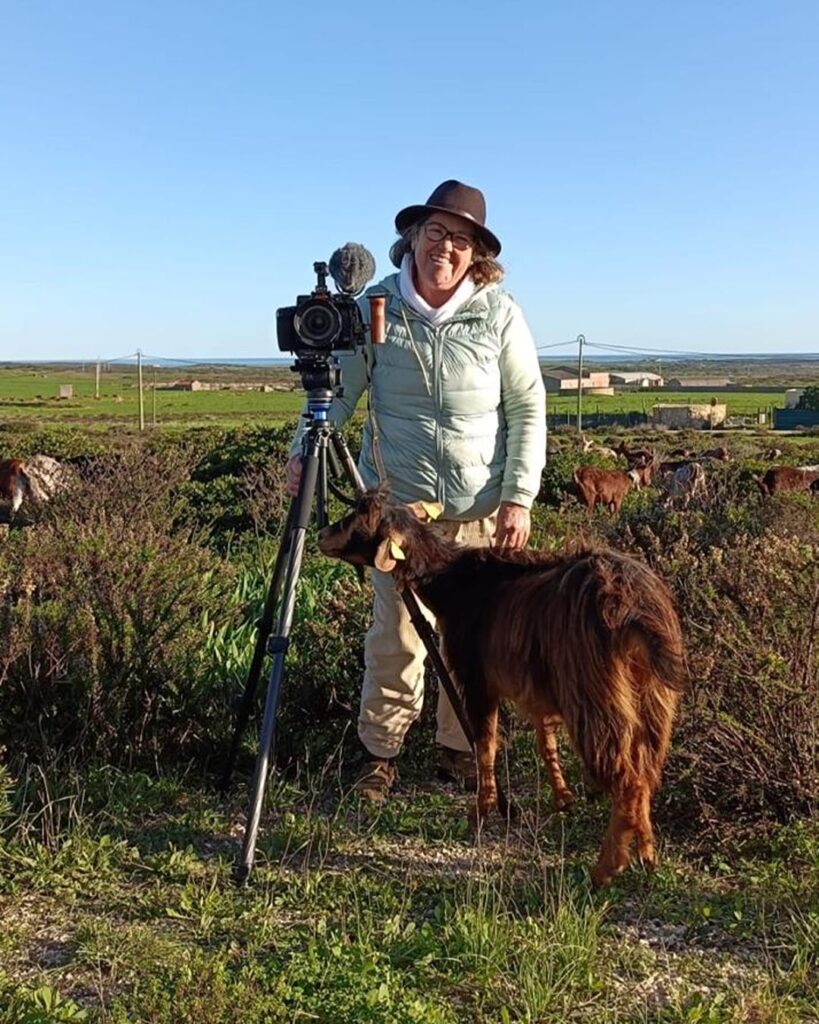
My connection with the municipality of Aljezur dates back to the 1970s. It is a place where I have spent decades conducting ethnographic research to understand local crafts and ancestral cultural values. Over the years, by crossing individual life stories with local history, my work has uncovered a silenced socio-political narrative that has been lost to history.
One of my discoveries involved the 1958 presidential elections and a moment of profound democratic rebellion against António de Oliveira Salazar’s dictatorship from this simple Algarve community. For decades, the true extent of this community’s defiance was buried in the past.
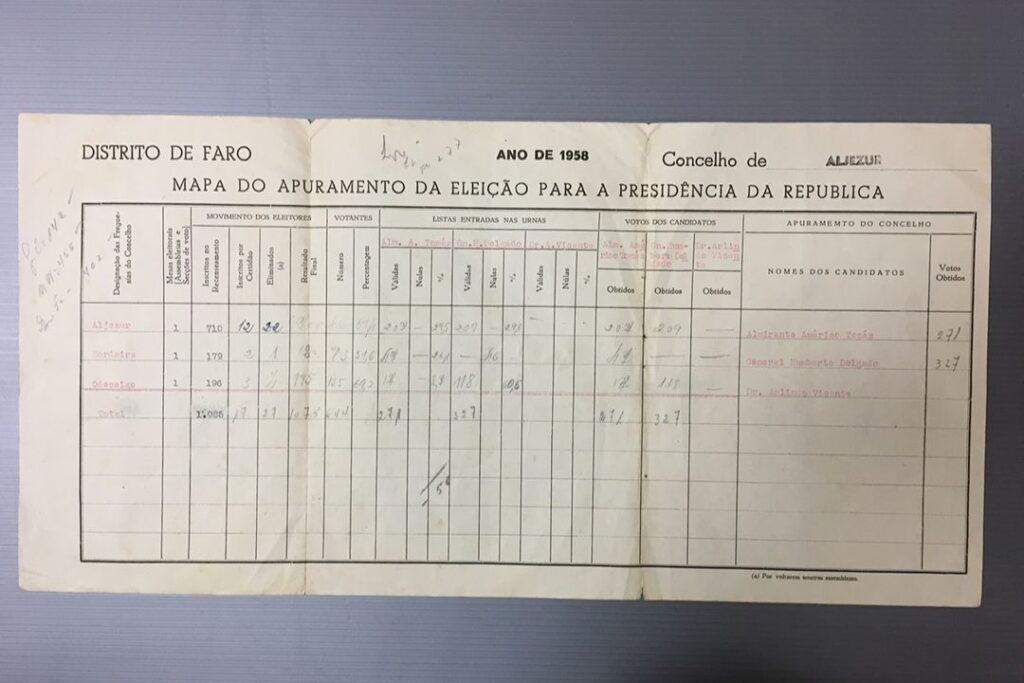
However, my deep dive into the archives brought an extraordinary document to light. Hidden away for an unknown number of years in a cardboard box in the attic of the câmara building, the original vote count map for the 1958 election was discovered and later preserved by the Associação de Defesa do Património Histórico e Arqueológico de Aljezur (ADPHAA).
Examining this fragile piece of historical evidence revealed a stunning truth. According to the official count, General Humberto Delgado, the fearless opposition candidate, won the election in only two Portuguese municipalities: Marinha Grande and Aljezur. The documents I analysed showed that Delgado secured an absolute majority of 50.8% in Aljezur, amassing 327 votes against Admiral Américo Tomás, the regime’s candidate. In the parish of Odeceixe alone, a staggering 118 voters bravely chose Delgado over a mere 17 for Tomás. This unique document validates the historical reality of Delgado’s undeniable victory here, proving that despite the fierce control of the political police (PIDE), honest local citizens managed to protect the electoral process so that actual votes were counted.
Bravery and brutal reprisals
Through my extensive fieldwork, employing genealogical research methods and recording oral histories, I was able to piece together the tragic aftermath of this bravery. During numerous interviews with local elders, the chronological narratives were frequently interrupted by painful “flashbacks” to the era following the election. They vividly recalled how the Estado Novo enacted brutal reprisals; as one local succinctly put it,“the State, Salazar, wiped Aljezur off the national map”.
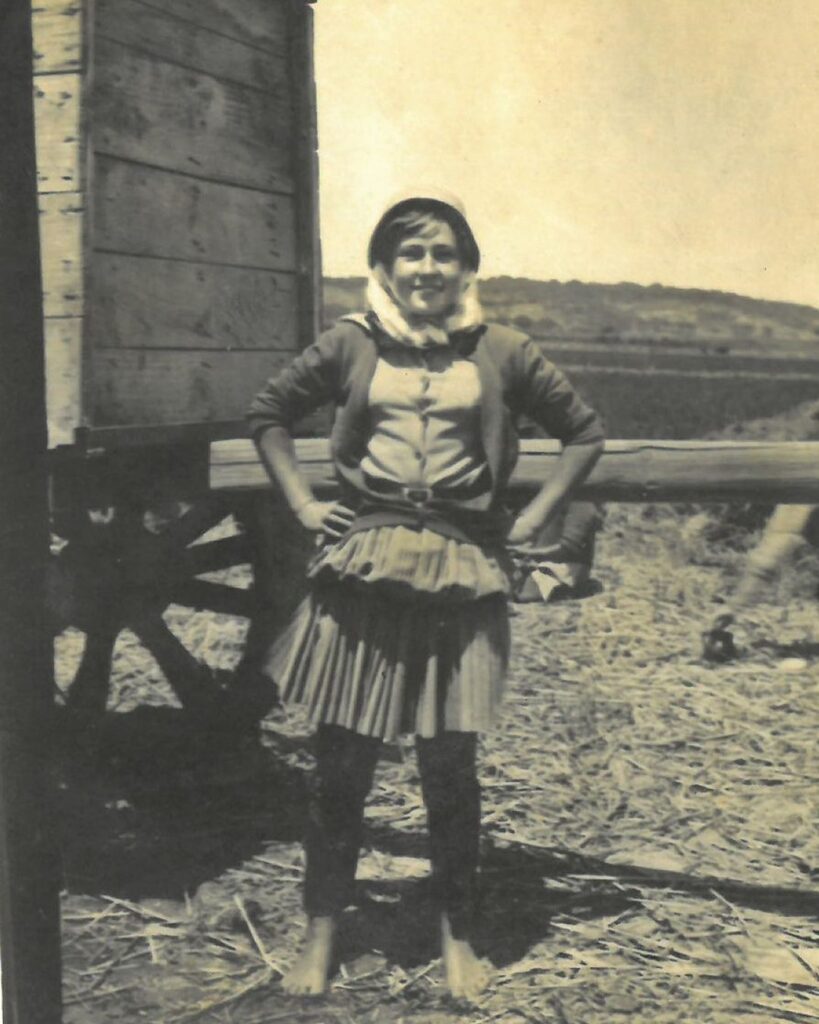
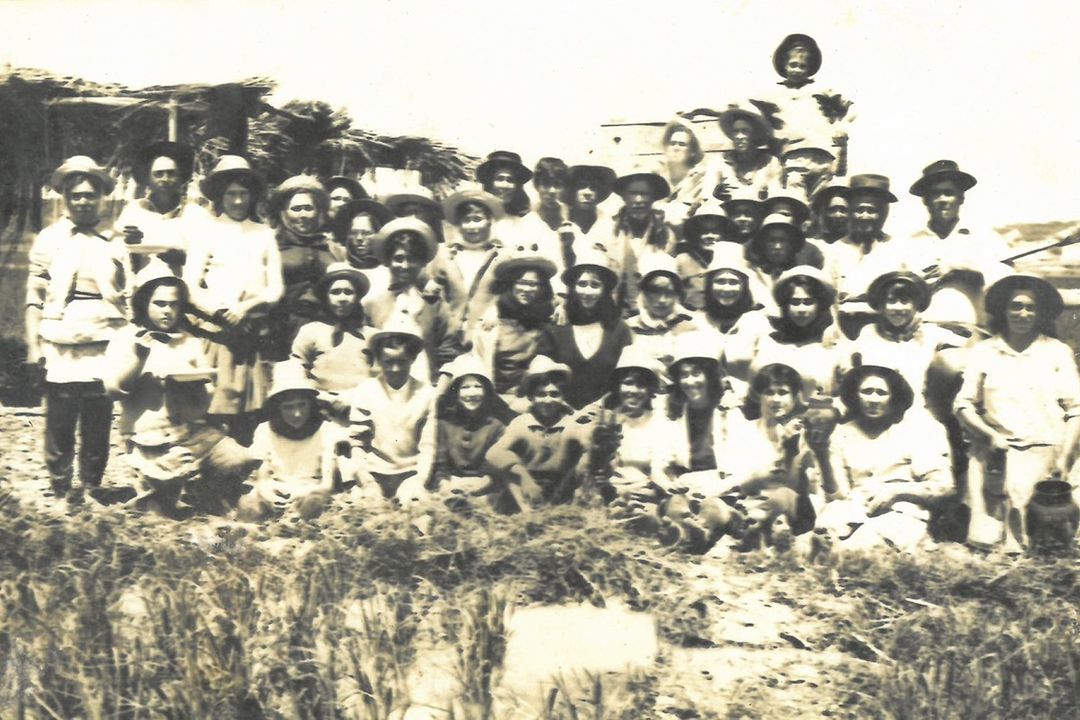
The municipality was deliberately subjected to severe neglect. The regime blocked essential municipal works, government funding, and infrastructural improvements. Before the election, local life was already incredibly harsh, with many travelling to work in the rice fields of Alcácer do Sal, only to return sick with endemic malaria (sezões) and crippled by debt. Following their rebellion at the ballot box, the resulting state-enforced isolation left the community in deep poverty, forcing countless men and women to abandon their homeland to seek survival on the industrial south bank of the Tagus. This mass emigration profoundly disrupted their connection to the territory and interrupted the transmission of age-old family knowledge.
To fully reconstruct this forgotten chapter, my anthropological work relied heavily on the intersection of written records and historical photography. By gathering old photographs kept hidden in family drawers and wallets, these images ceased to be mere illustrations; they became vital historical sources that invited us into the depths of a repressed collective memory. The philosopher Jacques Derrida noted that human memory functions as an archive, shaped by the tension between what we wish to preserve and what is forcibly erased. My goal has been to combat that erasure.
Today, Aljezur markets itself as a stunning destination of biodiversity, historic trails and surf culture. Yet, beneath this idyllic landscape lies a powerful legacy of resistance. In a contemporary global climate where autocratic and extremist rhetoric is once again on the rise, it is increasingly urgent to bring Aljezur’s 1958 rebellion to light. Embracing this memory is not just about historical accuracy; it is about honouring a courageous people and taking responsibility for our society’s democratic future.
Read another article about Vera’s fascinating research on Arrifana’s fishing legacy: tomorrowalgarve.com/oct-2025-the-ebbing-tide-arrifanas-fishing-legacy