Where history and a love of wine bring family, friends and community together
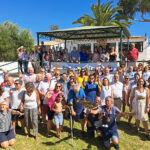
Sometimes you come across a story that can’t help but put a smile on your face. This is a story about a group of friends who embraced centuries of tradition and added their own twist to an already lasting legacy. It is also a lesson about the coming together of family and friends who share a passion not only for wine but also for life.
Talha Mafia Wines is located in Vila de Frades, the capital of amphora wines, a quaint area in the Alentejo. One of the friends describes the town as being in the ‘middle of nowhere’, but what makes the place so special is that you feel like you are transported back to a bygone era, where the aromas and aura of the place make you think you are entering into a Roman bacchanalian feast.
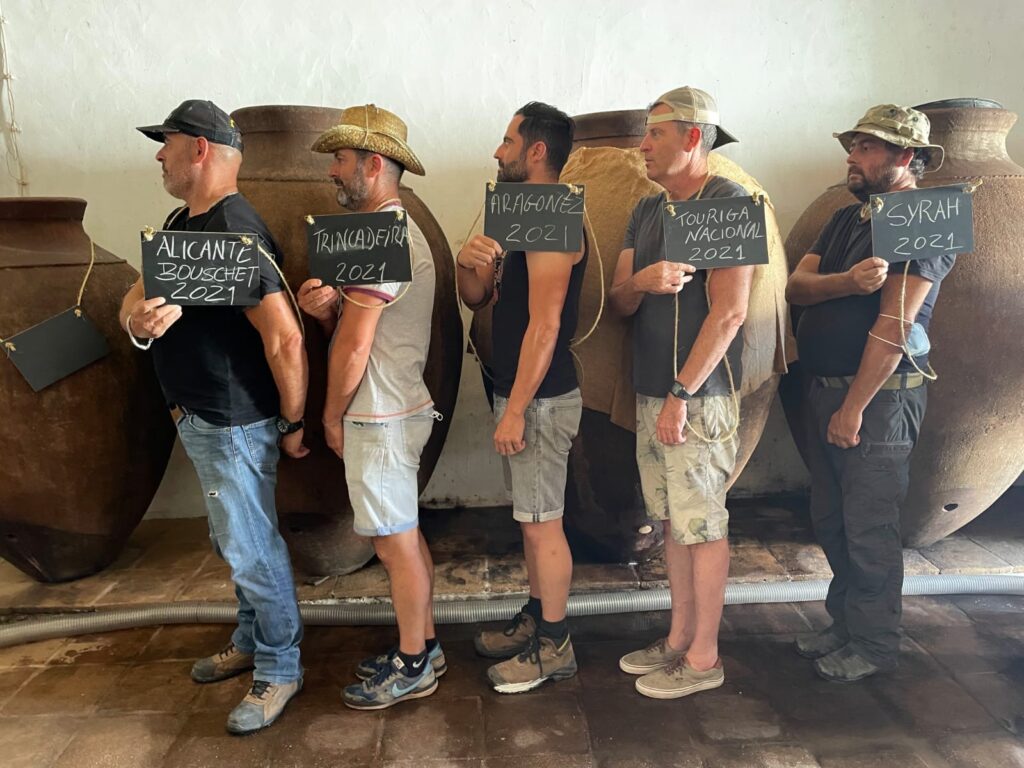
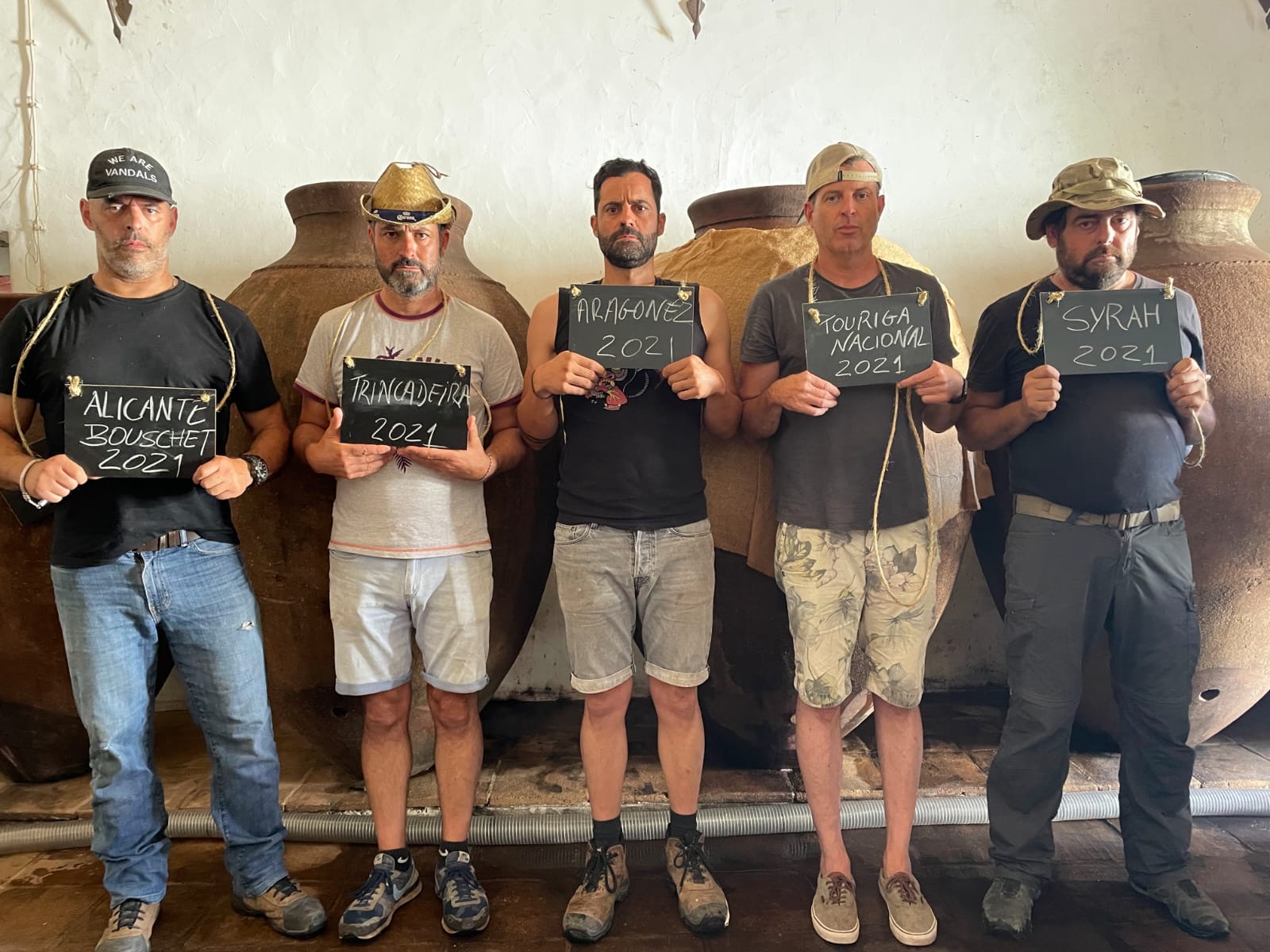
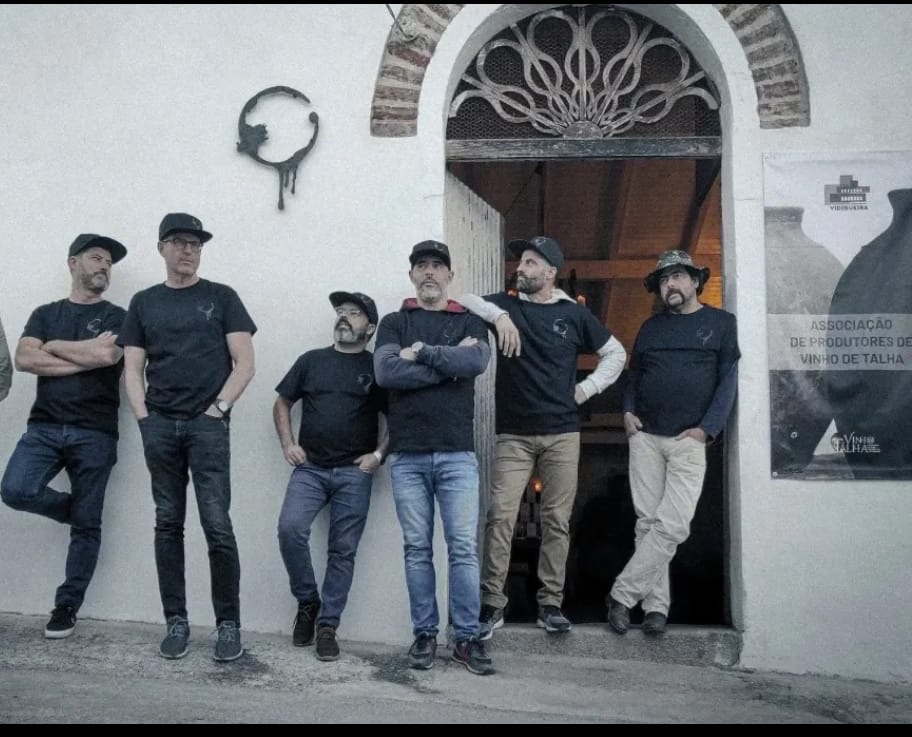
What started out as one of the ‘amigos’ dabbling in winemaking as a hobby ended up as the self-proclaimed ‘Mafia’, who decided to pour their friendship into the venture. In turn, it has brought them closer not only to each other but to the community as a whole. The ‘Mafia’ are made up of Joel Marques, who works and lives in Vale da Telha, his brother, Ismael Marques, Rui Baptista, the brother-in-law, and three of their childhood friends, Rui Saraiva, João Paulo and Michael Geragthy. Five of the six went to the same school, came from the same city and even lived on the same street. The ‘Mafia’ tag came to the fore as they believe themselves to be a band of brothers, enjoying their dual passions of wine and friendship.
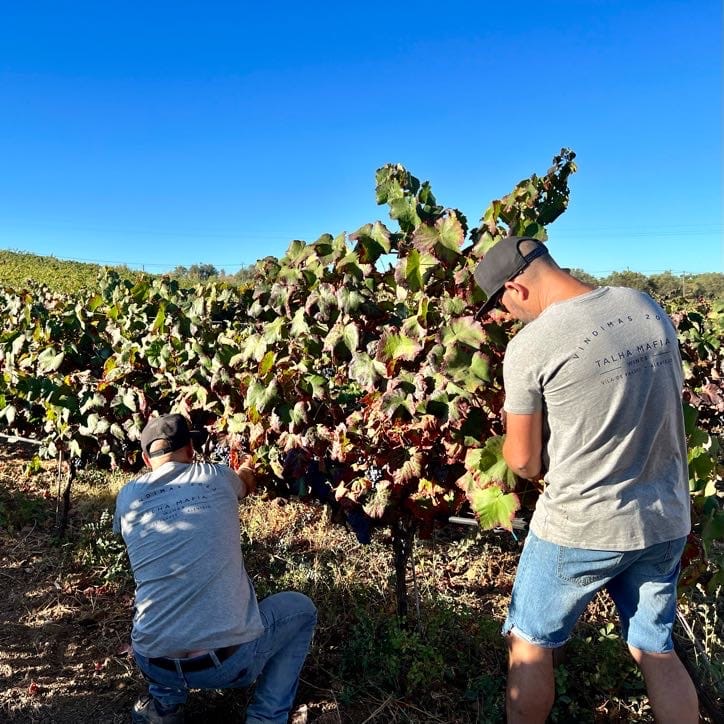
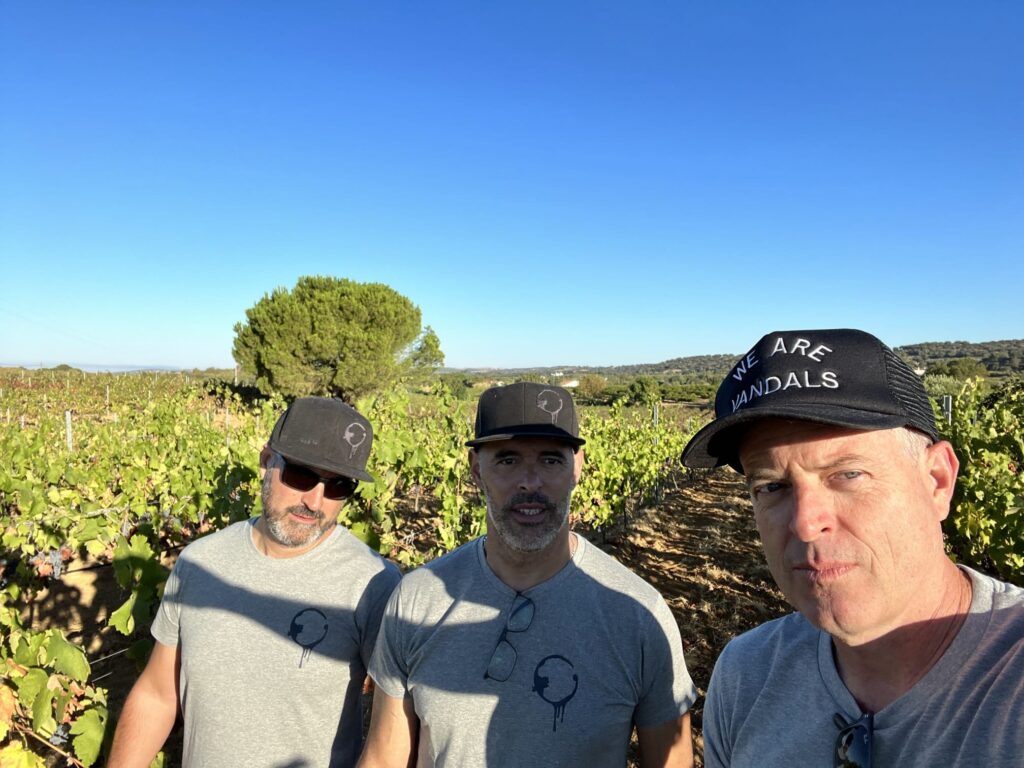
The group of friends established themselves in Vila de Frades in 2020. They are partially housed on a site connected to the historical church Misericordia (est. 1587). The wine is produced in small quantities, with their philosophy being ‘an expression of simplicity’. Where the world is challenged by excess, their mission is one of restraint, from the use of resources and processes, they let the beauty of their grapes shine through. They are currently producing between 3000 and 5000 bottles a year. This venture is not about commercial gain but about bringing joy and pride as part of a process that has been preserved for generations.
The ‘Mafia’ are proud to have their wines showcased in the area’s finer restaurants, bars and wine shops, and are now expanding into pastures further afield, not to mention adding wine-tasting events to their portfolio. In true ‘Mafia’ style, the wines all have the ‘tongue-in-cheek’ appeal of being associated with weapons.
The Musket white is a fresh and vibrant wine, heralding from the Vidigueria grape, and has the added novelty of having an orange colour, almost akin to a dessert wine. It has aromas of orange peel, apricot and apple.
The Musket Rosé is showcased as being ‘bold, juicy and refreshing, with aromas of pomegranate, grapefruit and a hint of smoked pepper’.
The Musket red, aged for eight months in clay amphoras, is described as ‘funky, juicy and vibrant, with aromas of dark fruits, ripe strawberry and earthy flavours’. What makes this wine appealing is its low alcohol content of 11.5 %. Whereas traditionalists might tut-tut at this notion, I believe that chilling this bottle offers multiple options for this versatile wine.
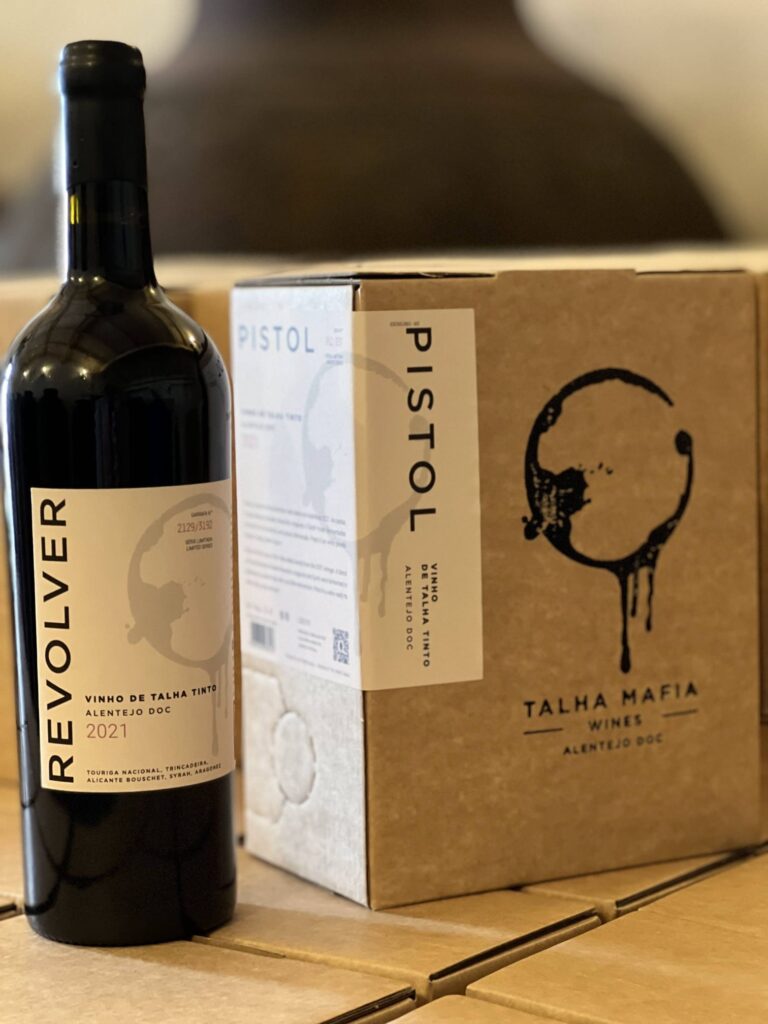
My personal favourite is the award-winning ‘revolver red’. This unique red, with its aroma of wild fruits, currants and wild pine, is a juicy red, made up of Touriga Nacional, Alicante Bouschet, Aragonez, Syrah and Trincadeira grapes. I enjoyed it with an appetising venison dish accompanied by dauphinoise potatoes.
Last on the list, and unfortunately one I have yet to try, is the ‘rifle red’. The wine has been heralded as ‘the best talha wine in a box’. This wine is promoted as ‘your one a day’, a premium natural wine that keeps up to 45 days once opened. Ideal for parties and that one-a-day glass at home. Made naturally in the talha, it has the aroma of dark berries and spice.
The area is unique in that the same traditions observed by the Romans are still practised today. The vines are hand-harvested, with minimal intervention and no industrial processes. The fermentation takes place organically in the traditional clay talhas. Having started out with just one, they have increased production to a dozen talha wines. The ancient amphoras were referred to as the ‘mother’, often depicting images of goddesses and powerful women, which further symbolised motherhood and fertility.
The wine collection itself encompasses indigenous grapes, taken from their favourite neighbours’ vines in Vila da Frades. The amphoras each have their own names and are dedicated to the ancient 12, showcasing the names of Roman favourites, from Diana, the goddess of hunting, to Felicia, the Latin name for happy, which was bestowed upon Roman girls, who brought joy to those around them.
Tradition dictates that the vats are opened on 11November, St. Martin’s Day, which is celebrated with the whole community coming together to support one another.
In early December, the festival Vitifrades is held in Vila de Frades, celebrating Vinho da Talha (amphora wine), a millennia-old Roman tradition that has made Vila de Frades the capital of talha wine. This event, which brings wine enthusiasts from far and wide together, is a must-visit for anyone with a passion for wine. I for one, can’t wait to put this event on this year’s to-do list and embrace newfound passions. And as my birthday is in December, what better excuse could I possibly have?
David Woodward is the author of Confessions of a Waiter.