
Do you know the difference between the two law enforcement agencies that police the Algarve – the GNR and the PSP? Until I met Captain Tiago Silva, I had no idea.
Policing the western Algarve is a complicated task. It encompasses a complex tapestry of landscapes, from crowded coastal regions to less populated countryside and the rolling hills of Monchique. For many visitors and expats, the GNR is often a visible but perhaps misunderstood presence. We see them on the EN125, at local festas, or patrolling the cliff tops. But who are the people behind the uniform, and how does a security force with military status respond to the needs of a modern, diverse and international community, with a population that fluctuates dramatically between seasons?
The changing face of policing
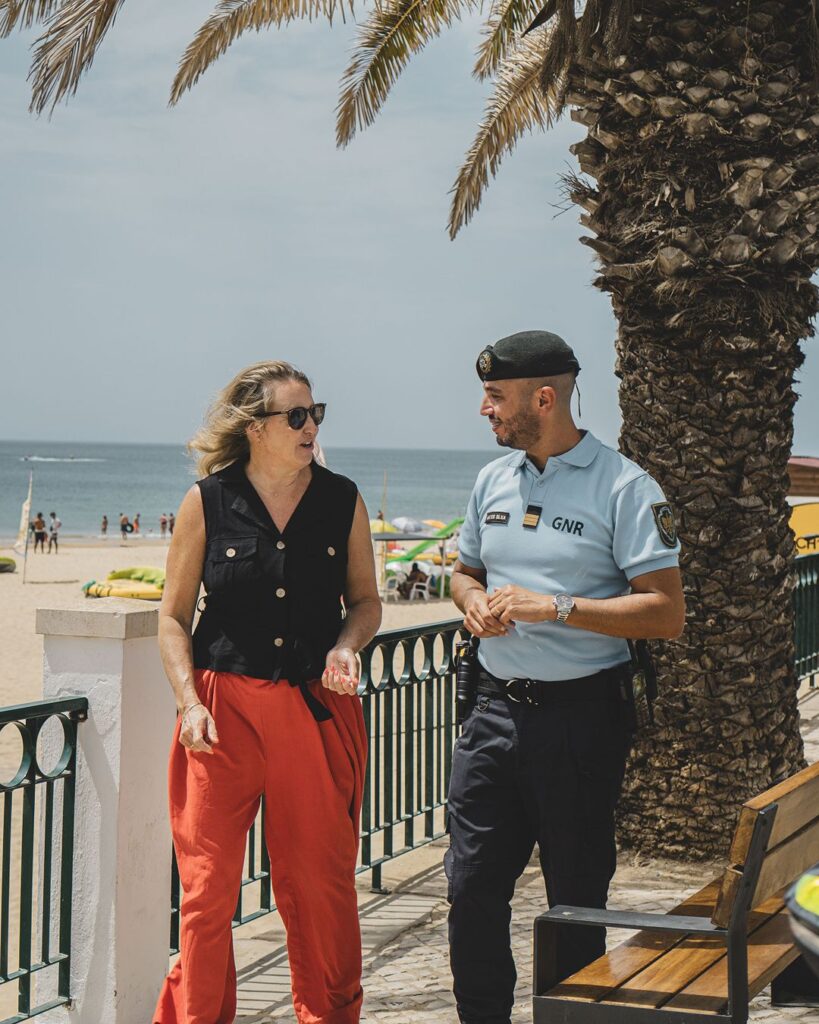
At the heart of this operation is Captain Tiago Silva, Commander of the Portimão Territorial Detachment of the Guarda Nacional Republicana (GNR). At only 32, he is responsible for the GNR’s territorial policing across the municipalities of Portimão, Lagos, Monchique, Aljezur and Vila do Bispo.
Captain Silva is quite different from what you might expect. Firstly, he looks very young. He laughs: “I joined the military at 19, so I do not feel very young.” Secondly, he is remarkably approachable and open, making it easy, as we talk, to forget the considerable responsibility that comes with his role. Perhaps this open leadership style reflects the growing emphasis on proximity policing within the modern GNR.
He begins by showing me around the GNR station in Lagos, located near the new Continente in Chinicato. Walking through the reception area, where a member of the GNR is speaking with two members of the public while answering phone calls, he shows me the offices used by the station’s 23 personnel (1 sergeant and 22 guards). One of the walls is decorated with children’s hand-drawn pictures from visits to the station, a small but telling reflection of the GNR’s relationship with the local community.
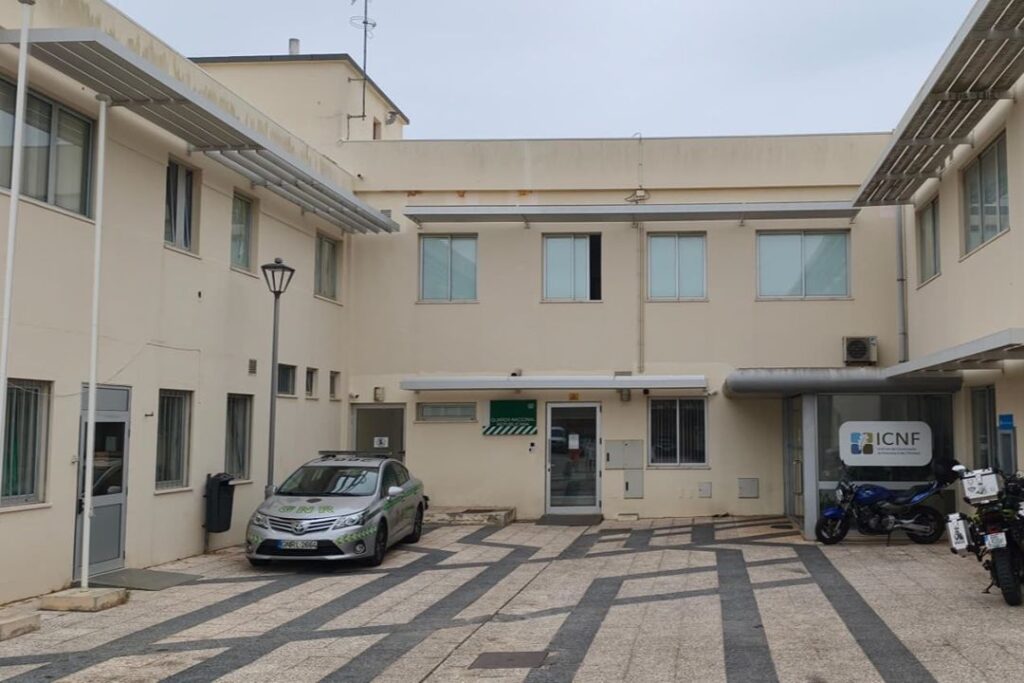
He then shows me the area being prepared for the monitoring centre for the new CCTV system being installed in Lagos. Captain Silva explains that the system will not depend on someone sitting in front of the screens watching every camera 24 hours a day. Instead, it uses intelligent alerting functions designed to identify unusual situations and draw attention to events that may require intervention. Recorded footage can also be reviewed following the commission of a crime or other relevant incident, helping investigators reconstruct events and, where possible, identify those responsible.
There has been a noticeable evolution in the way the western Algarve community interacts with the GNR. Today, increasing emphasis is placed on prevention, proximity and public service, alongside the GNR’s traditional law-enforcement responsibilities.
“We see it every day,” notes Captain Silva. “People increasingly approach the GNR not only to report a crime, but also to seek guidance, clarify doubts, flag situations of vulnerability or ask for support with everyday concerns.”
Navigating the system: GNR vs PSP
My first question is to clarify something I have often wondered about: what is the difference between the PSP and the GNR? Captain Tiago leads me to a map on his wall showing the territory under his command. For many international residents and visitors in the Algarve, knowing which force is responsible for a particular area can sometimes be confusing.
One of the key differences lies in the nature of the two forces and in how their territorial responsibilities are distributed. The Polícia de Segurança Pública (PSP) is a civilian security force whose activity is predominantly concentrated in urban centres. The Guarda Nacional Republicana (GNR), by contrast, is a security force of a military nature that carries out territorial policing across a significant part of Portugal, including rural, peri-urban, coastal, road and forest areas.
Both are part of Portugal’s Internal Security System and work in a complementary manner, sharing the same fundamental purpose of protecting citizens and ensuring public safety.
The GNR’s mission is extensive. Alongside territorial policing and crime prevention, its responsibilities include criminal investigation, road traffic enforcement, nature and environmental protection, security at major events, protection and rescue, community policing and support for vulnerable members of the population. Its specialist activities include programmes such as Safe School, environmental protection through the Nature and Environmental Protection Service (SEPNA), and criminal investigation through units such as the Portimão Criminal Investigation Unit (NIC).
Another defining characteristic of the GNR is its military status. Training is provided through the Escola da Guarda, headquartered in Queluz, with training centres also in Portalegre and Figueira da Foz. Its training combines military, legal, technical and professional preparation for the wide range of responsibilities carried out by GNR personnel.
That range is particularly evident in the western Algarve. In areas such as Portimão and Lagos, policing must respond to intense tourism and significant seasonal increases in population. In Monchique, the environment is predominantly rural and forested, bringing different challenges, including fire prevention and support for people living in isolated areas. Further west, in Aljezur and Vila do Bispo, policing also extends across a vast coastline and environmentally protected areas that attract large numbers of visitors throughout the year.
These very different environments illustrate the breadth of the GNR’s mission and the need to adapt its policing to the characteristics of each community and territory, while maintaining a clear command structure and the capacity to deploy resources according to operational needs.
The architect of regional security
Captain Silva does not simply manage a police force; he coordinates a complex and diverse mission across a large part of the western Algarve. When I ask him what the most challenging aspect of his role is, he says: “One of the continual challenges is allocating the available resources effectively across such a large and diverse area. With six Territorial Posts, we have to plan carefully to maximise our patrol presence, ensure an appropriate geographical distribution and, at the same time, keep our personnel motivated.”
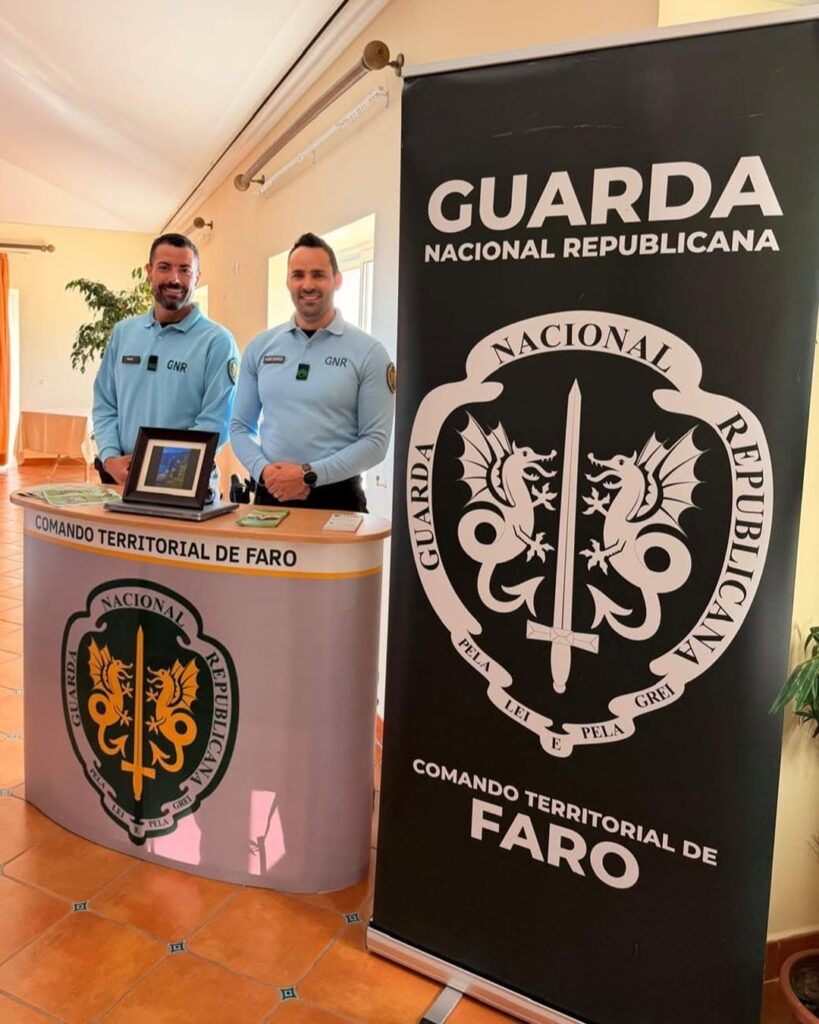
The Portimão Territorial Detachment comprises six Territorial Posts (Portimão, Lagos, Monchique, Vila do Bispo, Aljezur and Odeceixe) and forms part of the GNR’s Faro Territorial Command. Cooperation with local authorities can also provide additional support to policing. In Lagos, for example, the municipality has provided a new patrol vehicle to the Lagos Territorial Post, free of charge and on a temporary loan basis, under a cooperation agreement with the GNR.
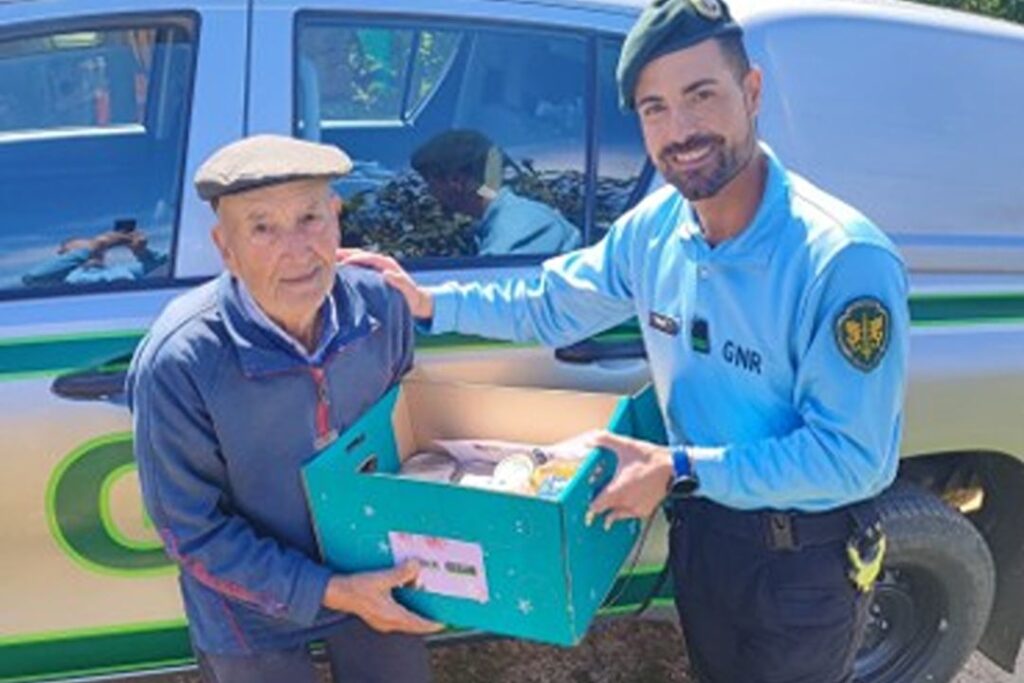
Perhaps one of the most human aspects of the GNR’s mission is its work with vulnerable members of the community. Captain Silva shows me photographs of GNR personnel delivering essential goods to elderly residents in Lagos, as part of a cooperation programme with Pingo Doce aimed at supporting people identified as particularly vulnerable. “Sometimes it can be as simple as sitting down for a coffee with an elderly person who lives alone,” he explains. “There does not have to be a crime involved. Sometimes what matters most is being present, listening to them and making sure they know they are not alone”.
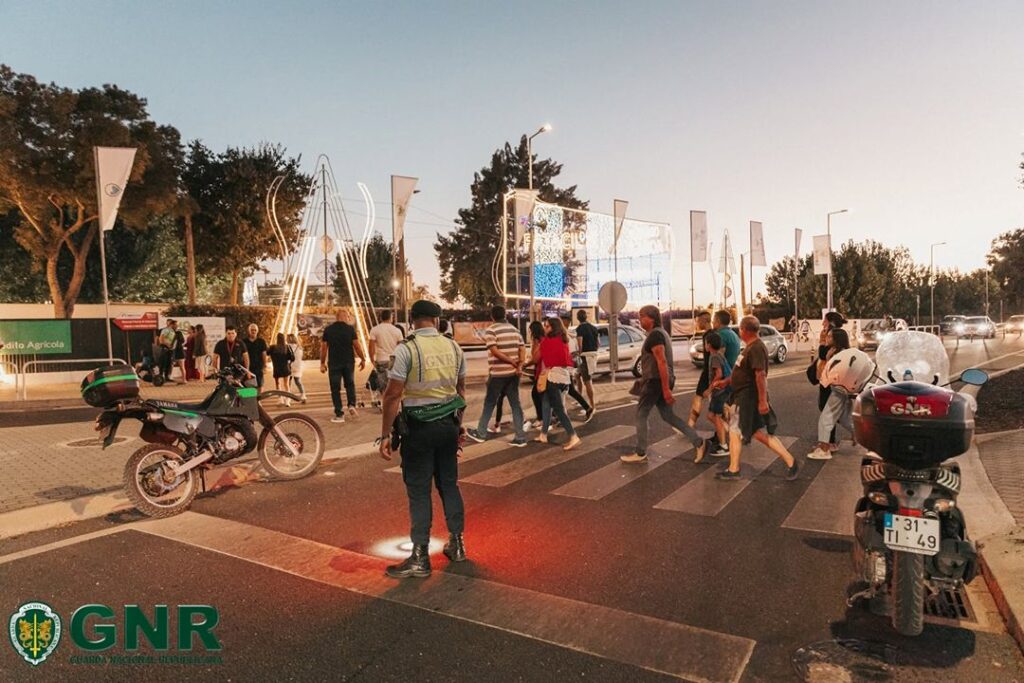
Road policing is another major part of the GNR’s mission, with the force responsible for around 94% of Portuguese territory and 98% of the country’s road network. In April 2026, the Government announced the return of the GNR’s specialised Traffic Brigade, almost two decades after its abolition. The measure is being implemented through a reorganisation of the National Traffic Unit (UNT), inspired by the former Brigada de Trânsito, bringing the existing Traffic Detachments under a more unified national technical and operational command.
The man behind the mission
Captain Silva is a graduate of the Military Academy, where he completed an Integrated Master’s Degree in Military Sciences, specialising in Security. He later added a Bachelor’s Degree in Management, with a minor in Business Management, from Universidade Aberta, bringing a management perspective to his military and security background.
Before taking command in Portimão in October 2025, Silva served first as Deputy Commander and later as Commander of the Silves Territorial Detachment. He has also worked as an instructor in Civil Aviation Security and Expandable Baton courses. When I admit that I have always found the sight of armed GNR personnel slightly intimidating, he explains that carrying a firearm should not be confused with routinely using one. “Our use-of-force model is progressive and always guided by necessity, proportionality and the circumstances we face. It ranges from the presence of a uniformed officer and verbal communication, through physical control and intermediate means, to police batons. Firearms are the highest level and always a last resort, used only in the circumstances strictly provided for by law, particularly where there is an imminent threat to life or of serious injury.”
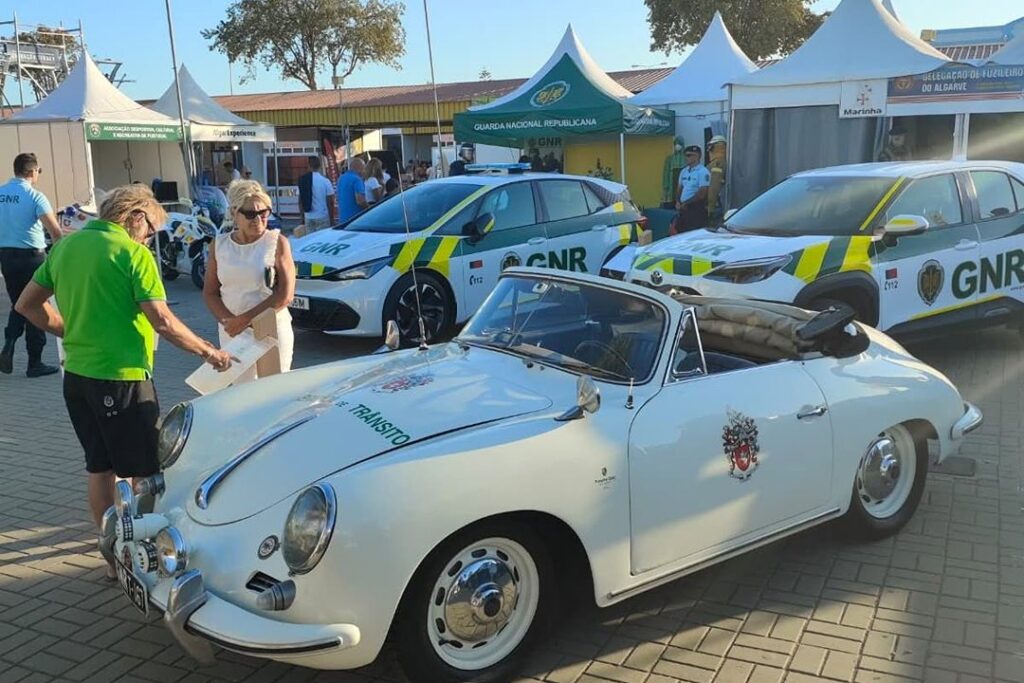
Captain Silva’s experience also includes planning and commanding major regional events such as the Silves Medieval Festival, FATACIL and Carvoeiro Black & White, as well as involvement in previous editions of Formula 1, MotoGP and the World Superbike Championship held at the Algarve International Circuit. With Formula 1 returning in 2027, he is already involved in forward planning aimed at improving traffic flow, including the use of designated parking areas, shuttle buses and drones to monitor traffic. Some of these measures will first be tested during the MotoGP in November.
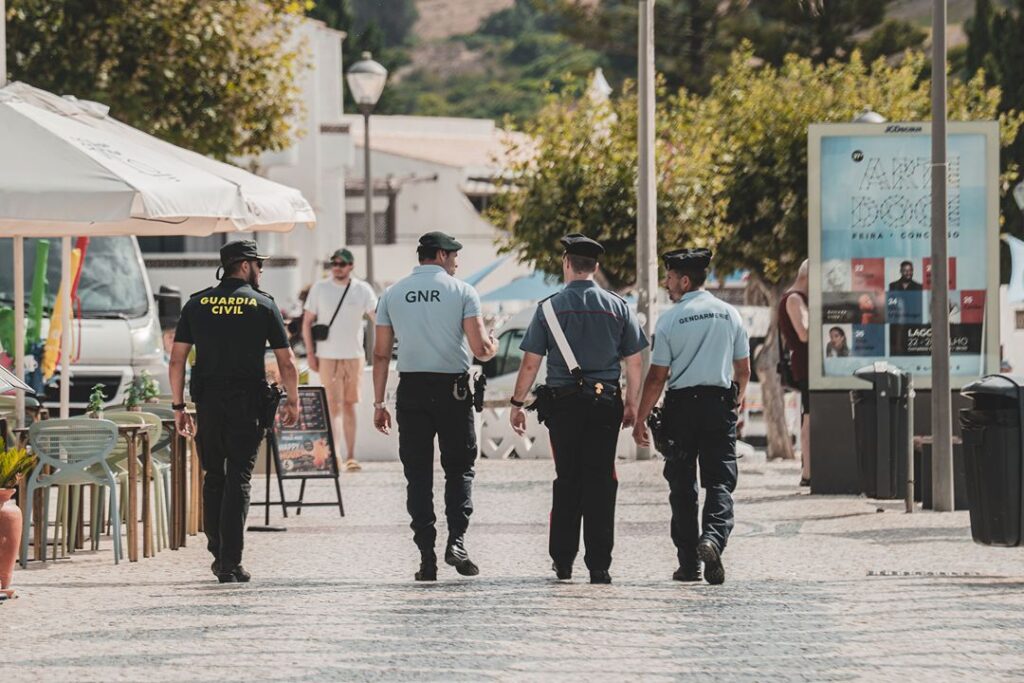
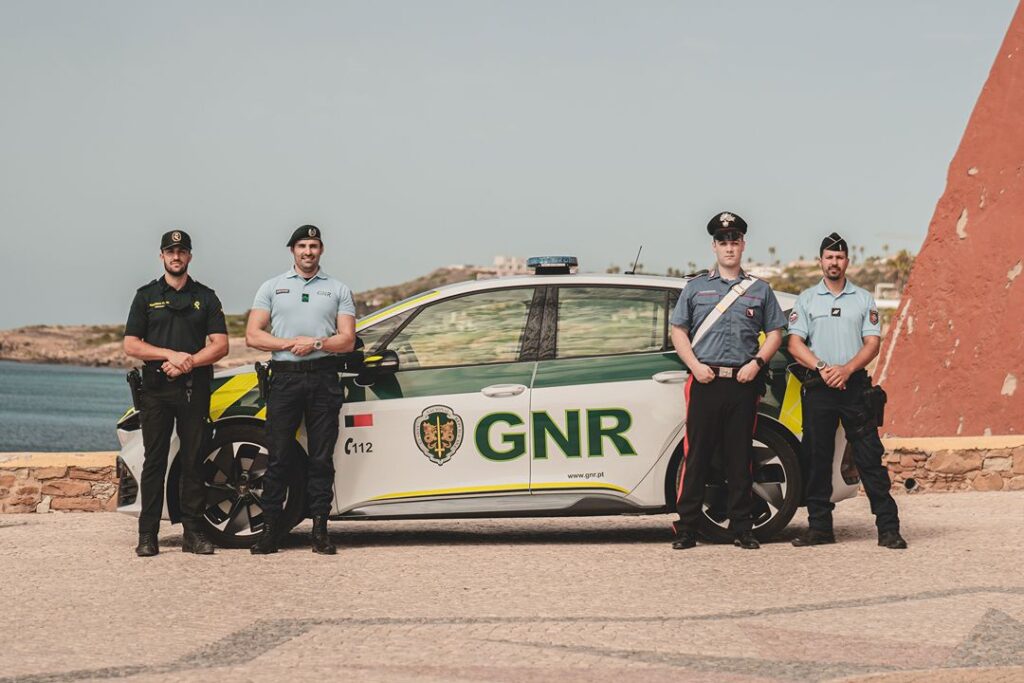
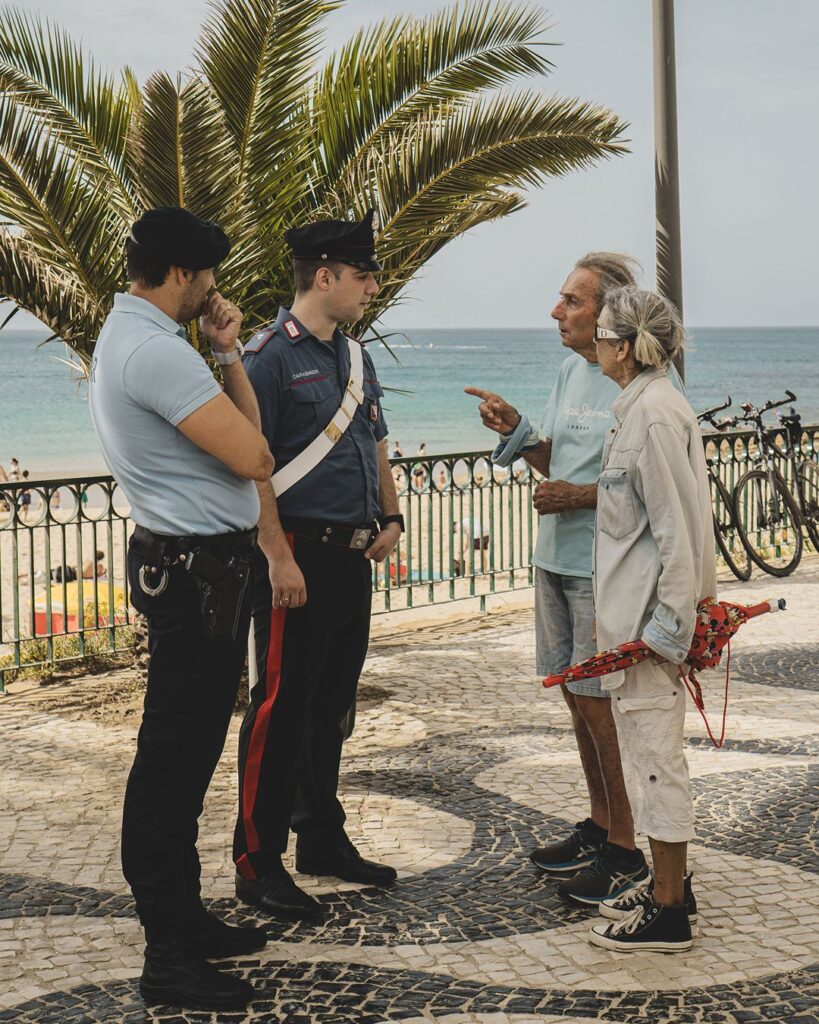
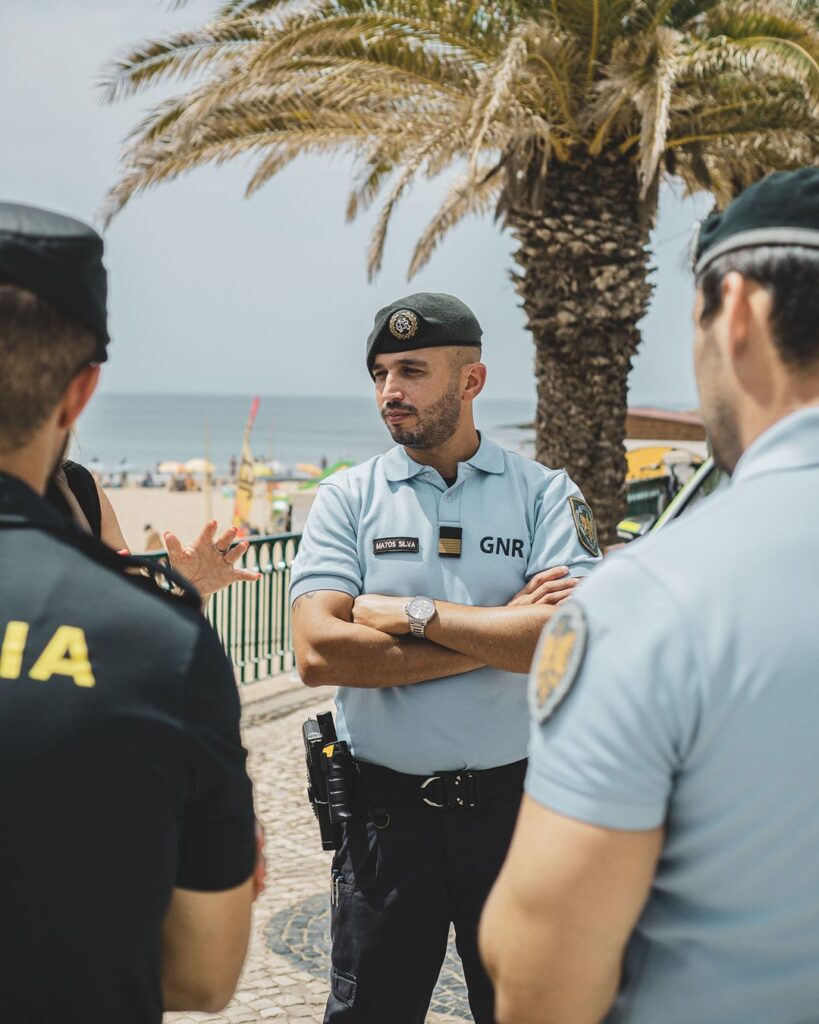
To illustrate another side of the GNR’s work, Captain Silva invites me to accompany him to Praia da Luz, where we meet members of Spain’s Guardia Civil, the French Gendarmerie and the Italian Carabinieri taking part in a European cooperation initiative. “It is very valuable to exchange experiences with officers from other countries, to understand how their forces are organised and how they work in areas facing similar challenges,” he explains. “Their presence also creates a connection with tourists and foreign residents. An Italian visitor who sees a Carabiniere, for example, will often stop and talk to them, and seeing a police force they recognise from their own country can also make them feel more secure. It is another way of bringing policing closer to the people.”
The modern face of crime: from digital to drugs
As our lives move increasingly online, so does the nature of criminal activity. While traditional crime remains a priority, Captain Silva points to the growing importance of offences committed through digital means, particularly online fraud and scams.
The 2025 data shows a region that remains relatively stable while its vulnerabilities continue to evolve. Property crime fell by 0.7%, while violent and serious crime decreased by 3.4%. Fraud also fell significantly, by 7.8%, with fraud involving the purchase or rental of property decreasing by 5.6%.
“The reduction is encouraging and greater public awareness plays an important role, but we cannot become complacent,” says Captain Silva. “Fraudsters are constantly adapting their methods and making fraudulent approaches increasingly convincing, which is why prevention and public awareness remain so important.”
At the time of my meeting with Captain Silva, recent operations along the western Algarve coast had also drawn attention to the growing challenge of organised crime using maritime routes. A recent GNR operation in Vila do Bispo, around Praia da Ingrina and Boca do Rio, resulted in the seizure of a semi-rigid boat, five vehicles and more than 10,000 litres of fuel believed to be connected to illicit maritime activity.
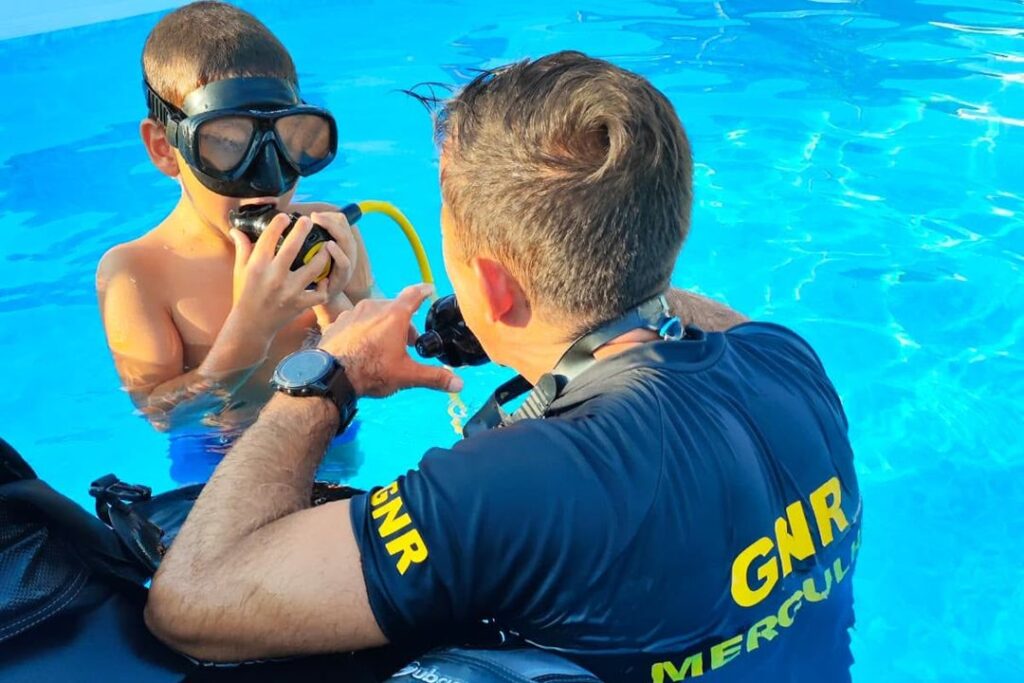
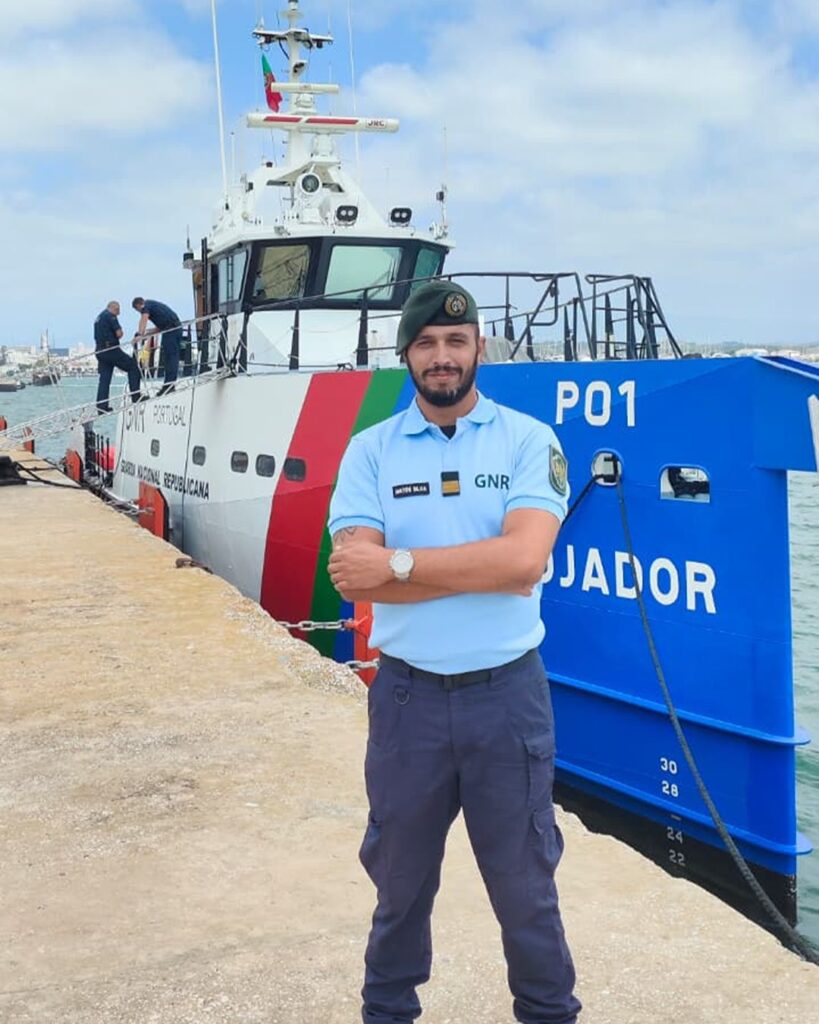
The scale and variety of recent operations illustrate the challenge faced by the GNR’s Coastal and Border Control Unit (UCCF). In Olhão, officers seized more than three tonnes of cocaine following the detection of a suspicious high-speed vessel. In Albufeira, another operation resulted in the seizure of a semi-rigid boat, five vehicles and 247 fuel containers.
Further west, in Aljezur, GNR personnel interrupted an operation involving a high-speed vessel and vehicles on land, resulting in three arrests and the seizure of 56 bales of hashish, around 3,000 litres of fuel and two vehicles. Together, these operations underscore the ongoing importance of coastal surveillance and cooperation between specialised units in combating organised crime via maritime routes.
The beating heart of the community
This balance between responsive policing and proactive proximity is at the heart of Captain Silva’s command. Whether it is managing the security of a major international event or ensuring that an elderly resident living in an isolated area feels safe, the underlying mission remains the same: protecting people and preserving the peace and security of the Algarve.
Captain Silva’s message to the international community is clear: “Safety in the Algarve is not something we simply provide to the public; it is something we build together. Through prevention, proximity, open communication and daily cooperation between the GNR and the community, we can strengthen both security and people’s sense of safety.”
To conclude, the GNR badge represents more than law enforcement. In the hands of leaders like Captain Tiago Silva, it represents a commitment to the heartbeat of the Algarve – its safety, its diversity and its enduring sense of community.
Main photo: Sophie Sadler with Captain Silva and military police from Spain, France and Italy © @JonyzFG
Shared responsibility: the Safe Algarve checklist
Safety is a shared responsibility. Captain Silva emphasises that the Algarve is a safe region, but maintaining that sense of security also depends on preventive behaviour by residents, visitors and tourists.
Vehicle and Home Security
- Many thefts from vehicles are crimes of opportunity.
The Golden Rule
- Never leave valuables – purses, laptops or other personal belongings – visible inside your car, even for a short period, particularly in busy tourist areas and beach car parks.
Digital Discretion
- Avoid advertising periods when your home is empty. Posting holiday updates in real time on social media can unintentionally reveal that you are away. Make sure doors and windows are properly secured and, where possible, keep in contact with neighbours or someone you trust.
Digital Hygiene
- Online fraud and fraudulent messages require particular attention.
- Be cautious of unexpected SMS, email or social media messages asking for payments, bank transfers or personal information.
- Treat investment opportunities with caution and verify them through official or trusted channels before transferring money.
Road Safety on the EN125 and A22
- The Algarve’s high levels of road mobility require particular care.
- Never drive under the influence of alcohol or drugs and always respect speed limits.
- Avoid using a mobile phone while driving.
- Always wear a seatbelt and ensure children use an appropriate restraint system.
Your safety toolkit
Keep these essential contacts at hand while travelling or living in Portugal.
Emergency Services
112
For emergencies requiring immediate police, medical or fire-service assistance
Home Medical Support
210 056 799
For non-emergencies requiring medical assistance at home
ACP Assistance
215 915 915
24h/365 roadside and travel assistance through the Automóvel Club de Portugal
Did you know?
The GNR’s Coastal and Border Control Unit (UCCF) manages and operates the Integrated Surveillance, Command and Control System (SIVICC), which provides continuous surveillance along the Portuguese coastline and supports the detection and monitoring of suspicious maritime activity.
Its operational importance has been demonstrated repeatedly. In recent operations along the Algarve coast, SIVICC detections of high-speed vessels have triggered the deployment of land, maritime and aerial resources in locations including Albufeira, Olhão and Vila do Bispo. These operations have contributed to major seizures ranging from vessels, vehicles and large quantities of fuel to more than three tonnes of cocaine.
Rather than operating in isolation, SIVICC forms part of a wider coastal surveillance and response capability, helping the GNR coordinate specialised resources and react quickly to suspicious activity detected at sea and along the coastline.
Vision Zero 2030
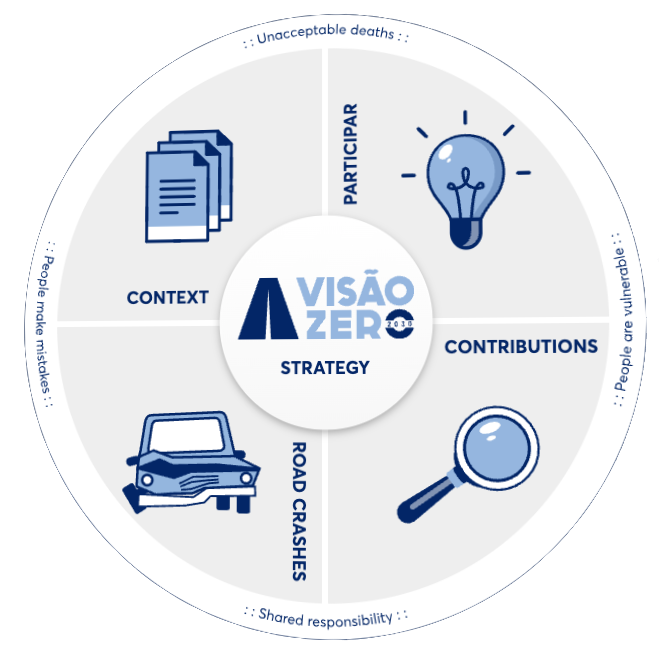
In June 2026, the Portuguese Government approved, for public consultation, the National Road Safety Strategy – Vision Zero 2030. Its targets are to reduce road deaths and serious injuries by 50% by 2030, compared with 2019, and achieve zero deaths and serious injuries by 2050.
Smarter speed enforcement
Average-speed enforcement is already part of Portugal’s National Speed Control System (SINCRO). Rather than measuring a vehicle’s speed at a single point, these systems calculate its average speed over a defined section of road.
The return of specialised GNR traffic policing
In April 2026, the Government announced the return of the GNR’s specialised Traffic Brigade. Within the GNR, the reform is being implemented through a reorganisation of the National Traffic Unit (UNT) along the lines of the former Brigada de Trânsito.
Smarter road infrastructure
The MATIS I project supports the development of Intelligent Transport Systems, designed to improve the collection and sharing of road information, traffic management and the capacity to respond to incidents.
The common goal
The most important element remains the behaviour of every road user – respecting speed limits, avoiding alcohol and drugs, putting the mobile phone aside and using seatbelts and child-restraint systems correctly.