At a four-hectare quinta near Alcalar, animals, art, music and nature are coming together in an ambitious project built around connection and care.
The road to Quinta do Sagrado Coração winds through the countryside around Alcalar, past cork oaks and olive trees under the hot Algarve sun. With the window open, I can smell dry vegetation and warm earth, while ahead lies a four-hectare quinta where nature is not simply the setting, but part of the work.
It is a particularly windy day, with dust sweeping across the land as Aurora welcomes me. Soft-spoken, calm and warm, she talks about what has already been achieved, although her enthusiasm is firmly fixed on what could still be created here. Her manner is gentle, but there is nothing tentative about her ambition for the project.
As we walk, I notice something else: the animals are never spoken about as accessories. She knows their personalities and needs, and the language of care she uses for them is remarkably similar to that she uses when talking about the people ARTEMIS hopes to support. Whether she is speaking about a vulnerable person or a rescued animal, the same language of attention and care returns, a philosophy Aurora captures in a few words: “Compassion and love for the other.”
ARTEMIS (Associação Recreativo-Cultural de Tradições Ecléticas de Inspiração Solidária) was formally registered on 28 February 2025, bringing together people from fields including literature and Portuguese culture, architecture, music, painting and education. What connects these different disciplines is a belief in biophilia, the idea that humans have a deep affinity with the natural world, alongside a love of animals and a desire to support vulnerable members of the community.
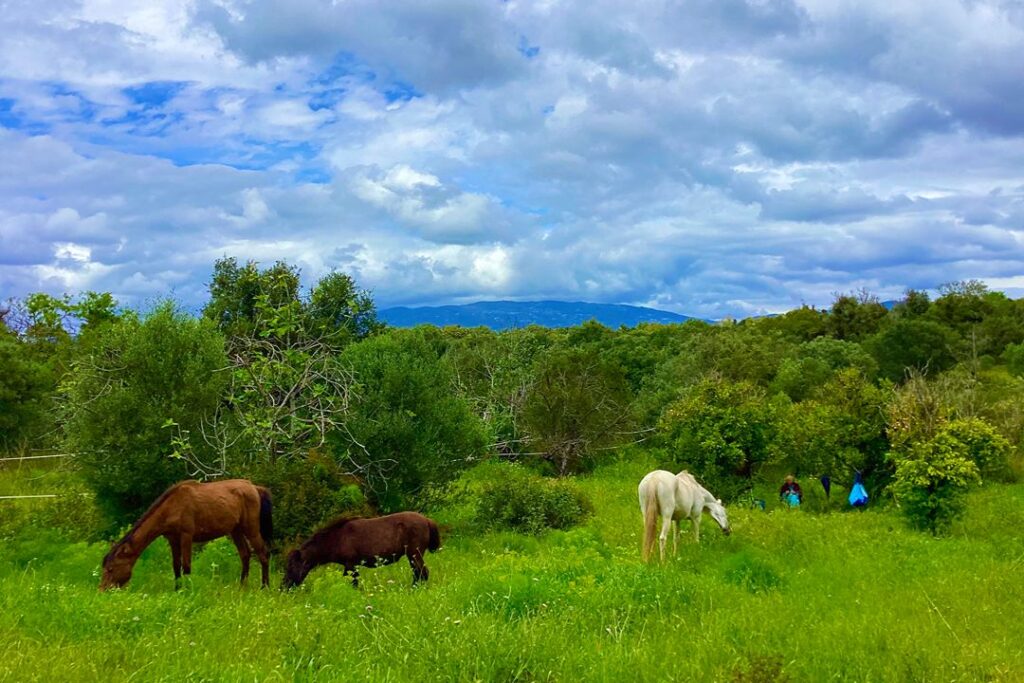
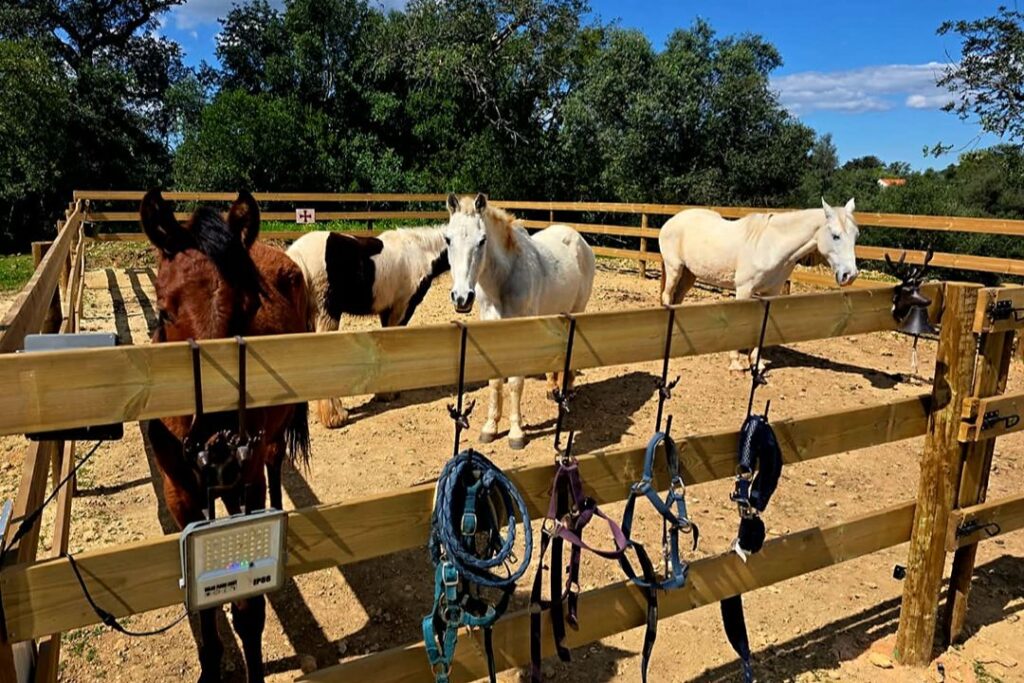
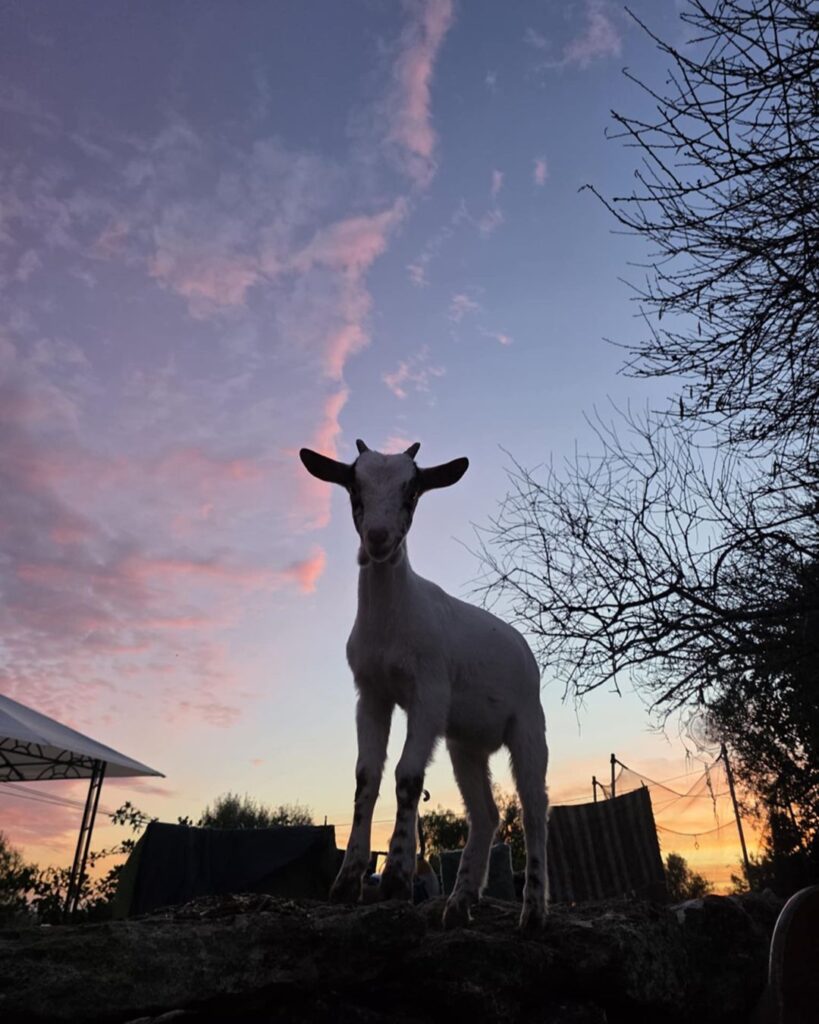
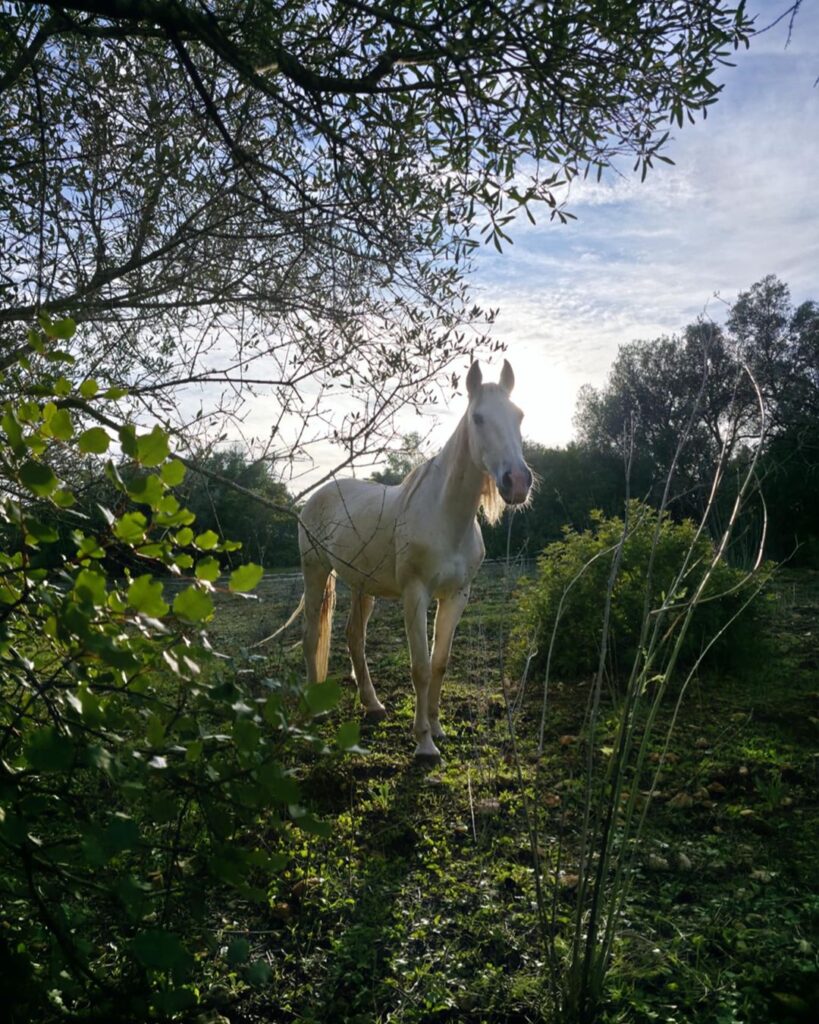
The quinta is home to 81 animals, from horses, ponies, dogs and cats to goats, dwarf rabbits, pigeons, chickens, axolotls and a chinchilla. ARTEMIS regards them as partners in its activities, affectionately referring to them as its “co-therapists”, while some have themselves been rescued. And around them is the wildlife that belongs to the landscape itself: bees, butterflies and wild birds.
I meet the dogs, horses and goats, then hold some tiny dwarf rabbits, three of which had been born only the previous day. There is something disarming about holding a creature born barely a day earlier while talking about human vulnerability, and, for a few moments, our conversation gives way simply to touch and attention.
This idea lies at the heart of TANA (Tempo com Arte, Natureza e Animais), the association’s programme that combines Animal-Assisted Interventions with nature, sensory experiences, music, and artistic expression.
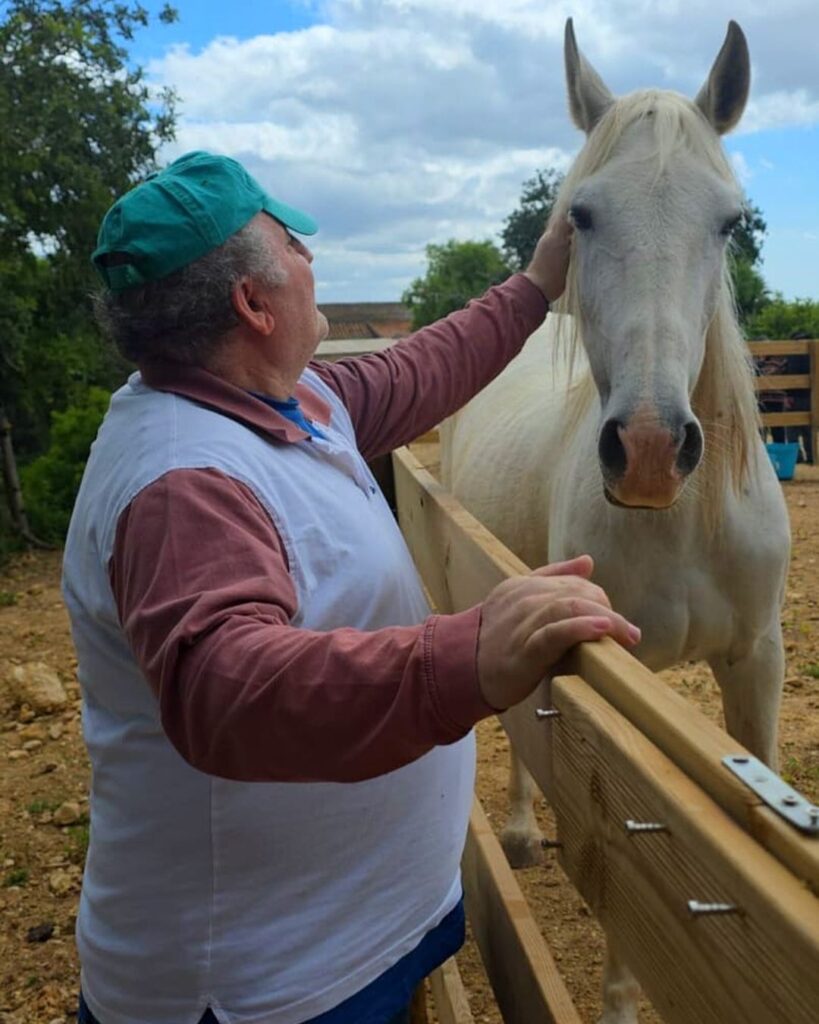
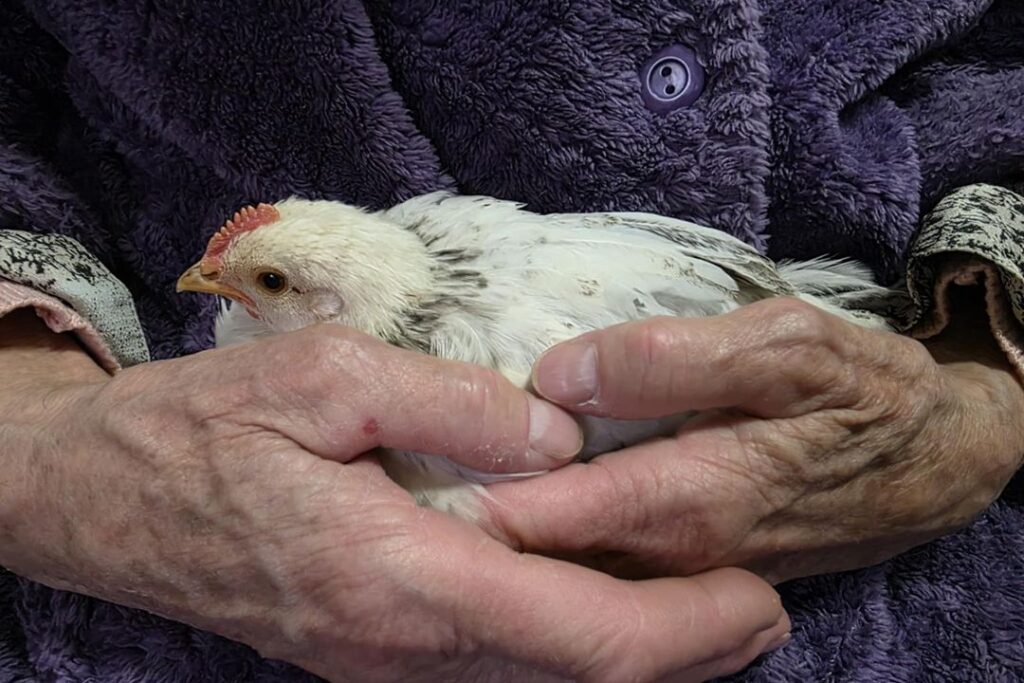
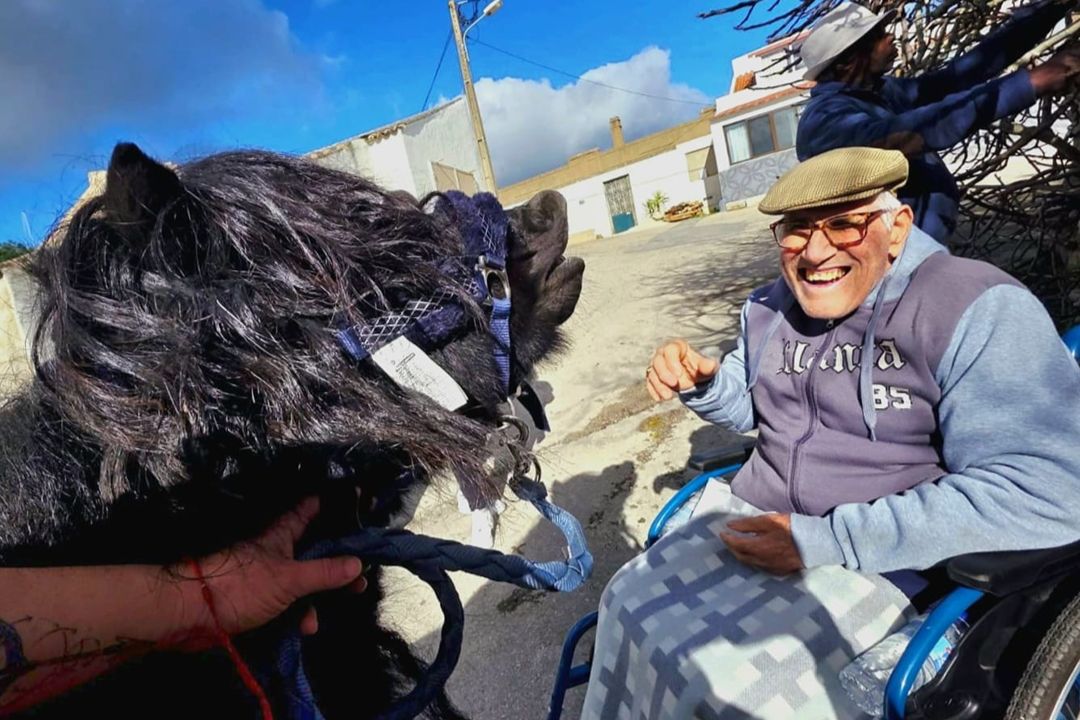
There is no single formula at TANA. A child may connect with a rabbit or somebody else through the vibrations of an instrument, while the scent of an aromatic plant may stir a memory in an older person. Activities are adapted to individuals and groups, including children and young people with additional needs or those experiencing social vulnerability, as well as older people living with dementia and other age-related conditions.
Research increasingly suggests that contact with animals, music and nature can support wellbeing, communication and social connection in some groups, although these approaches complement rather than replace medical or psychological care.
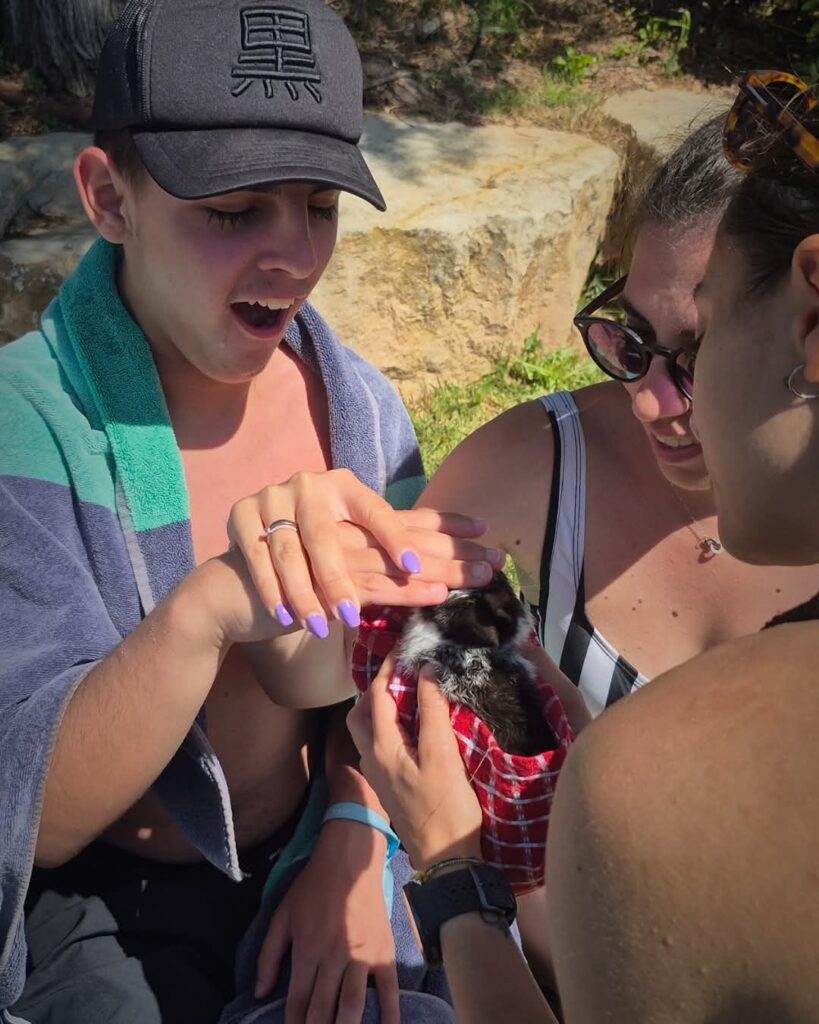
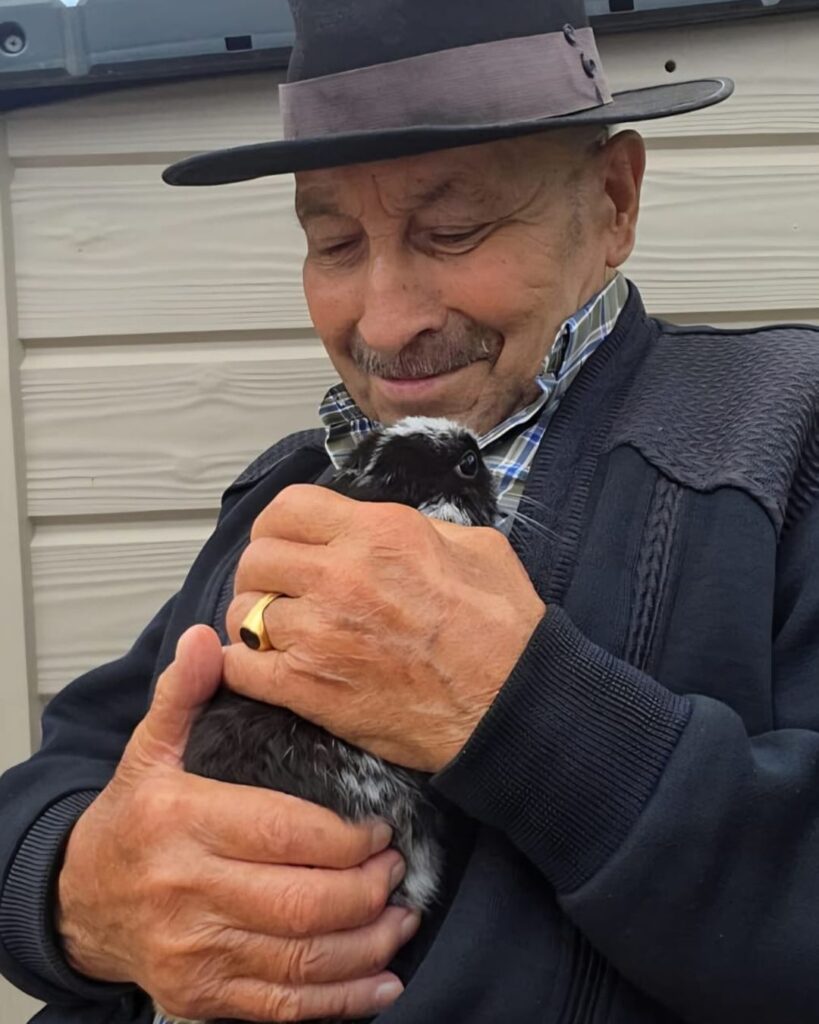
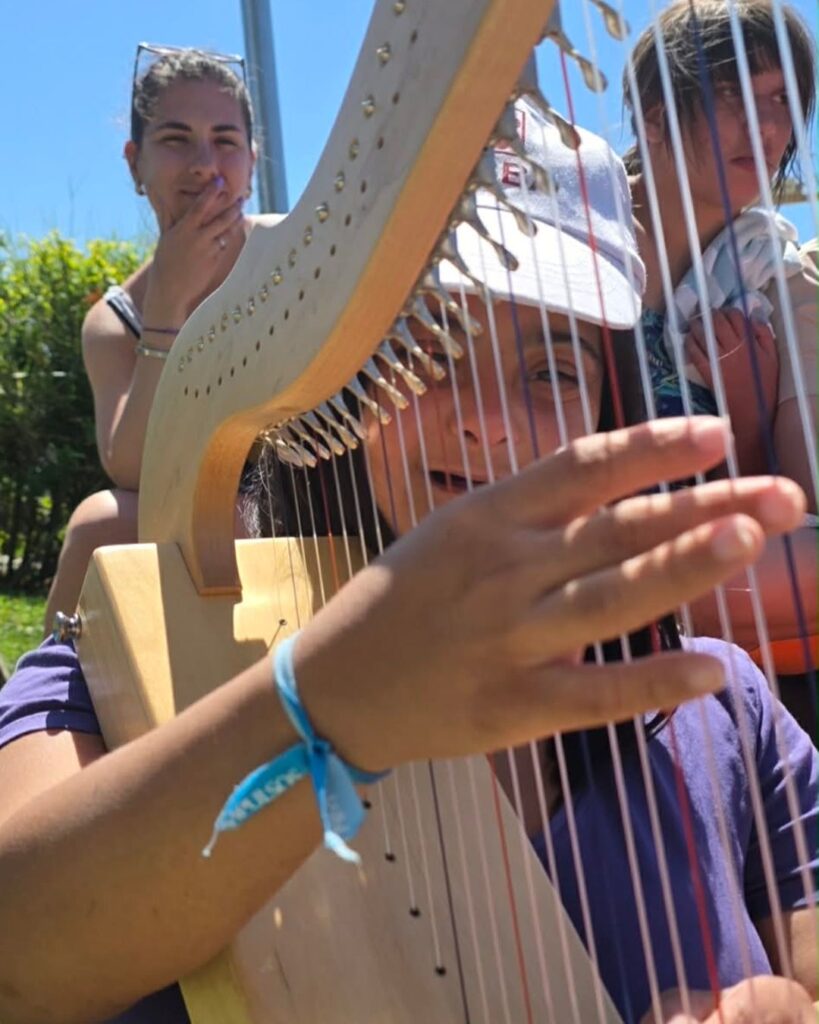
The photographs Aurora shares with me bring this philosophy out of the language of programmes and into human experience. In one, several people gather closely around a small animal, hands meeting gently over its fur, while a young person’s expression shows complete absorption in the encounter. In another, a hand reaches across the strings of a Celtic harp as others watch, while elsewhere a man approaches a horse, his raised hand hovering in that quiet space before touch.
The images need little explanation because what comes through is curiosity, concentration and connection.
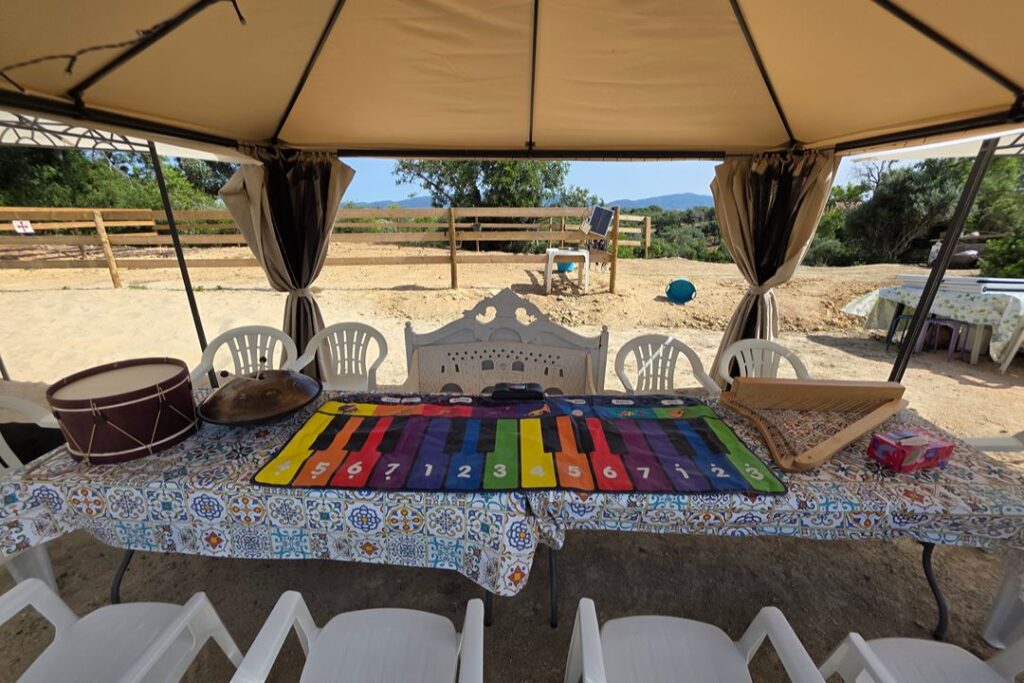
I am invited to explore some of these experiences myself, including an unusual collection of instruments such as percussion, kalimba, flutes, handpan and Celtic harp.
The harp catches me unexpectedly. As my fingers move across the strings, I become aware that I am not simply hearing the music, but feeling it through my fingertips. The handpan brings something different, with rhythm and vibration becoming almost inseparable.
I begin to understand TANA less as something being explained to me and more as something experienced through the body. Its purpose is not performance, but finding different doors through which someone may connect with themselves, another living being, or the world around them.
ARTEMIS is already taking its work beyond the quinta, collaborating with organisations including the Centro Paroquial da Mexilhoeira Grande, Casa de Acolhimento Nossa Senhora do Carmo, APPDA, Teia d’Impulsos and the Algarve delegation of Alzheimer Portugal.
Some groups come to Alcalar, while at other times the team travels with smaller animals, instruments and sensory materials to reach people who cannot easily visit. The hope is to develop these encounters into a regular programme involving schools, special education units, residential homes and other institutions, with an ambition eventually to extend activities into healthcare settings, including continuing care, oncology and palliative care.
Aurora also speaks about the families and informal carers behind many of the people they hope to reach, people who can themselves experience exhaustion and isolation. In her vision, supporting someone who is vulnerable also means recognising those who accompany and care for them every day.
The vision, however, has reached a practical crossroads.
At the time of writing, the association says ARTEMIS had received no external financial or logistical support or donations of materials. The founders have personally funded the preparation of the quinta, from fencing, land clearance and basic facilities to art materials and musical instruments, alongside the continuing costs of feeding and providing veterinary care for the animals.
Aurora is frank about the limits they have reached, explaining that without external support they will not be able to establish regular new activities. They now need patrons and partners who believe in the project, alongside volunteers, donated materials and practical help.
Restoring and developing four hectares requires not only money, but skills, time and willing hands. Their ambition is not simply to organise occasional visits, but to build a sustainable annual programme that can become a regular presence in the lives of people across the Algarve.
As I leave Quinta do Sagrado Coração, the wind is still carrying dust across the land and the smell of warm earth remains in the air. Much has already been created here, but much remains unfinished, a contrast that reveals both the potential of the project and the scale of the work ahead.
I arrived to interview Aurora about ARTEMIS and left with dusty shoes, the memory of newborn rabbits in my hands and the sensation of harp strings lingering in my fingertips. And, unexpectedly, the feeling that I had not simply visited a project, I had been invited into its possibility.