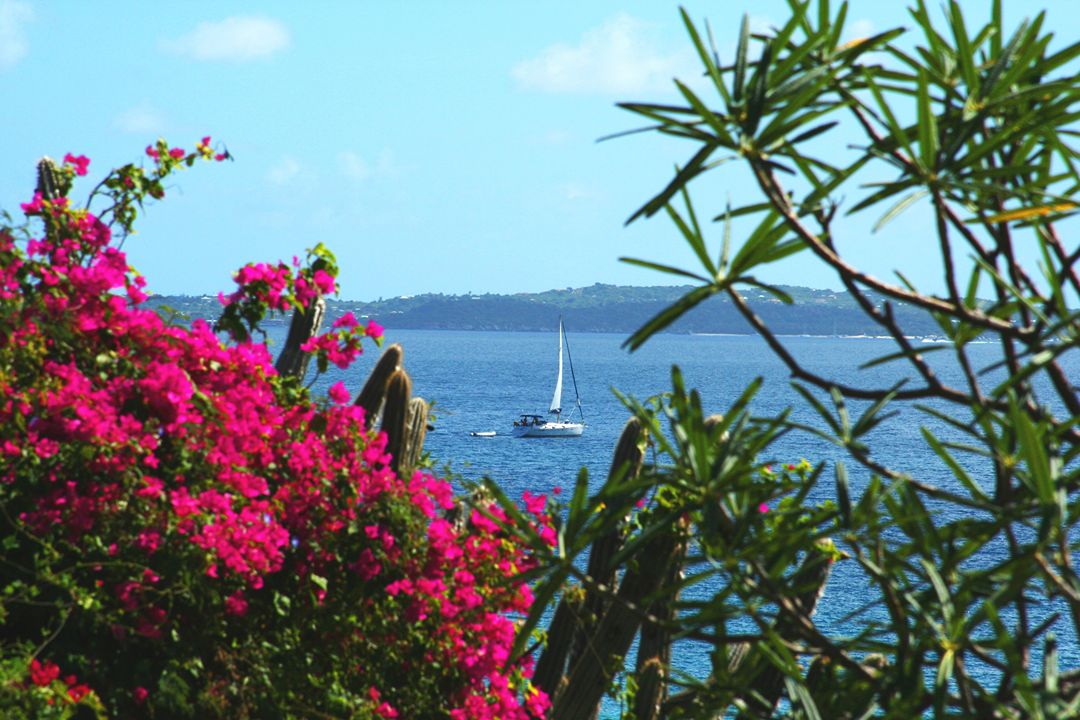
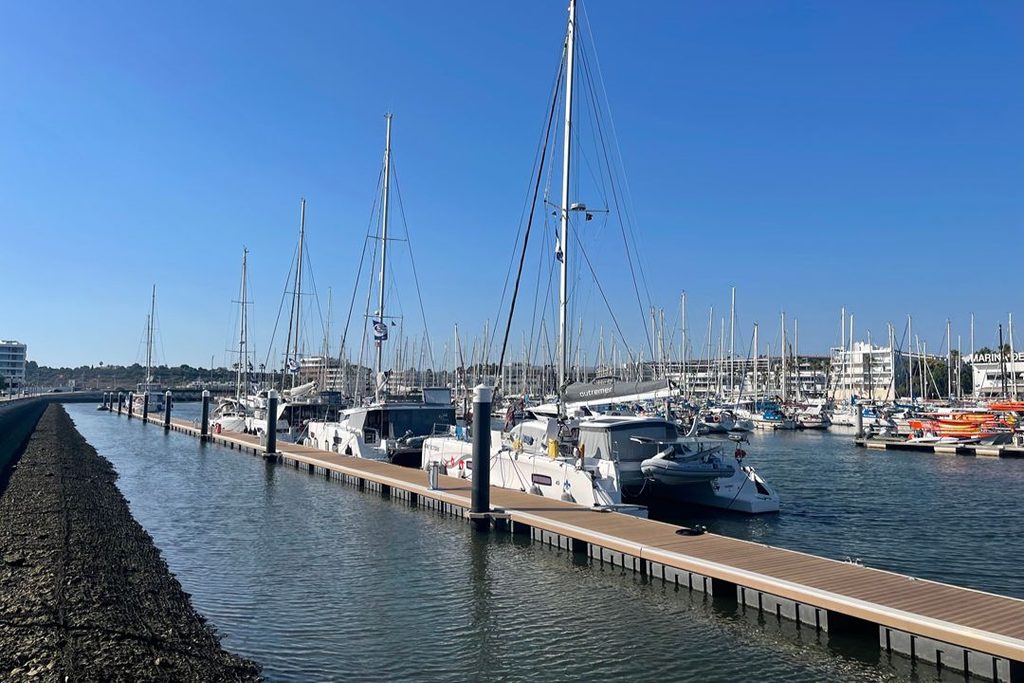
Lagos, the Algarve’s most westerly marina complex and port town, is ideally suited for sailors for several different reasons. Popular for yacht racing and as a cruising yacht respite, the marina is also the final mainland European stop before yachts head to Las Palmas, Gran Canaria and the departure point for the season’s transatlantic yacht rallies. Not only does Lagos have a new marina (open but still expanding) with 100-berth capacity, but it also has a world-class boatyard where all yacht necessities are available before embarking on major offshore voyages.
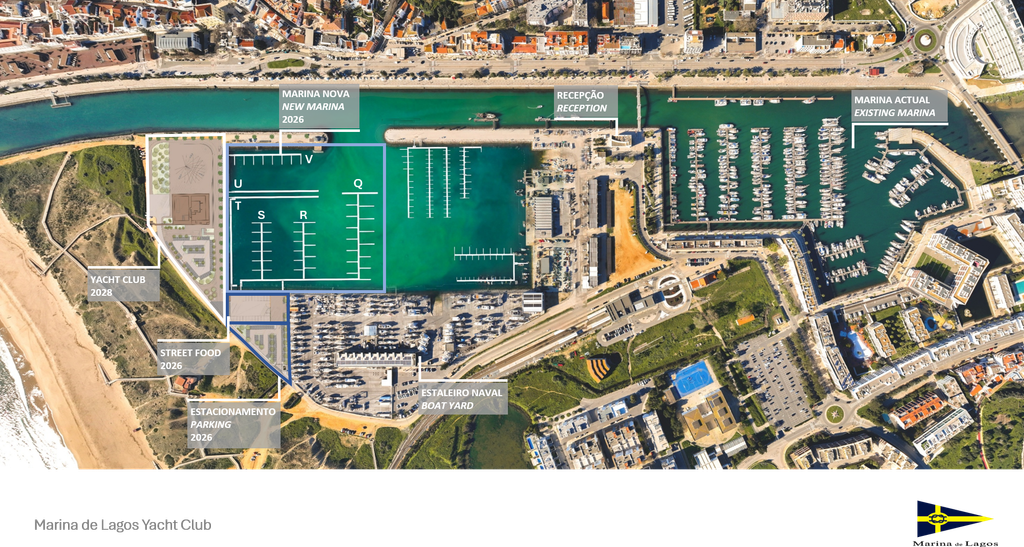
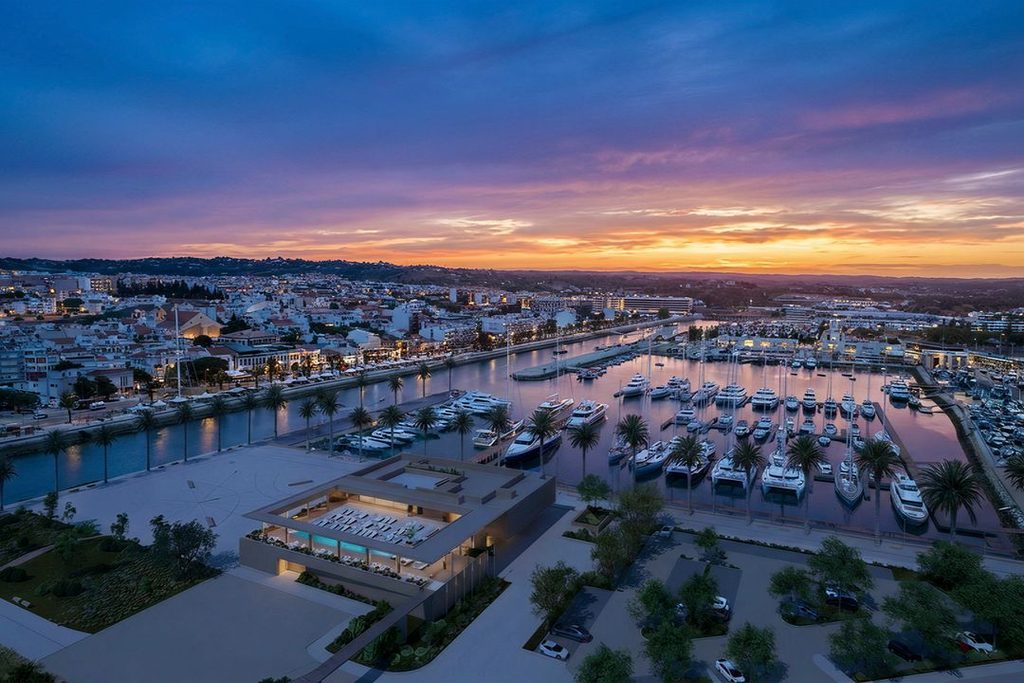
Aerial View of the New Marina
Rallies
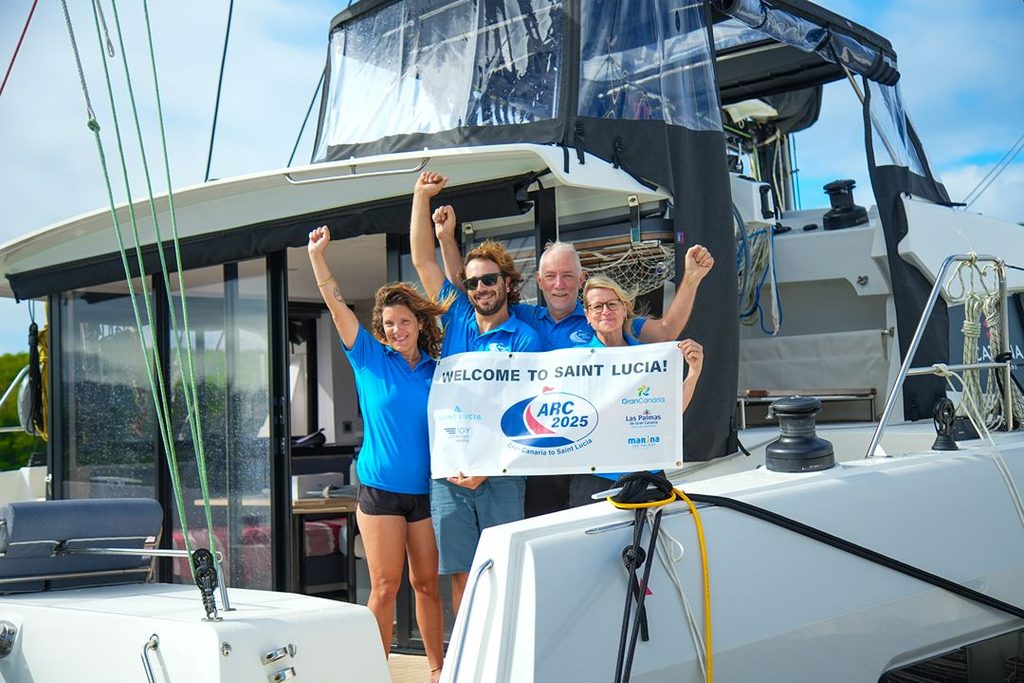
Yacht rallies are becoming more popular every year and Lagos is geographically placed to offer both local and international yachts a jumping-off point for voyaging into the Med and for transatlantic adventures. The Atlantic Rally for Cruisers 2026 (ARC) departs from Gran Canaria on Sunday 22November, with the official prize-giving at Rodney Bay, St Lucia, on Saturday, 19December. The distance is about 2,700 miles. The Eastern Caribbean islands are a paradise for yachtsmen, with constant easterly trade winds, protected anchorages, and palm-lined sandy beaches offering spectacular diving and snorkelling. Add to this the warm and friendly people, a culture of reggae music and rum cocktails, and you have all the makings of an unforgettable experience.
The ARC is a rally and not a conventional yacht race. Boats and crews benefit from organised safety support, weather information, communications and shoreside events. The first ARC rally took place in 1986 and today it attracts a large range of participants from experienced offshore sailors to first-timers. For yachts returning to Europe at the end of the season, there’s another event, Europe 2027 Rally. The rally begins in May from St Maarten and it ends in Lagos, Portugal (for more details, check online). ARC organises other rallies including ARC+ listed in the sidebar.
Cruising
Portugal’s Algarve coast offers exciting cruising. Close to the Lagos marina is Ponta de Piedade, a unique geological formation comprising grottoes and caves and accessible by dinghy. Sagres, an interesting historic town and the southwestern point on Europe’s mainland, is about 18 nautical miles from Lagos. There is no marina here but anchoring in the bay overnight is possible.
East of Lagos are some excellent anchorages and marinas. Alvor offers a protected anchorage; it’s a mecca for kitesurfing. Just a little further east, on the Arade River estuary, is Portimão, with a full-service marina. On the opposite side lies the charming fishing village of Ferragudo; anchoring off the sandy beach, behind the breakwater, is safe and comfortable.
From either Portimão or Ferragudo, you can navigate upstream by small boat to Silves. This historical town was once the capital of the Algarve, with ocean-going caravels loading and unloading cargo before the river became silted up during the 1755 earthquake. It was the centre of poetry, music and learning in the 12th century, and was considered as important as Baghdad. Today its castle and Gothic cathedral are just two worthwhile sites to visit in this enchanting Medieval city. The Arade river is tidal and it’s important to take advantage of the times of ebb and flow.
Cruising east towards Albufeira, you’ll see the limestone cliffs and the Benagil caves, which provide spectacular scenery. The marina at Albufeira is well protected, and offers all the services expected of a long-standing facility. As with all marinas in the Algarve, call for a berth, advice and directions on VHF Ch.9.
On your way to Faro and Olhão, you will pass the town of Vilamoura with its marina complex. It is frequented by million-dollar yachts, fine dining and chic bars. This may not be on the average cruiser’s ‘must-visit’ list, but for a super-luxury occasion, it could well fit the bill.
Both Faro and Olhão are special places to visit, as they provide access to the Rio Formosa National Park. With careful navigation, yachts with a two-metre draft should be able to find safe anchorage off one of the many islands here. The water is tidal but mostly slow-moving. It is generally warmer and good for swimming and yacht careening if bottom cleaning is needed. This area is famous for its aquaculture, particularly oyster farms.
As you head east, the town of Tavira is worth a visit. Care must be taken with regard to the depth, but anchoring inside the breakwater is safe and comfortable. Further to the east is Vila Real de Santo António at the estuary of the River Guadiana. The Guadiana is navigable and a pretty cruise up the river: about 20 nautical miles will bring you to Alcoutim. The town borders both Spain and the Alentejo region and has a history of smuggling adventures. It is described as ‘the Algarve’s best-kept secret’.
As can be seen, Portugal’s Algarve coast, with kind winds and sunny weather, allows for an unparalleled cruising experience.
Racing
In September 2026, a prominent international race made Lagos one of its stopovers. Twenty two-person teams on racing Bénéteaus competed in this event, comprising the fleet of high-performance offshore racing yachts with internationally experienced crews.
Prior to this event, the 35th edition of the Regata dos Portos dos Descobrimentos took place between 10–12 July from Lagos to Palos de la Frontera, Spain. This established international cruising-yacht regatta attracted 24 boats for a crossing of approximately 90 nautical miles between Portugal and Spain. A preliminary race took place in Lagos Bay.
It is likely that more and more racing events will happen in the future, with Lagos bay and the soon-to-be-completed new marina complex being a perfect location.
Main photo: ARC Arriving in the Caribbean
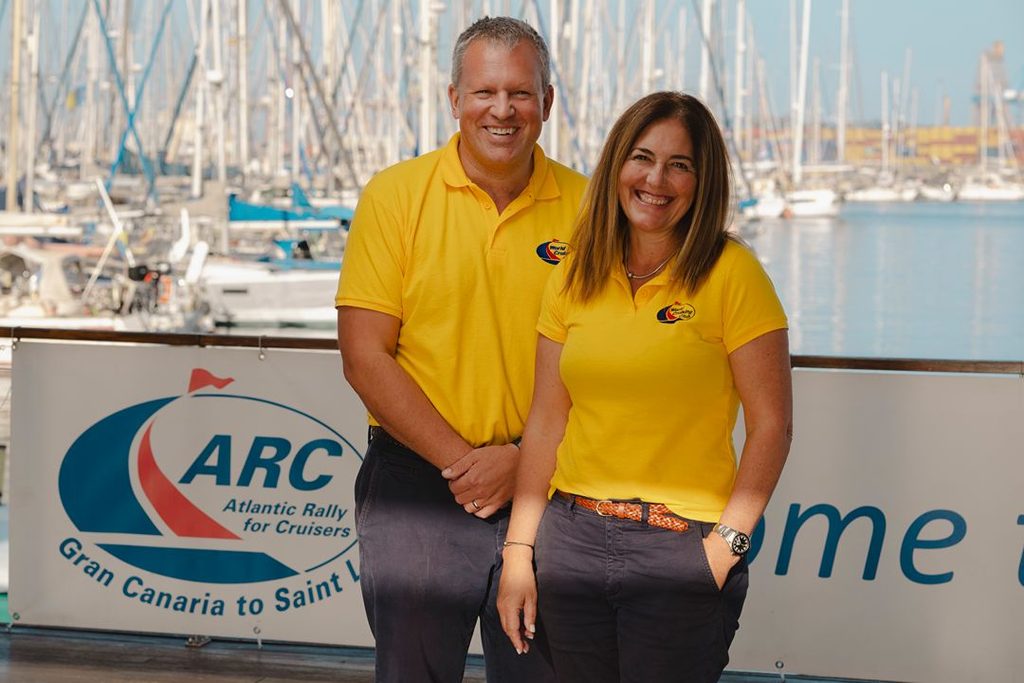
Rallies are organised by the World Cruising Club, Paul Tetlow, Managing Director and Suzana Tetlow, Director of Operations.
ARC from Gran Canaria to Saint Lucia. First run in 1986, it is the world’s most established ocean-going rally.
ARC+ from Gran Canaria to Grenada via Cape Verde. First run in 2013; the fleet size is around 100 hulls.
ARC Europe from Sint Maarten or the US East Coast to Bermuda, then the Azores, finishing in Lagos, Portugal mainland. It first ran in 2000. The fleet is around 30 boats.
World ARC is a 26,000-NM circumnavigation that starts and finishes in the Caribbean. The first World ARC took place in 2008 following the success of the Europa rallies and now runs annually.
ARC Portugal first sailed in 1995; the rally crosses the Bay of Biscay, then daysails down the Portuguese coast to finish in Lagos.
ARC Baltic offers 1,000-NM of stunning cruising through the Baltic Sea. The route starts in Germany and finishes in Bullandö, Sweden.