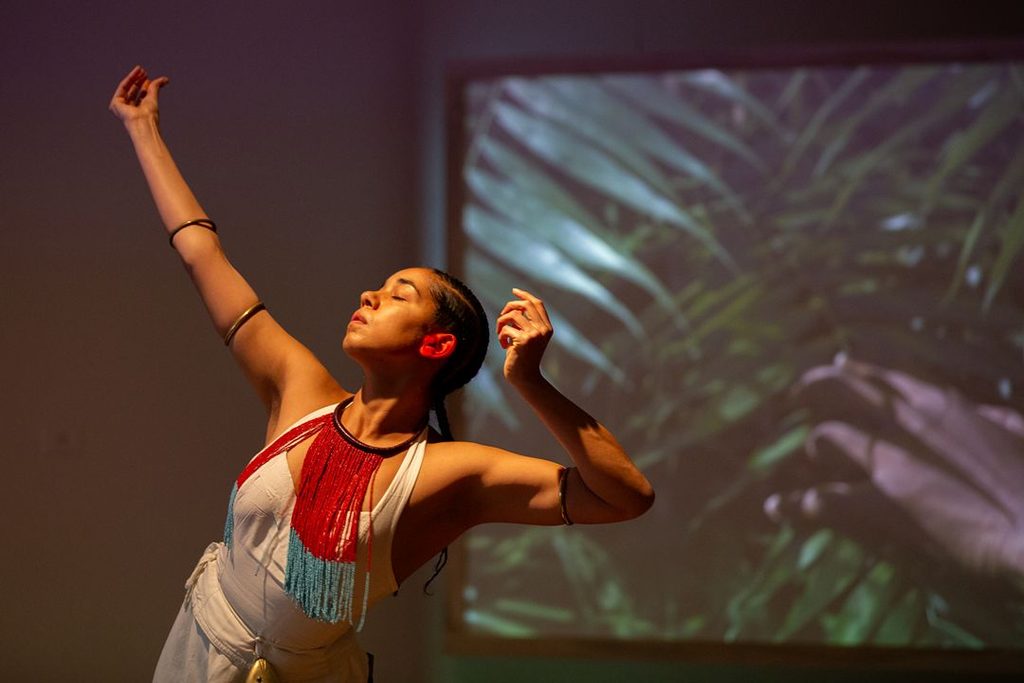
From 4–14 November, the Algarve Dance Festival, Pedra Dura, returns for its fifth edition, celebrating movement, creativity, local talent and the universal language of the arts.
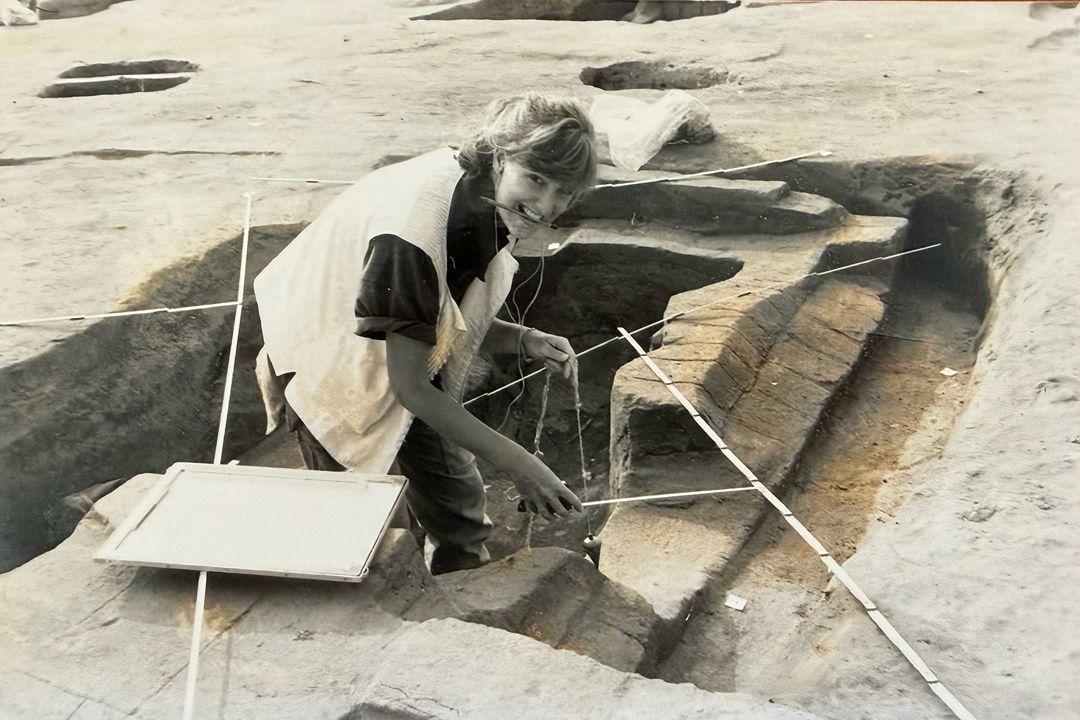
Some stones make us stumble, others become the foundations of bridges. Pedra Dura (meaning hard rock) seems determined to do just that: transform obstacles into opportunities and bring people together through art.
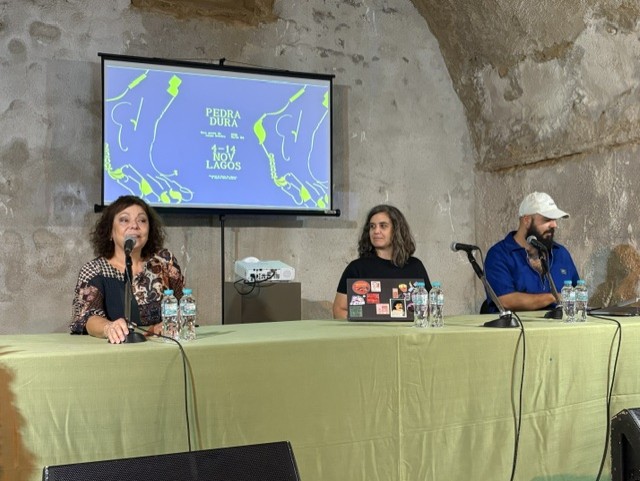
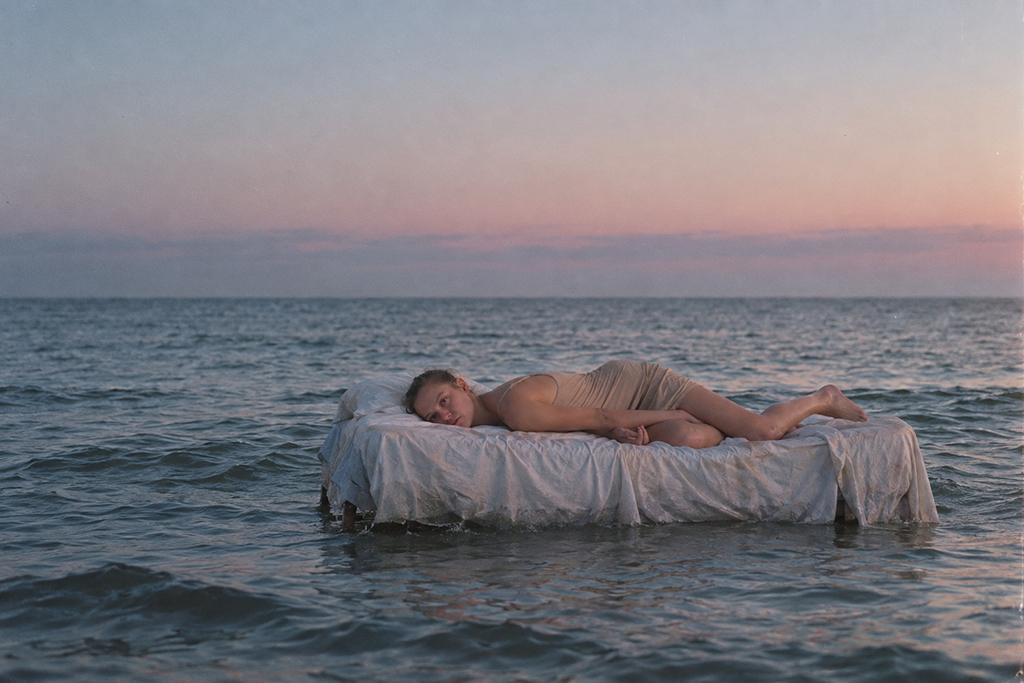
I attended the press conference unveiling its fifth edition, where one thing became clear to me: This festival is about much more than dance. Its vibrant programme embraces cinema, exhibitions, music, performances and conversations, bringing local talent, including performers from Lagos, alongside national and international artists.
An exciting development is the inauguration of a new exhibition by CenDDA (Algarve Dance Documentation Centre), in partnership with the Dr Júlio Dantas Municipal Library. Beyond celebrating dance on stage, this initiative helps preserve its history, memory and cultural legacy for future generations.
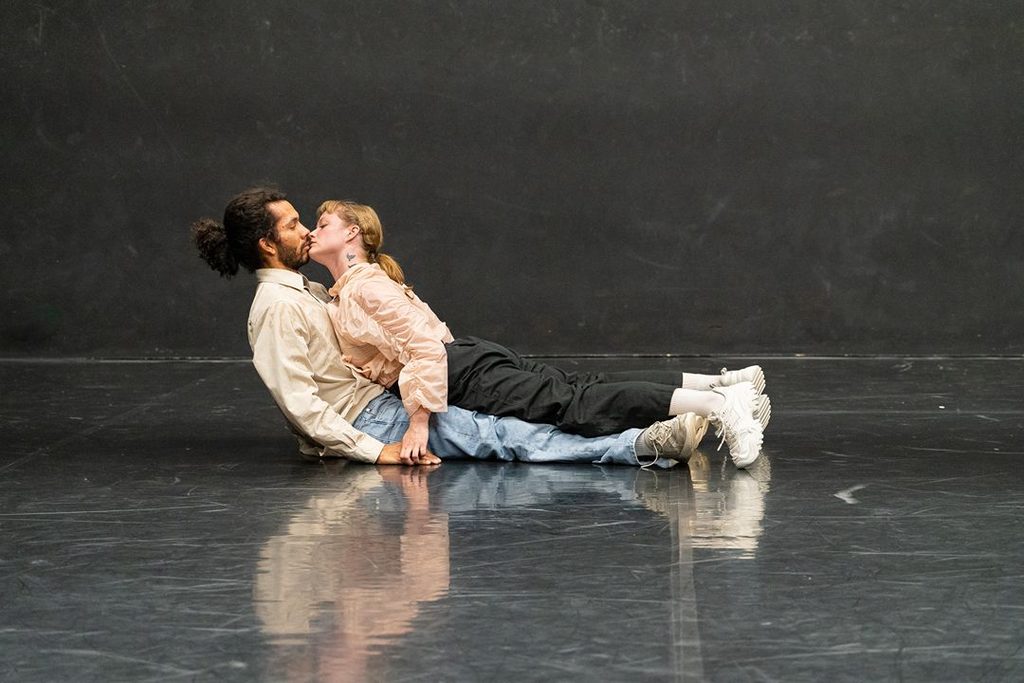
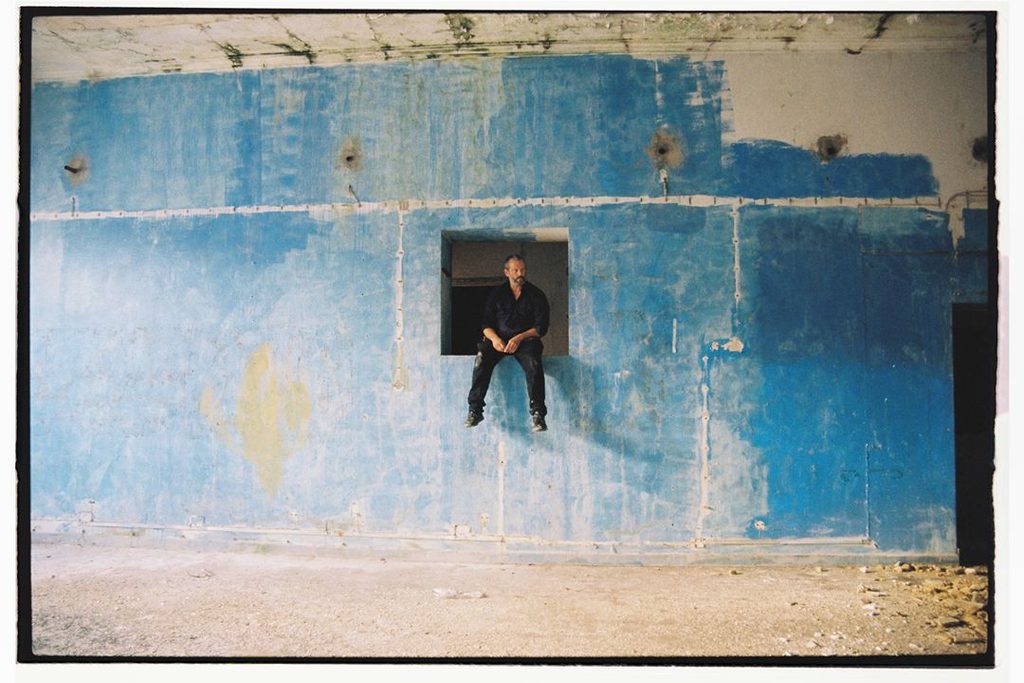
The festival also collaborates with Centro Ciência Viva de Lagos and features José Ferreira performance of Aqui há um buraco (There’s a hole here), alongside talks aimed at school audiences. It offers an imaginative meeting of science, movement and artistic exploration.
Despite financial restrictions, Pedra Dura continues to push boundaries. One particularly interesting proposal was a funding structure that would encourage cooperation and collaboration among cultural associations rather than competition for limited resources.
Lagos city councillor Sara Maria Horta Nogueira Coelho expressed her gratitude to everyone whose dedication, collaboration and efforts have made the festival possible.
Artistic director Daniel Matos and production coordinator Joana Flor Duarte were asked what they most wanted from the festival and their answer was simple: participation.
“Everyone should come, even those who don’t speak Portuguese. Music, movement and the arts are universal languages,” says Daniel.
In a region where so many nationalities coexist, this invitation resonates deeply. Art requires no passport, translation or fluency in Portuguese. Only curiosity and a willingness to participate.
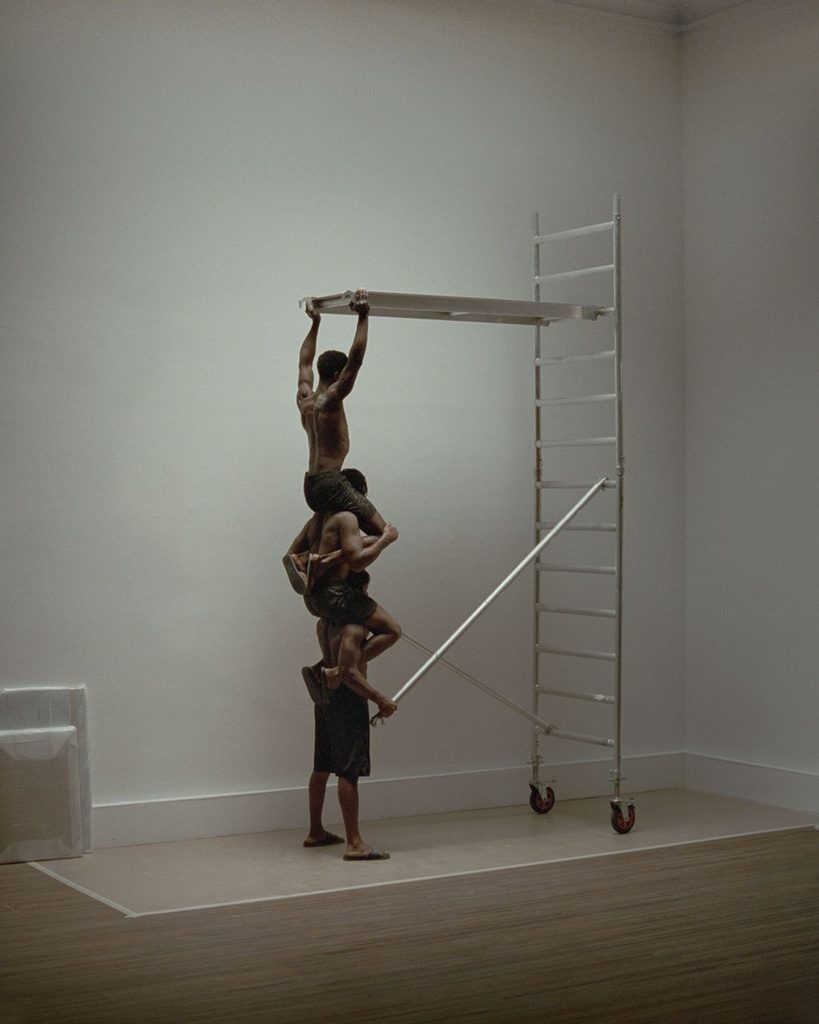
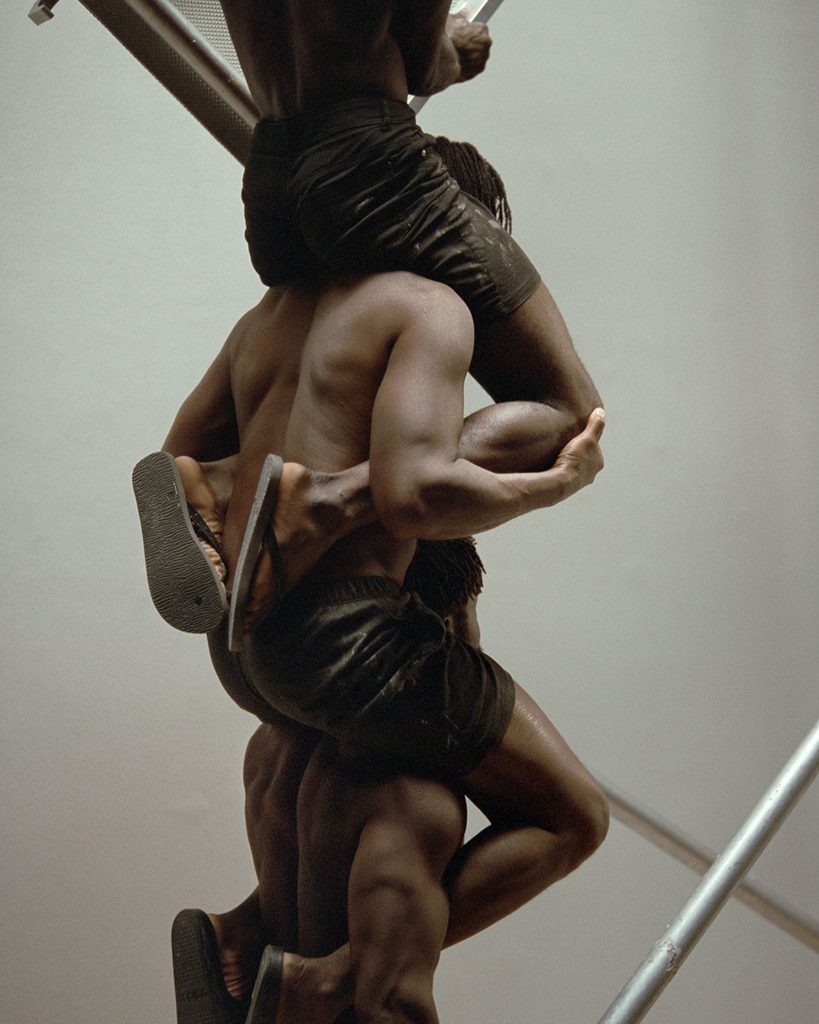
Pedra Dura reminds us that culture is not a luxury reserved for prosperous times. It is a space for discovery, connection and belonging.
After all, a culturally vibrant town is measured not only by the performances it stages, but by the relationships it nurtures.
And in Lagos, even the hardest stone can become fertile ground for creativity.