From traditional trade to the thrill of the ‘Wall of Death’
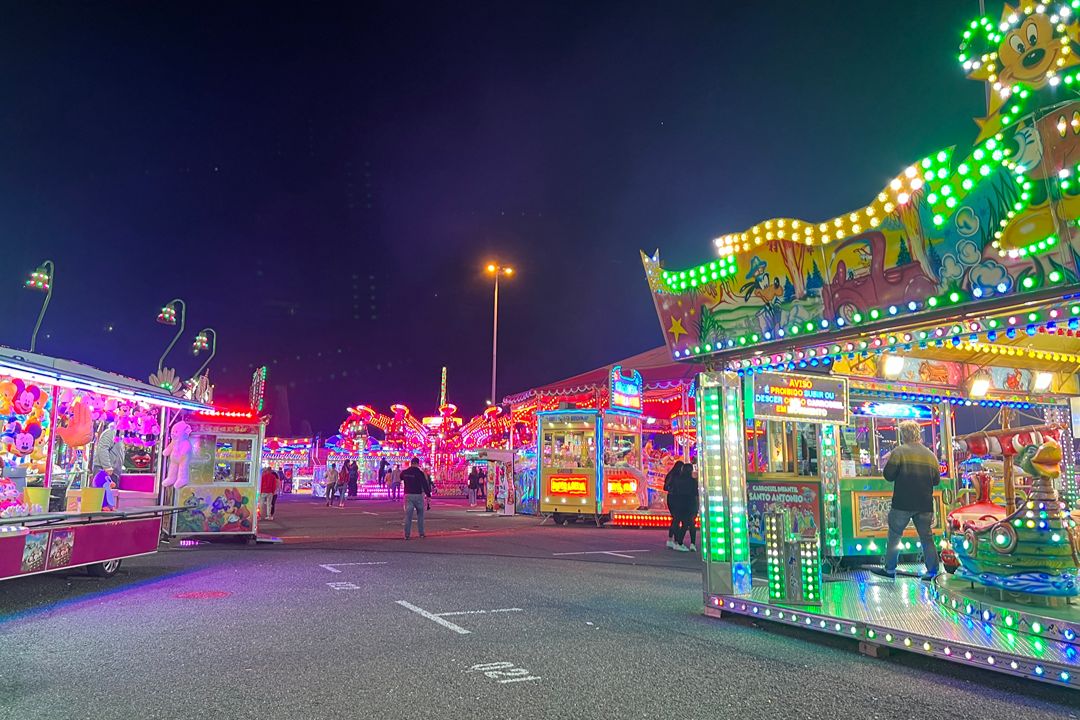
Long before the modern fairground lights flickered next to the municipal stadium, the sights and sounds of Lagos’s November drew the local population to the fun of the fair. But those historic fairs were very different from the one the town will enjoy this month. Lagos Municipal Archive holds the clues to how the event evolved. More than mere records of municipal expenditure, these archived documents highlight how a community adapted its traditions, turning a humble free fair into an enduring cornerstone of the Algarve’s collective memory.
Historically, fairs and markets played a vital commercial role at a time when transport links were limited and producers from more distant areas struggled to reach consumers. As transport networks improved and modern forms of commerce developed, fairs gradually lost their importance as essential places of supply. Instead, they evolved into lively social occasions where regional ties were maintained and entertainment became an increasingly important part of the experience.
The evolution of the Lagos Feira Franca (traditional free fair) from an economic initiative to the bustling fairground of today demonstrates the remarkable ability of popular traditions to adapt and survive.
Established in 1931, following a proposal by António Crisógono dos Santos, the fair soon became part of the town’s cultural life. Archival records from the late 1970s, including correspondence from Lagos town hall concerning the electrification of its customary site at Rossio de S. João, provide a glimpse into this evolution.
Municipal records documenting applications for stalls and attractions reveal a fair that increasingly combined regional commerce with popular entertainment. In 1978 and 1979, traditional crafts such as palm weaving (empreitas), clothing stalls and fartura stands shared the fairground with children’s rides, circus pavilions and illusionist attractions such as the ‘Electric Chair Pavilion’.
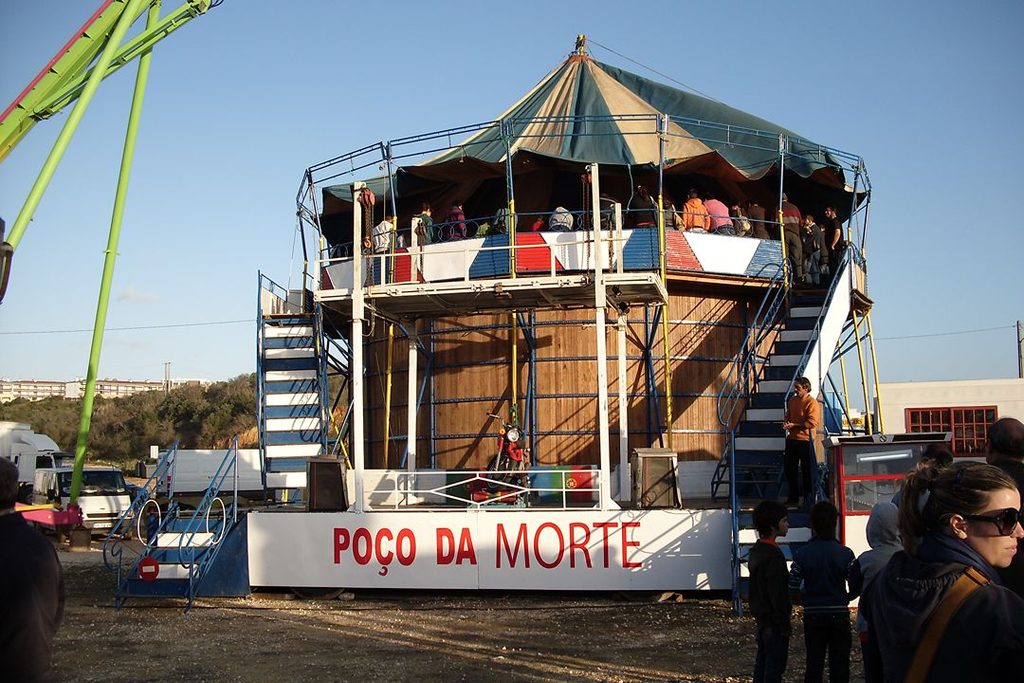
By 1980, the transformation of the fair into a major popular entertainment event was unmistakable. One of its most striking attractions that year was Adelino Henriques de Amaral’s ‘Wall of Death’ (Poço da Morte), a spectacular arena in which motorcyclists performed daring stunts. Its arrival helped shift the fair’s focus even further from traditional commerce towards spectacle and amusement.
The 1980 edition featured an impressive variety of attractions alongside the motorcycle stunts.
- Sideshows and spectacles: ‘The World’s Smallest Man’ pavilion, Circo Itália and Super Circo Moscovo
- Rides and music: the Super Carrossel Paraíso, a Rally Algarve bumper-car track and the Mundo da Música POP disco
- Traditional trade and food: dozens of clothing stalls, regional pottery, and food trailers selling farturas (a traditional Portuguese sweet pastry), malacuecos (Portuguese-style fried doughnuts) and pinchitos (skewered meats)
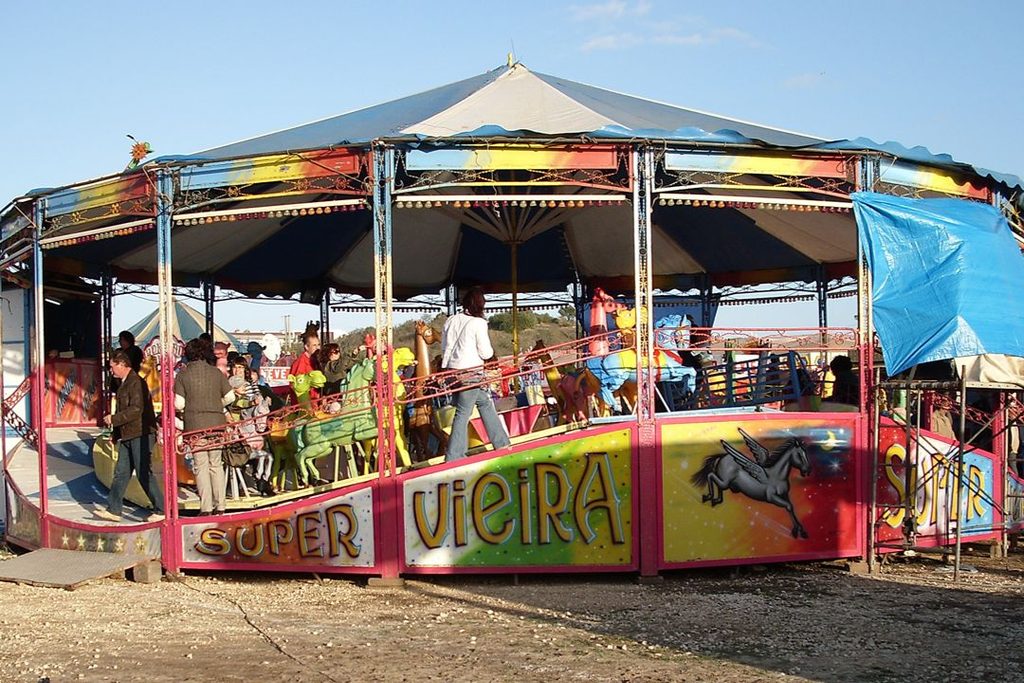
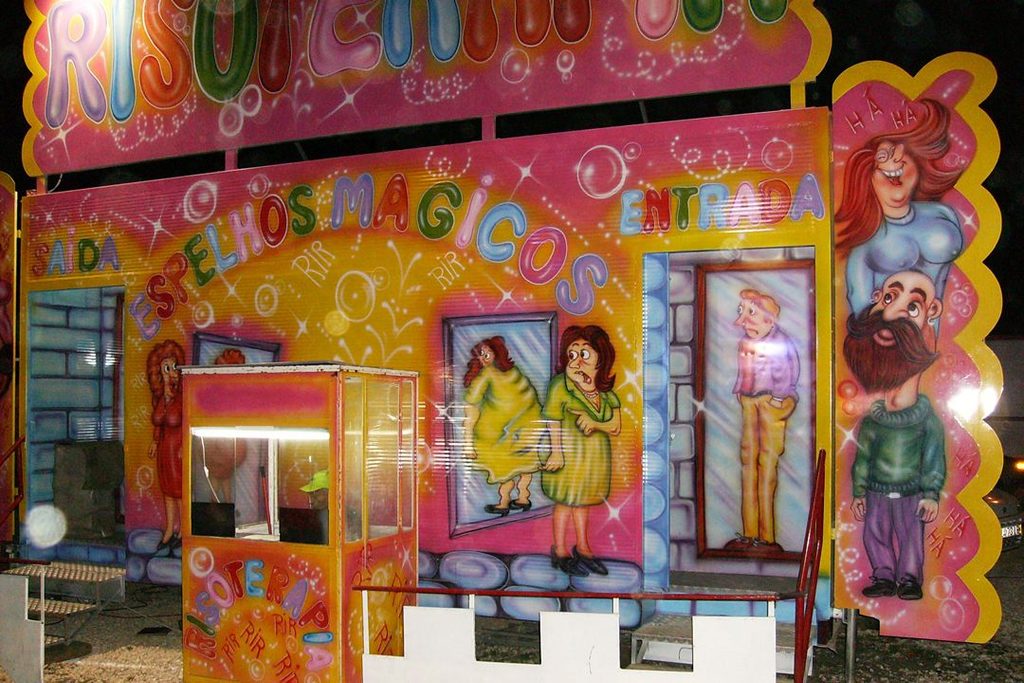
These attractions illustrate how Lagos Feira Franca successfully adapted to changing times. No longer essential as a place where goods could be bought and sold, the fair found a new role as an important social, cultural and entertainment tradition.
Archival documents therefore tell us much more than the names of former traders or details of municipal expenditure: they allow us to trace changes in the life of a community.
Modern commerce may have replaced much of the fair’s original economic function, but it could not replace its social importance. Today, the records preserved in the Lagos municipal archives (AMLGS) help keep alive the sights, sounds and memories of the fairground: the smell of farturas, the roar of motorcycles inside the ‘Wall of Death’, and generations of people gathering at Rossio de S. João. Together, they form part of Lagos’s collective memory.
Lagos municipal archives (AMLGS): minutes of the ordinary session of the Administrative Commission of Lagos Town Hall, 11 July 1931. Town Hall Meetings Series. Lagos Municipal Council Collection (Shelfmark: AH E 64/P 3).
This year, the Lagos fair takes place from 20 to 22 November next to the municipal stadium. Once again, it will feature plenty of rides, treats, snacks and stalls, all promising happy memories. Entry is free.