Is Portuguese wine following in South Africa’s footsteps?
A Tale of Two Coasts: Cape Town and Alentejo
It seems obvious now, but I always seemed destined to have discovered and settled here on the wild west coast of Portugal.
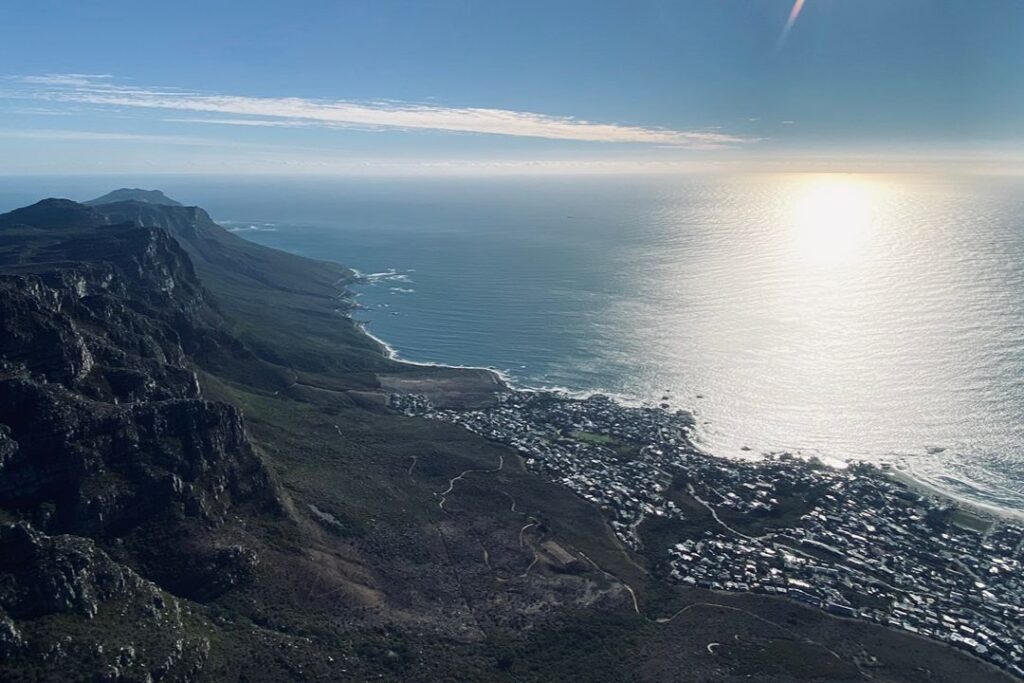
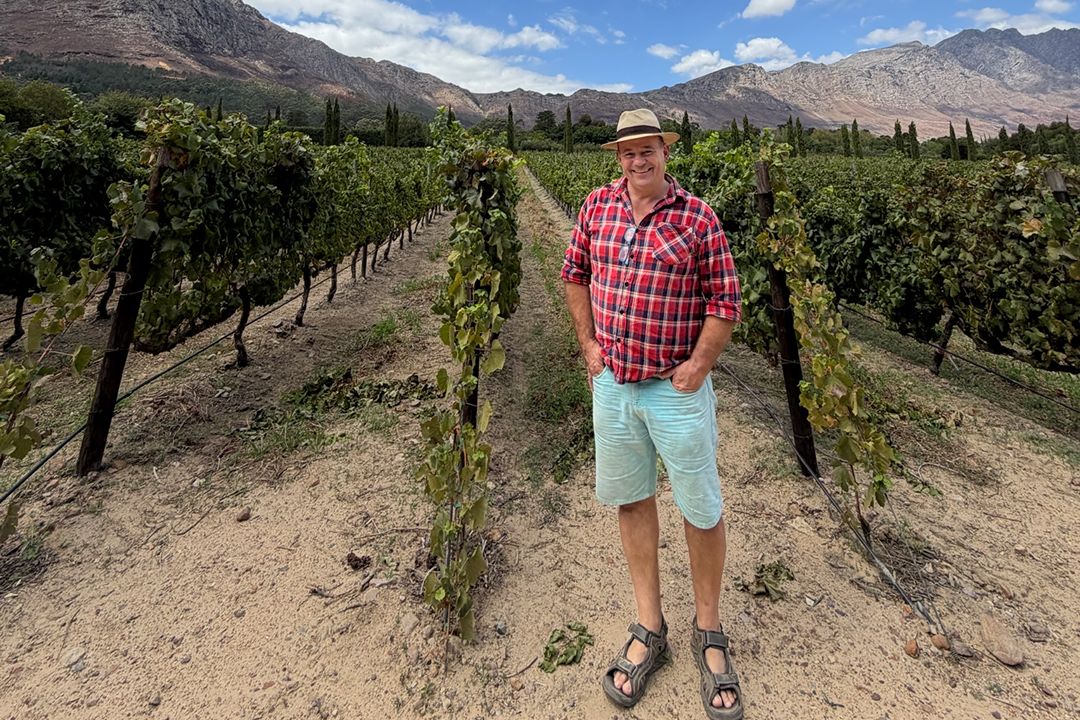
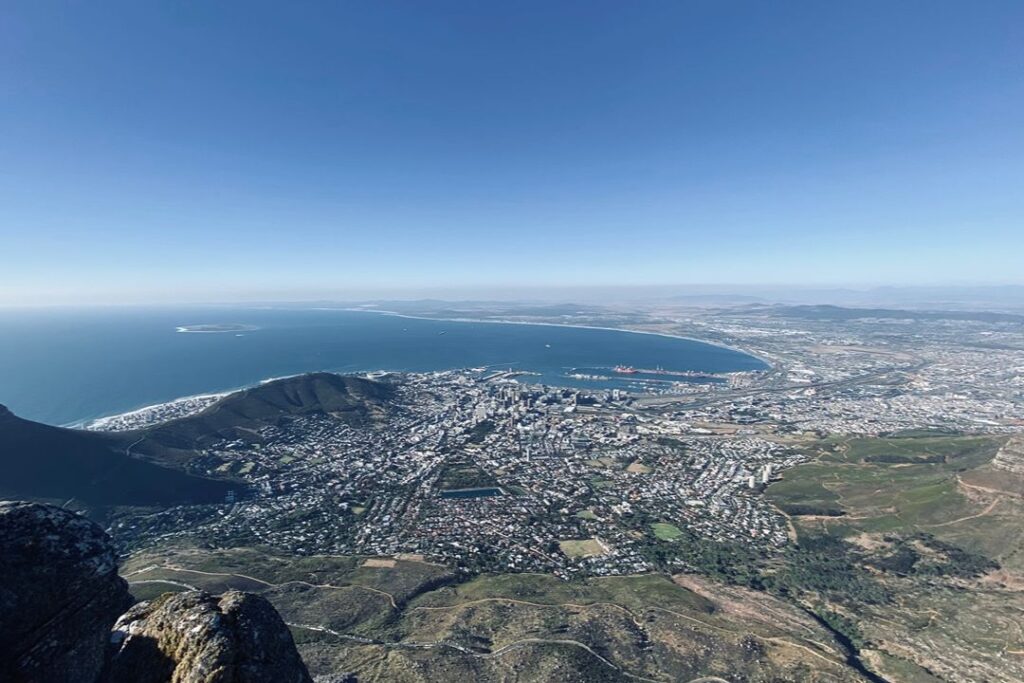
My first posting – and my first love – as a BBC foreign correspondent was Cape Town, where I also developed an interest in wine. Afghanistan, Asia and other parts of Africa all had their highlights, but California’s central coast also stood out as a third stunning place to spend time. Big oceans, dramatic cliffs, cold water, plenty of sunshine, beautiful light and great wine. All boxes firmly ticked in my hat-trick of favourite places in the world.
From here in Alentejo, I still keep a close connection with both South Africa and California, but it’s to Cape Town where we fled the barrage of Portugal’s winter storms to investigate a theory I’ve been pondering for some time: the wine industry I discovered in South Africa 25 years ago feels a lot like the wine industry in Portugal today.
Foreign correspondents are outsiders everywhere they go – Jacks of all trades, but masters of none: I’m no sommelier, but having recently swapped the stories of war for the stories of wine, I know enough to have a theory.
From Cheap Pours to Global Prestige
When I arrived in Cape Town in 2001, pretty much all the wine was cheap – really cheap. While a crashing currency made everything affordable for those paid in pounds, even for locals, the wine was priced like a staple food – much like in Portugal today.
Now, some of those South African wines I snapped up for a steal are luxury goods in demand worldwide, the wine industry is thriving and wine tourism is hugely popular.
The reasons for this success have been the emergence of a new and exciting wine region with a passionate bunch of producers, the international ‘discovery’ that South African wine is very good, and the ability to cash in on a sudden influx of tourists.
Historical Roots and Overcoming Political Roadblocks
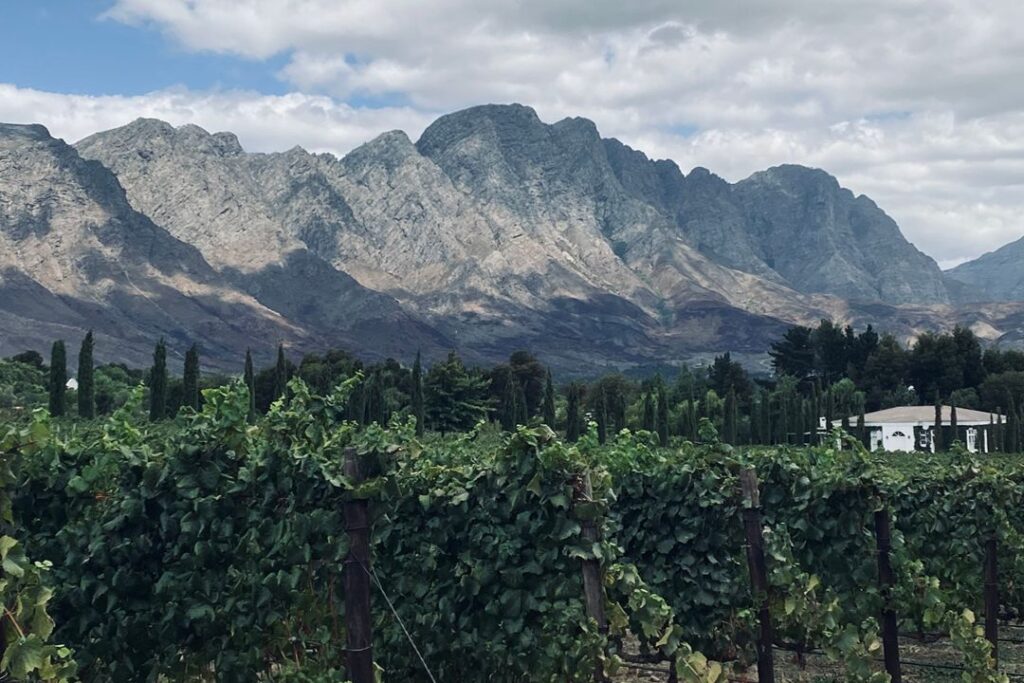
South Africa is considered a new world wine region, as it has only been producing wine since the mid-1600s, when vines were brought from Europe by the Dutch East India Company’s Jan van Riebeeck, who founded Cape Town as a supply station for ships rounding the Cape.
It turned out grapes were better for making booze than stopping scurvy, but the arrival of the French Huguenots in the late 1680s laid the foundations of South Africa’s rich wine culture.
The French religious exiles brought grape growing and wine making from their homeland to a valley they were given: the ‘French corner’.
Franschhoek is still a centre of winemaking and a place we always visit while in the Western Cape … especially to try some bubbles. While Champagne gets to use the name, Portugal’s Espumante and South Africa’s Méthode Cap Classique (MCC) are all made the same traditional way.

The Wine Tourism Gap
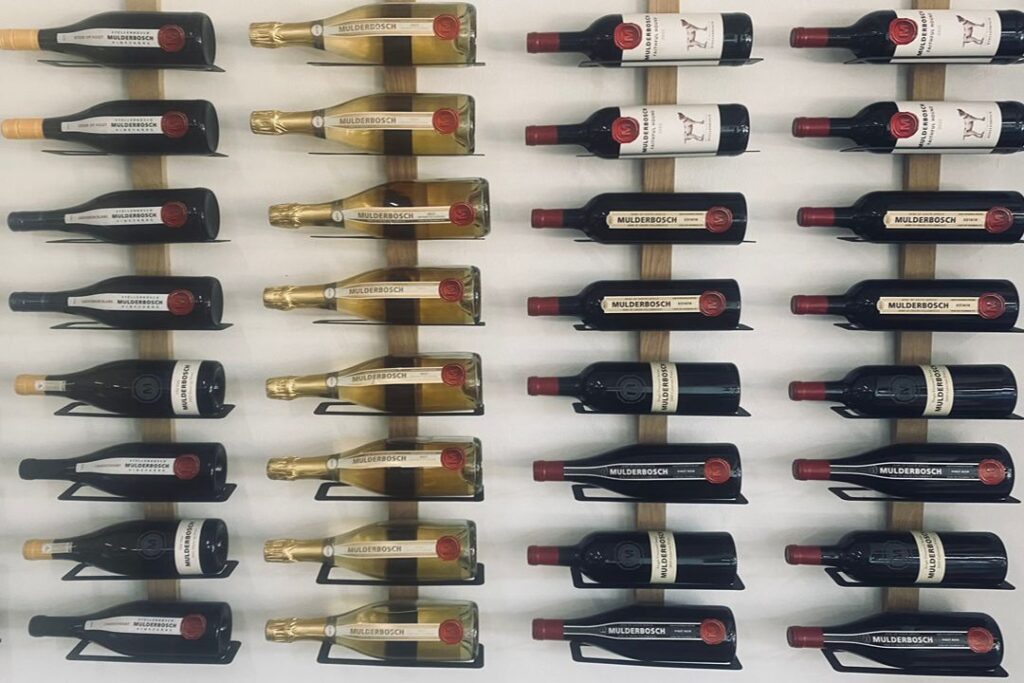
The winemakers’ favourite fizz tasting room is Le Lude. South Africa’s wine industry has always been championed by its wine routes and tasting rooms, where drop-ins are always welcome and sample wine flights are very reasonably priced. And the options are endless in Stellenbosch – Franschhoek’s neighbouring valley and capital of the region’s wine production: its Évora to our Alentejo. We love Mulderbosch, which offers a generous tasting glass of any four of its premium wines for under €6.
So many Stellenbosch wineries are tourism destinations in their own right, and while Portugal has them too, our Alentejo experience is limited to opening times, pre-booking requirements, or take-it-or-leave-it in-depth tours which can last hours.
There’s a cost to staffing a drop-in tasting room for few visitors, but without staff, the visitors won’t come. Wineries in Alentejo could learn from South Africa and be ready for the rush – particularly with all the international tourists now drawn to Portugal.
But the core of my comparison between South Africa then and Portugal now is the emergence of a new and thriving wine region.
The Swartland Revolution: A Blueprint for Portugal
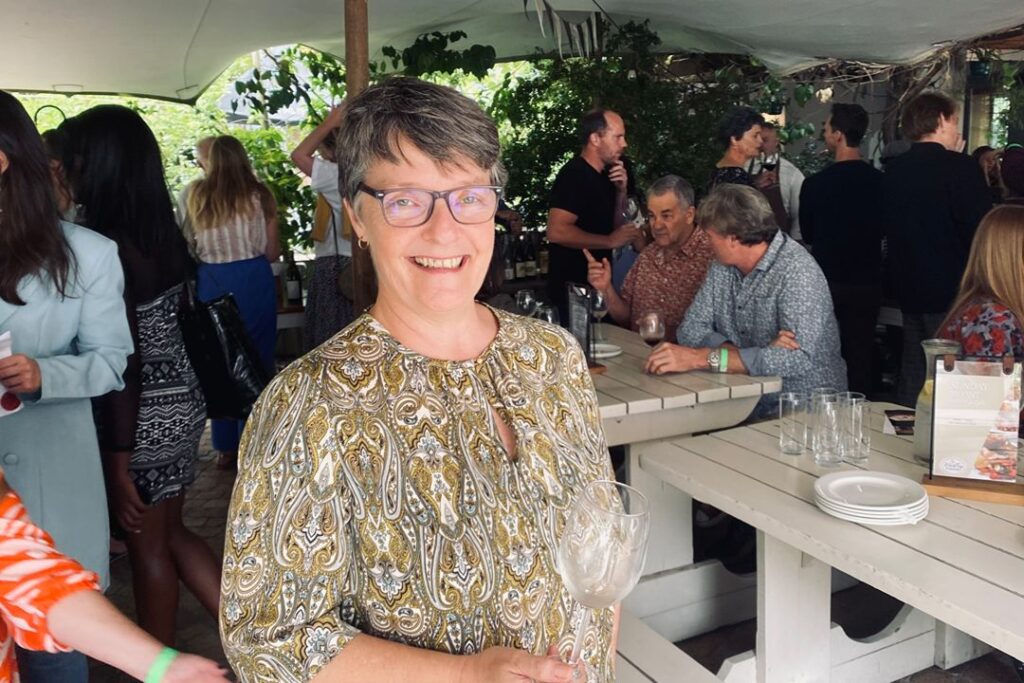
“There’s been a massive shift for South African wine with the Swartland revolution,” said Shirley Griffiths from Vino Pronto, a wine retailer in Cape Town. “It was a wheat-growing area and cooperative wine region producing high volumes. There was an availability of old vines that weren’t looked after properly as the Swartland was being farmed for quantity, not quality.” It sounds a lot like parts of Alentejo today.
In the early 2000s, a new generation of independent winemakers with new ideas took over the high-quality but low-production old vines neglected by the cooperatives in the area north of Cape Town. Through dry farming, they championed unfiltered, low-intervention wines. Now called natural wine, it’s popular with younger drinkers and therefore central to the industry’s future.
In 2010, the grassroots wine movement launched the Swartland Revolution festival, which became the hottest ticket in wine. Its buzz brought international wine media attention to South Africa, according to David Clarke of Ex Animo wine distributors. “That seemed to be the turning point … and when all the big names got involved, quality went up and the price followed” he said. “Now there is the low end of quaffable wine and the top end with very high prices.”
It’s a position to which Portugal might aspire: for its top wines to demand premium prices and its cheaper wines to remain affordable.
David Clarke believes South Africa’s journey began in 1994 with the transition to democracy from isolationist apartheid, and with a first generation of South African winemakers able to travel internationally and bring new ideas home.
The Alentejo Revolution: Awaiting the Global Spotlight
Portugal’s wine journey started earlier, but has had further to go. The Salazar dictatorship replaced Alentejo’s historic vineyards with unsuitable wheat. After a stuttering post-revolution decade, wine’s modernisation and replanting was boosted by its entry into Europe in 1986. It opened up to new world ideas from winemakers like the Australian David Baverstock at Esporão.
That’s why some describe Alentejo as a new world wine region in an old world wine country.
The experience of travelling in Alentejo to make a podcast about wine has introduced me to a similar revolutionary energy surging through the region.
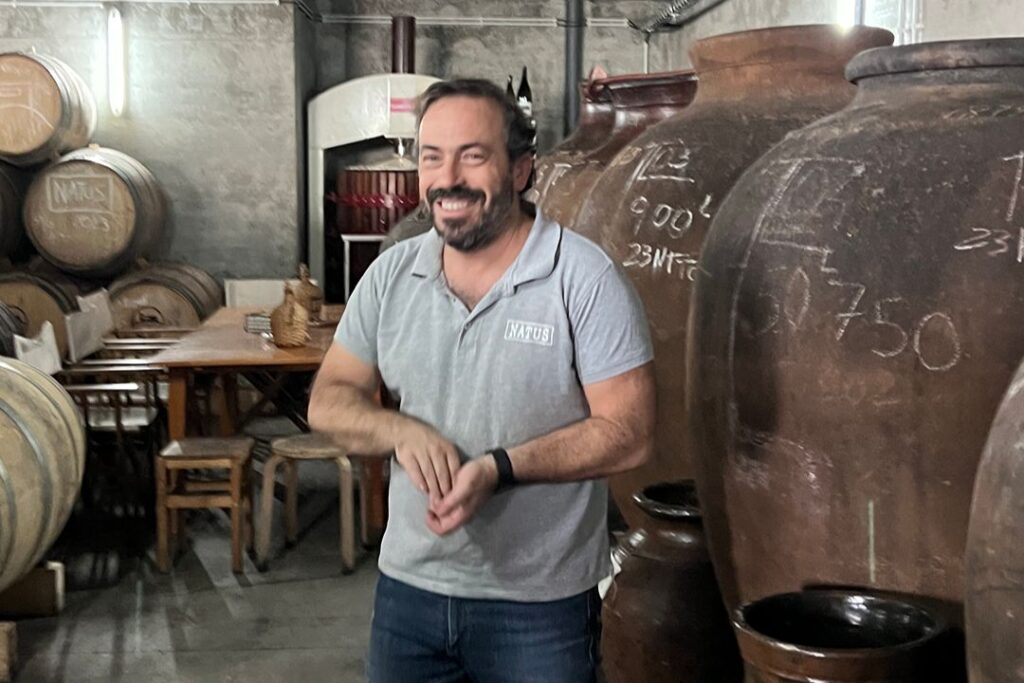
Hamilton Reis, winemaker at Mouchão, has planted his own bush vineyard in Vidigueira, developed his own twist on talha (amphora) winemaking, and produces high-end Natus Vini in his basement adega.
Every year around the traditional November opening of the talhas, he hosts a Wine and Friends gathering with Hugo Mendes and Mauro Azóia – both well-established winemakers building their own equivalent of a Revolution festival in a region previously known for its cheaper, cooperative and bulk wines.
These are just a few names in a movement that’s transforming and modernising Alentejo, the Lisbon wine region, and many other wine regions in Portugal beyond the Douro.
Alentejo is still awaiting its mass wine media moment, but with the Baixo, or Lower Alentejo, recognised as this year’s European City of Wine, perhaps that moment is coming.
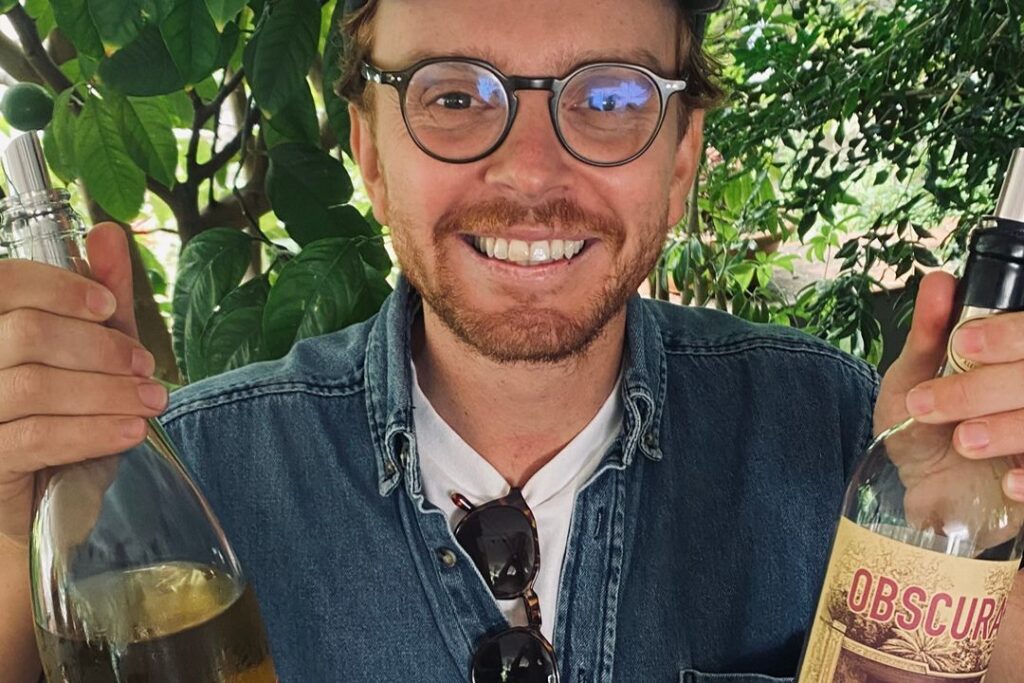
Alastair Leithead is a former BBC foreign correspondent who now runs a fully off-grid eco-luxe resort called Vale das Estrelas or Valley of the Stars, which runs wine retreats in May and October. Check out his wine podcast at wineportugal.substack.com