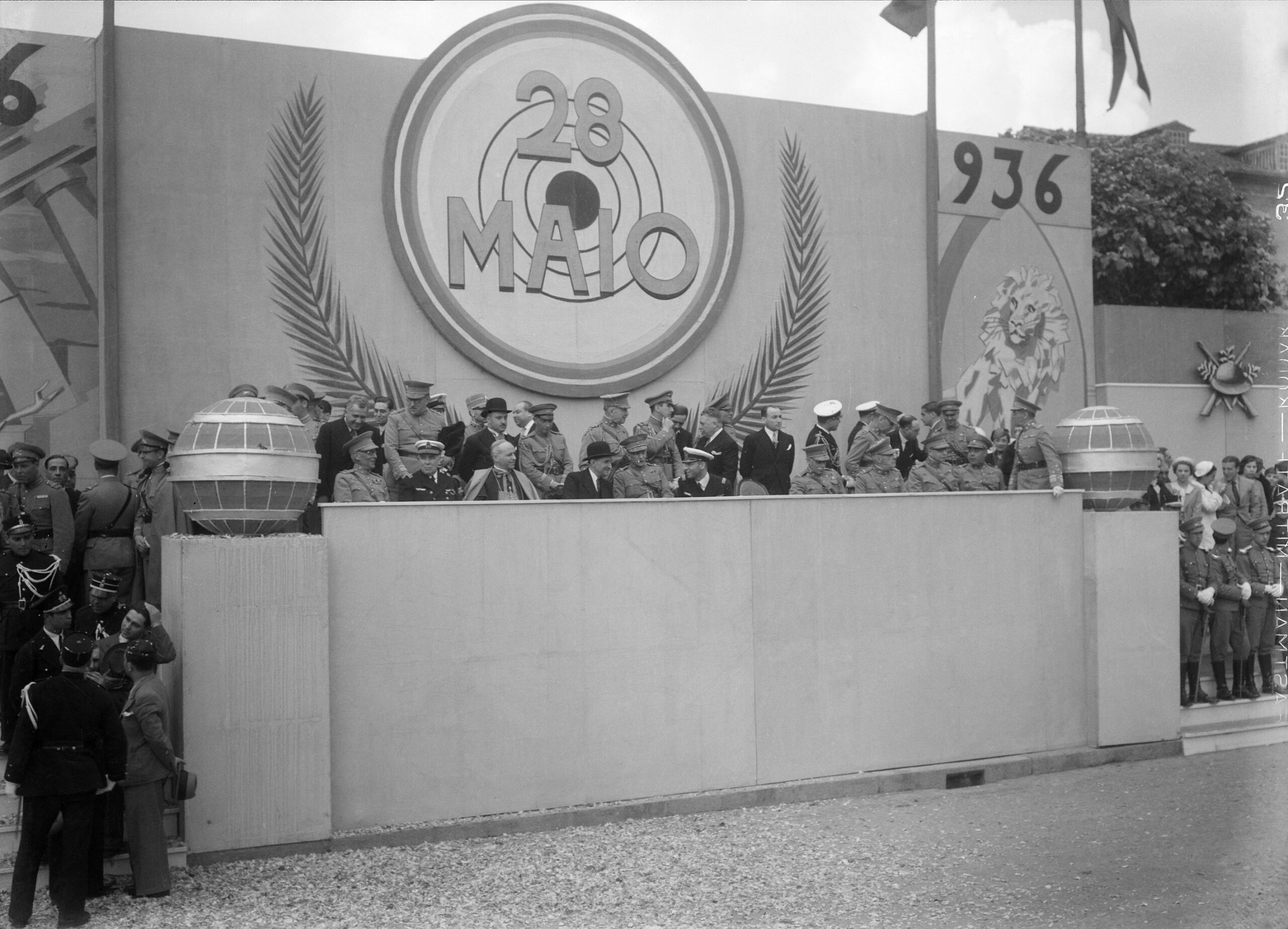
This month marks the centenary of the 28 May 1926 coup, which brought an end to the country’s first republic and set a course for the drift into dictatorship. Despite its colourful characters, the coup has no heroes and this anniversary will largely pass unnoticed. But nevertheless, it is an important milestone in the country’s modern history.
A faltering republic
The first republic had only come into being in 1910, after the overthrow of the monarchy. But it proved to be a messy affair. The politicians who took charge agreed only on the concepts of republicanism and anti-clericalism. They couldn’t agree on anything else. Between 1910 and 1926, there were 44 administrations and nine presidents. Ministers came and went through an ever-revolving door, unless assassinated on the way. The needs of the country were largely unmet. Short-lived governments spent but didn’t tax accordingly. Spiralling deficits fuelled inflation and undermined the currency. By 1926, prices were 40 times higher than at the start of the republic.
While the general population suffered from the ever-weakening economy, the military also felt increasingly aggrieved, as their incomes failed to keep up with rising prices, and the top brass simply became exasperated with the hopelessness of the political class.
The military’s impatience had begun to show some years before the coup. There was a significant revolt in 1921 when officers staged assassinations of key republican leaders – the so-called ‘Bloody Night’. The Aviation Revolt followed in 1924, when air force officers led another assault on key republicans. A further revolt that year saw 61 army officers seize key positions in Lisbon. The government eventually quashed all these revolts, but each time its authority was weakened and its collapse began to look inevitable.
An unsteady triumvirate
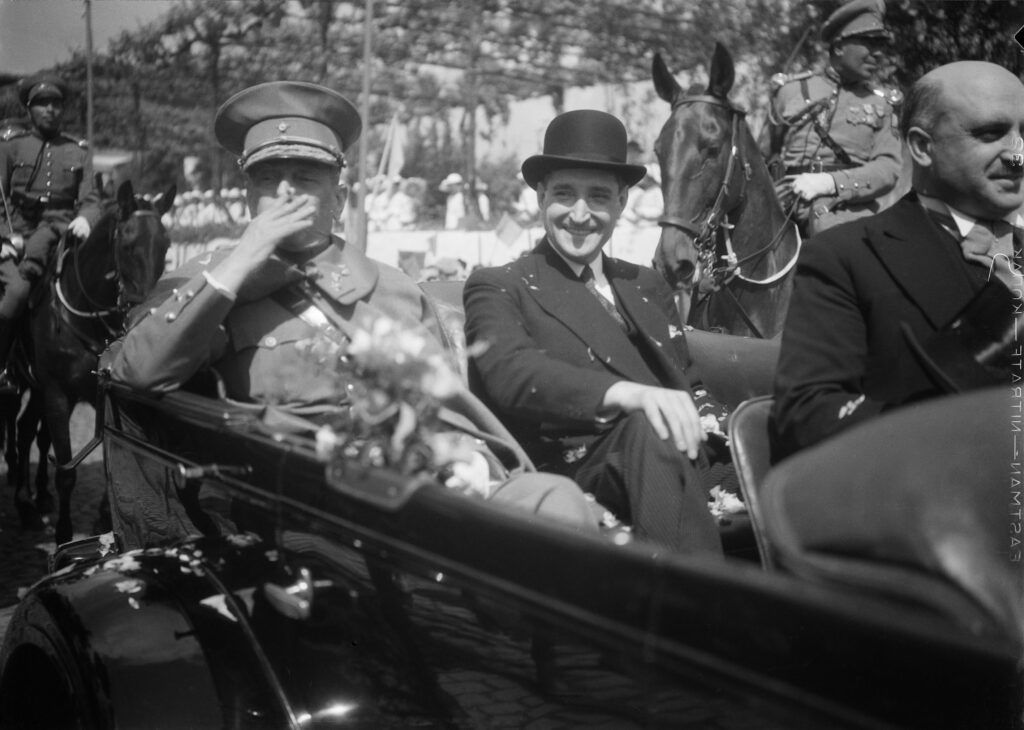
The three senior military figures who led the ultimately successful coup in 1926 were drawing inspiration from the increasingly authoritarian government in Spain led by Primo de Rivera. The triumvirate agreed on the need for strong government and thus the need to end the first republic, but beyond that, they had different ideas about the direction of a new government.
First up in the coup was First World War veteran General Manuel de Oliveira Gomes da Costa, who, having summoned sympathetic officers to join him, triggered the coup in Braga on 28 May. The next day, officers in Lisbon led a revolt against the government. The Republican leaders realised that this time the game was up when da Costa arrived in the city with 15,000 troops and the city’s chief of police sided with the army rebels. The government promptly resigned.
Next up was navy officer José Mendes Cabeçadas, who took charge of the government on 31 May, declaring himself president. He had a more liberal approach than the other members of the triumvirate and was a committed republican. It didn’t take the other military leaders long to figure out that he would not lead them towards the type of government they had envisaged, so he was deposed on 17 June and replaced by Gomes da Costa, a staunch monarchist and conservative.
Next up was former cavalry commander Óscar Carmona, a less ideological figure and slightly more adept at the art of politics. On 9 July, he ousted Gomes de Costa, claiming he was not up to the task, and sent him into exile in the Azores, and declared himself president.
At this point, it was beginning to look as if the generals were even more adept at revolving-door government than the politicians they had ousted. But Carmona dug in and his presidency lasted right through to 1951.
The drift to dictatorship
Under the military-led governments, democracy was slowly throttled and the drift to dictatorship set in. At first, a finance minister appointed by the generals, António Salazar, emerged as the strong man in the government, eventually taking Portugal into his dictatorial ‘Estado Novo’, which was finally ended by the Carnation Revolution in 1974.
The events of 100 years ago this month that led to the downfall of the first republic were chaotic but effective, simply because the feeble first republic had run out of road and defenders. The military, which had helped bring about the republic, were dismayed at the mess the politicians had made of it. Their decision to put the republic out of its misery, and to declare the democratic experiment a failure, led only to dictatorship. For that reason, the centenary will pass by uncelebrated.
James Plaskitt is a retired politician who was a member of the British Parliament from 1997 until 2010. He now lives in the Algarve.