Following the Carnation Revolution, which ended Salazar’s Estado Novo dictatorship in 1974, some hoped that attitudes toward same-sex relations would finally begin to soften. Instead, homosexuality remained a taboo subject in post-revolutionary Portugal. It was not until 1 May 1981 that LGBTQ+ activists marched in Lisbon for the first time, demanding the repeal of the law that criminalised so-called “acts against nature”. The Estado Novo had inherited this legislation from the First Republic, which reinforced the prohibition in 1912, itself rooted in the 1886 Penal Code under King Luís I.
Ironically, 33 years earlier, same-sex sexual activity had actually been decriminalised in 1852 under Queen Maria II and King Ferdinand II. That reform ended centuries of criminalisation derived from canon law, likely dating back to the medieval period, which condemned same-sex acts as “sodomy”, both a grave sin and a crime. Yet the reintroduction of criminal penalties under King Luís I ensured that persecution continued well into the 20th century.
By September 1982, Portugal’s Parliament approved a new Penal Code that finally abolished the criminalisation of same-sex relations. On 1 January 1983, same-sex relations became fully legal in the Portuguese Republic.
Progress accelerated in the decades that followed. In 2001, Portugal recognised de facto same-sex unions. In 2010, it legalised same-sex marriage, becoming the eighth country in the world to do so on 5 June 2010.
By 2016, Portugal had extended full adoption rights to same-sex couples and, by 2021, the country ranked among Europe’s leaders in LGBTQ+ equality, reaching fourth place in ILGA-Europe’s LGBTQ+ Index of friendliest countries, a huge accomplishment for a country that was once ruled under an iron fist.
Did you know?
Finalmente Club, in Lisbon’s Bairro Alto, is the oldest continuously operating gay bar in Portugal. Founded in 1976, just two years after the Carnation Revolution, at a time when LGBTQ+ life was still largely underground, the bar has survived throughout the fight for equality, and, today, it has become almost an attraction in itself in the capital.
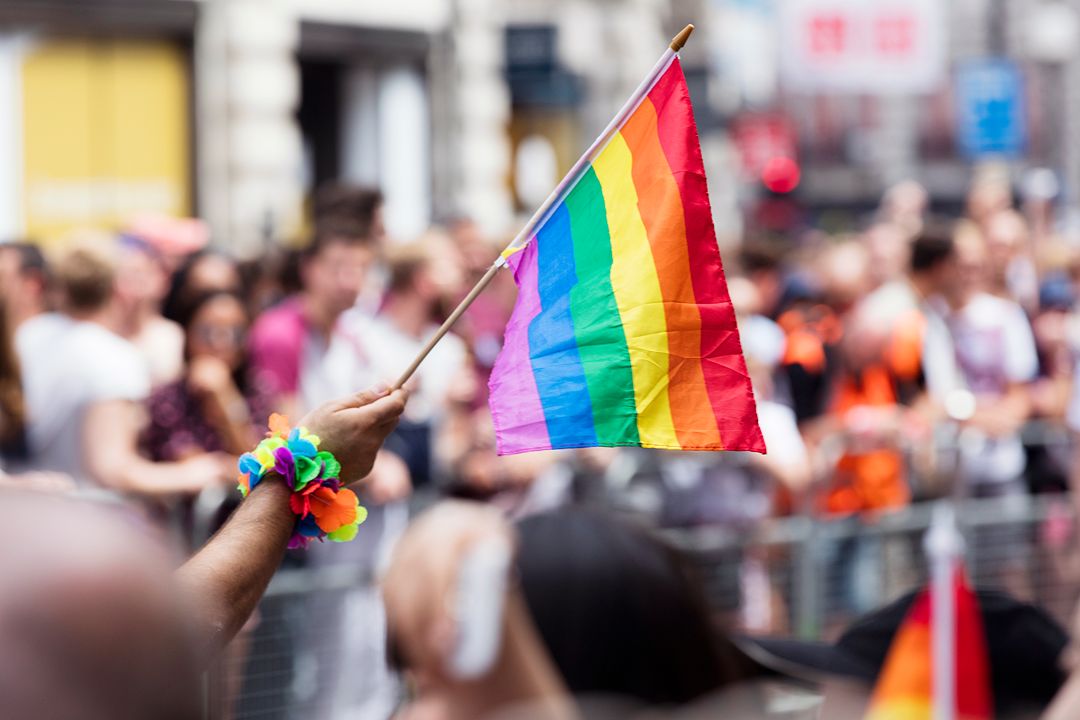
June is International Pride Month, and in Portugal, it is marked by Lisbon Pride, taking place this year on Saturday, 6 June, featuring a parade down Avenida da Liberdade.