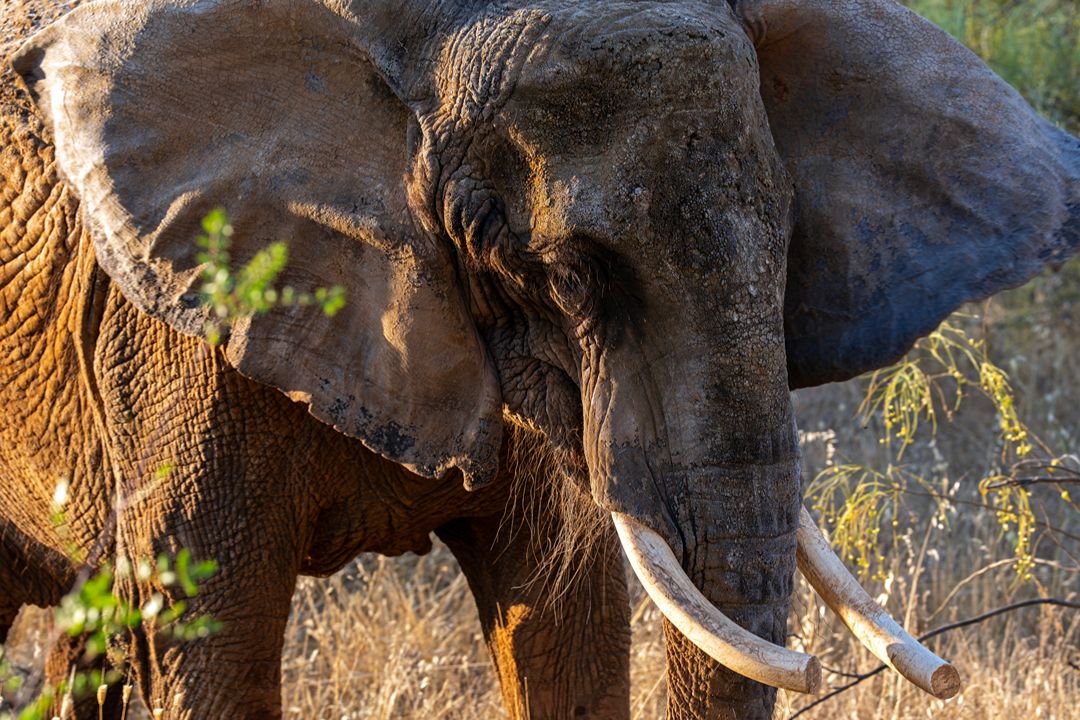
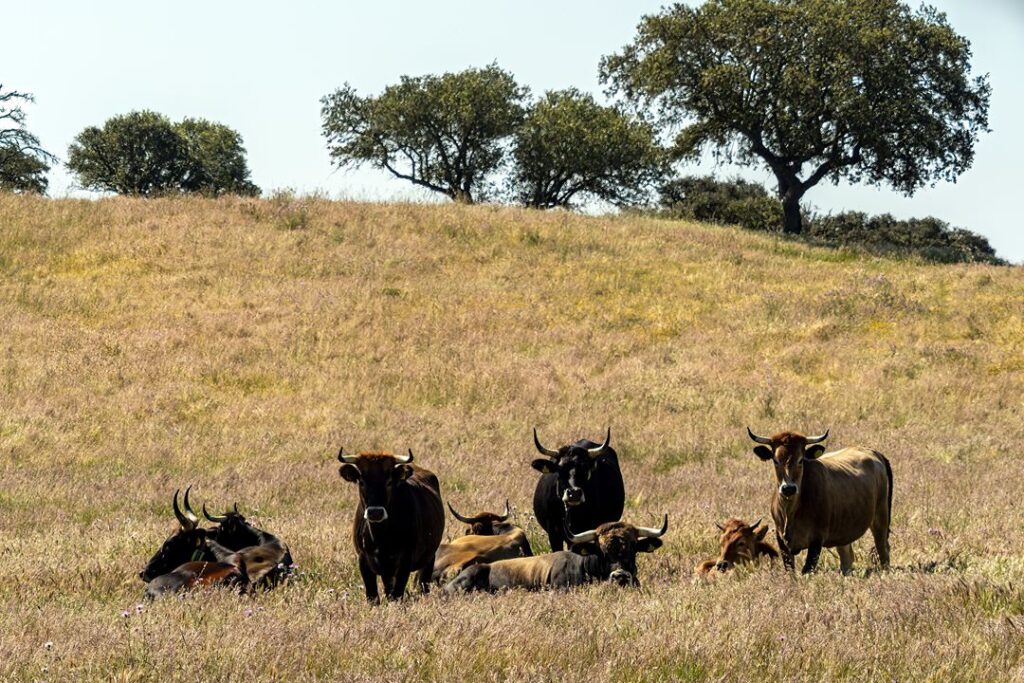
It’s been 35,000 years since elephants roamed the hills and valleys of Alentejo, but now they’re back.
Julie the elephant finally packed her trunk and said goodbye to the circus – presumably with a trumpety trump – and has trundled off to retirement in the Alentejo countryside.
The 40-something African elephant is the first arrival at Europe’s only large elephant sanctuary, which has just opened for retiring resident pachyderms in Portugal.
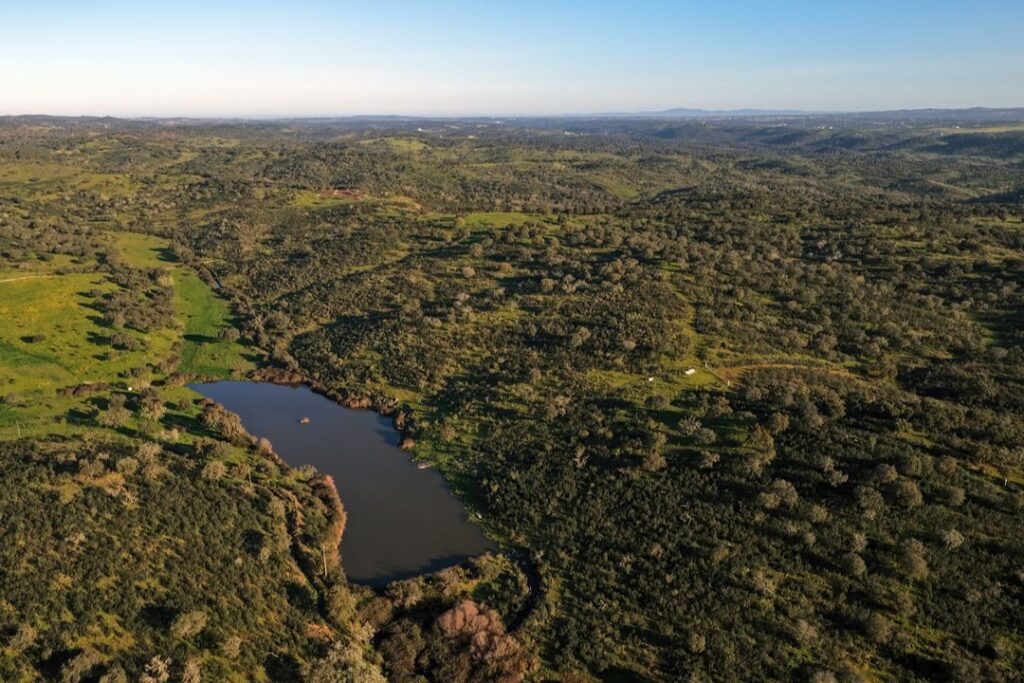
She is now the head of a herd being called from the far-away zoos and circuses of Europe at the 400ha reserve near Évora. The sanctuary will eventually provide a home for up to 30 elephants after a 2018 ban on wild animals working in circuses came into force two years ago.
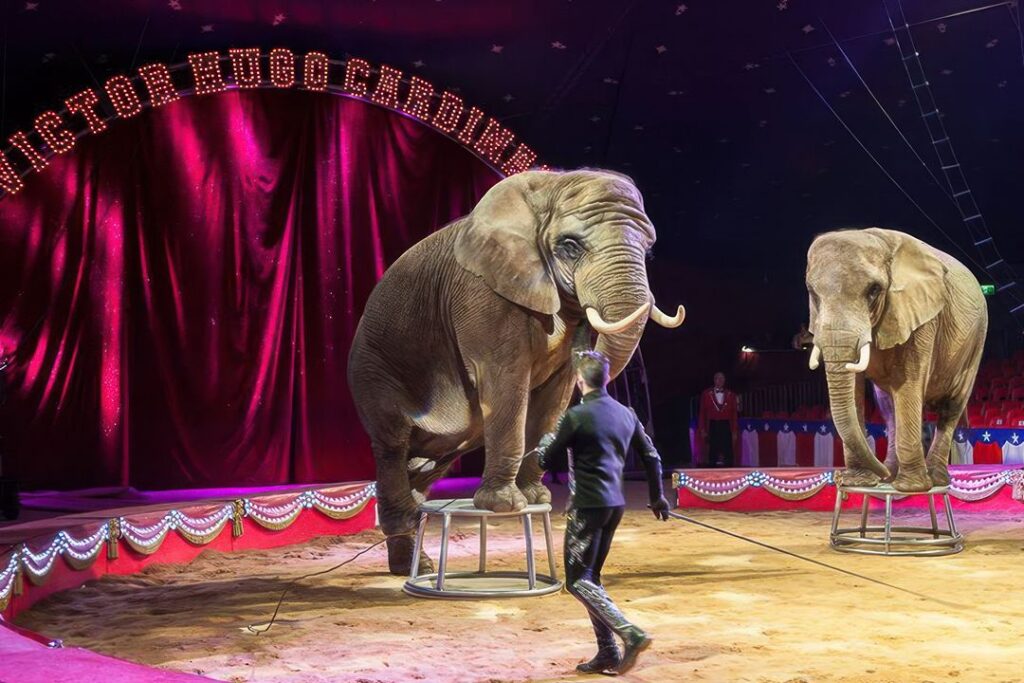
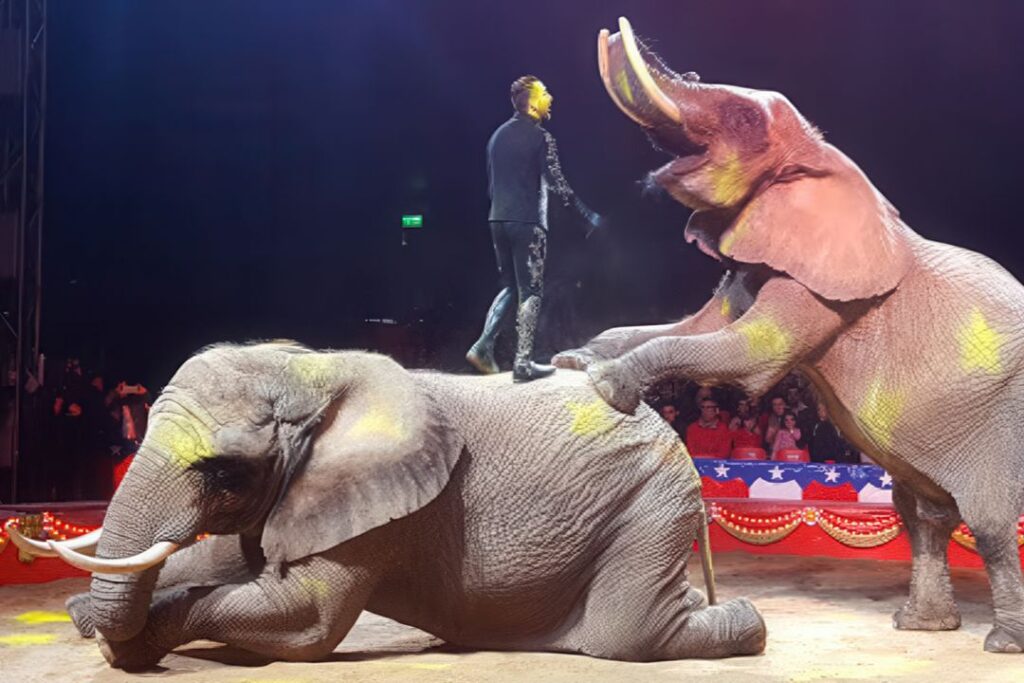
Julie’s departure to the countryside marks the end of an era: she was not only the last elephant, but the last wild animal of any kind performing in a circus in Portugal.
Since the ban on performing was imposed, animals have been left in limbo: no longer allowed to perform, but also with nowhere to go. That’s where the Pangea Elephant Sanctuary comes in.
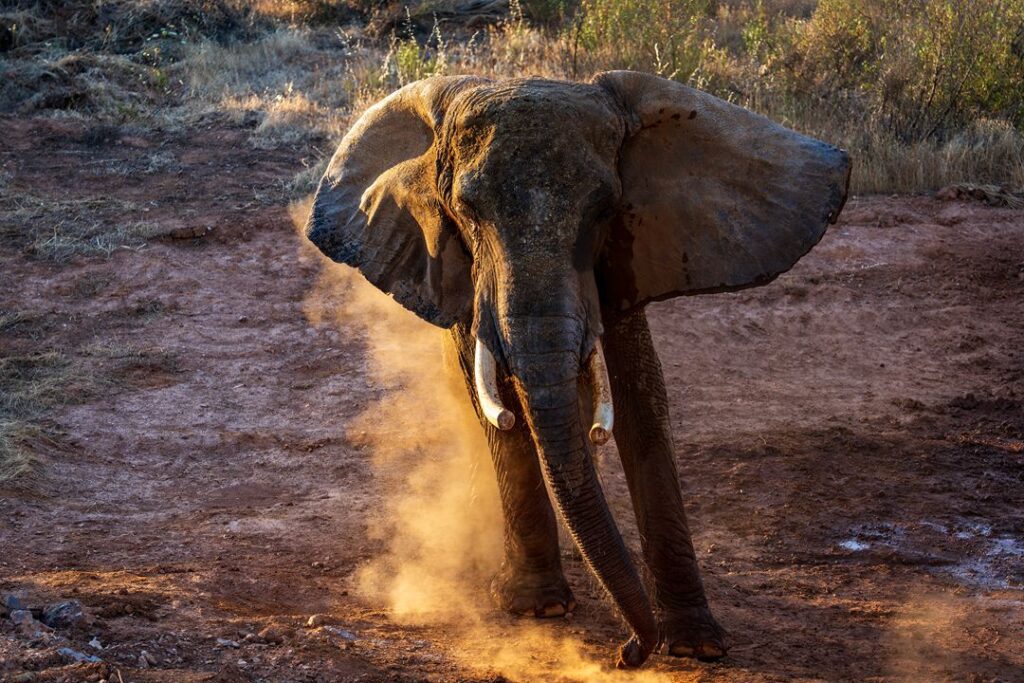
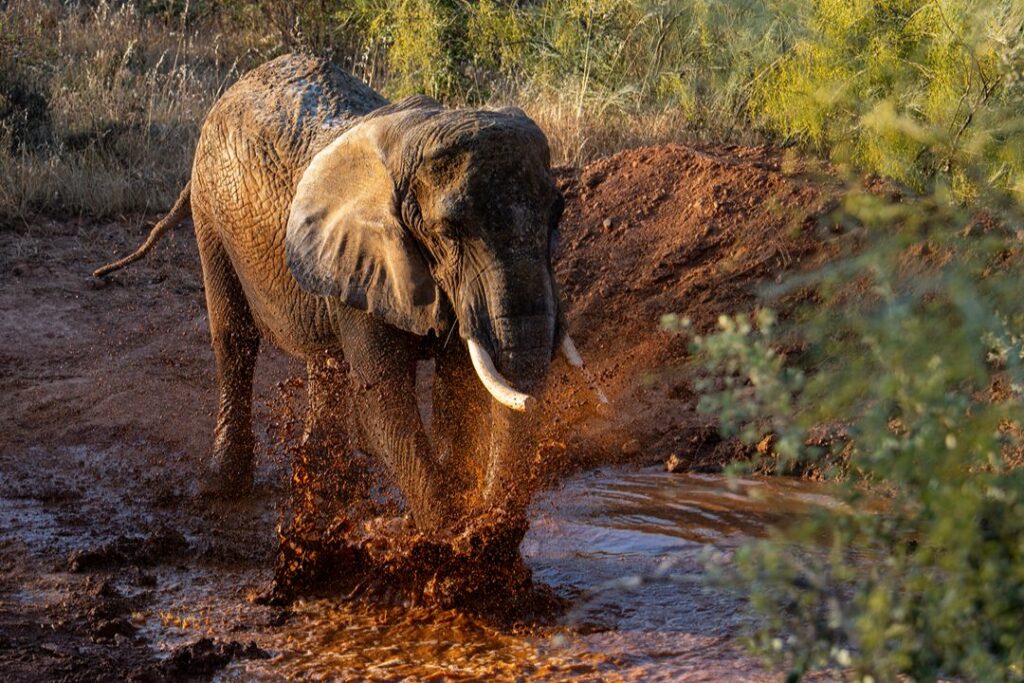
“Many circuses and zoos across Europe are reaching the point where keeping elephants is no longer possible or appropriate, and they need somewhere to turn,” says Kate Moore, Pangea’s managing director. “And it’s going fabulously. After 40 years in chains, within a couple of days, Julie was behaving like a wild elephant again. Taking her first mud wallow and dust bath, and starting to venture far out into the habitat.” The reserve hoped to open earlier in the year, but the winter storms and the time required for licensing delayed the opening.
A retirement plan
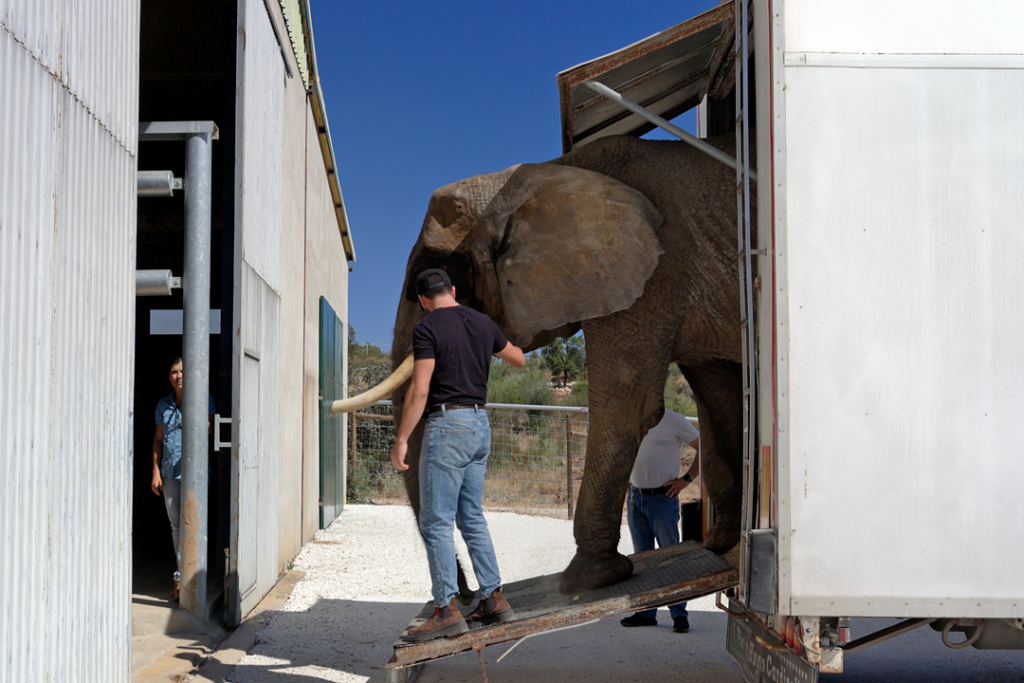
Julie came to Portugal as a calf from Zaire – what’s now the Democratic Republic of Congo – and joined Victor Hugo Cardinali’s circus in 1988. Delicate negotiations led to her resettlement. “Julie has been part of our family for nearly 40 years, so this was not an easy decision, but it is the right one for her,” said circus director Victor Hugo Cardinali. “We wish her a happy life in her new home and we will continue to be involved in her life.” And the family have already been involved in her retirement plan, organising the early morning two-hour move from the Cardinali circus base at Santo Isidro de Pegões, near Montijo, with Pangea’s veterinary team.
Kate, who also runs the British charity the Pangea Trust, which helps fund the sanctuary, explained that moving an elephant safely isn’t done in a day but takes weeks of careful preparation to keep her calm and her stress levels to an absolute minimum. “After Portugal’s ban on wild animals in circuses came into force, and after Julie lost her companion Samba in 2024, the family began looking for the right next chapter for her, and they wanted exactly what we wanted: the best possible future for her.
“It was a hard and emotional decision, and we have real respect for how they approached it. For them, it was also a chance to show how deeply they cared and to mark how the circus itself is evolving. There is genuine heritage and human artistry in that world that deserves to be recognised.”
Members of the Cardinali family have already become regular visitors at the reserve, which straddles the two municipalities of Vila Viçosa and Alandroal, and are delighted with how she’s doing so far.
Back to the wild
What surprised everyone was how quickly Julie settled in and, after so much time in captivity, started behaving like an elephant living in the wild. A huge shelter has been built on the reserve, which the animals can come in and out of as they please. A giant fence surrounds the perimeter.
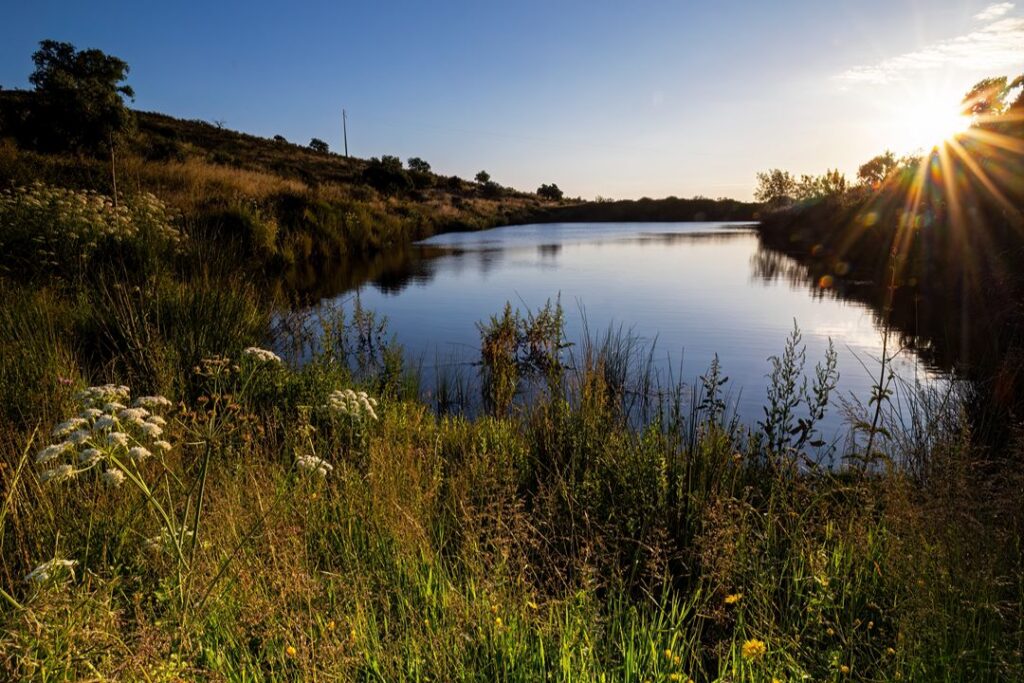
After searching Europe for the ideal location for the first large-scale animal sanctuary, Pangea found the site here in Portugal – a mixed habitat of forest and grassland with a large lake and waterhole. When she first visited, Kate said it reminded her of Zambia, and she was right when she thought the elephants would love it. “Within days she was grazing, wandering in and out of her barn as she pleased, tucking herself behind the trees, and rumbling – those long, low calls elephants make when they’re at ease,” Kate observed. “On the second evening, at sunset, she reached the far end of her first enclosure for the very first time, and she’s grown braver by the day. A week or so on, she gives herself a dust bath every day – her own sunscreen and fly protection – and her skin has completely transformed; you could almost mistake her for an elephant who’d never left the wild.”
But there’s also expert care on hand as elephants of Julie’s age and history often need support for health and mobility problems. Wild elephants can live until they are 70, but those held in captivity often don’t live as long and the sanctuary will provide a place for elephants to enjoy companionship in their later years. They are very sociable animals and Julie has been alone for two years since the death of her circus-performing partner Samba. Her first companion in Portugal has already been lined up.
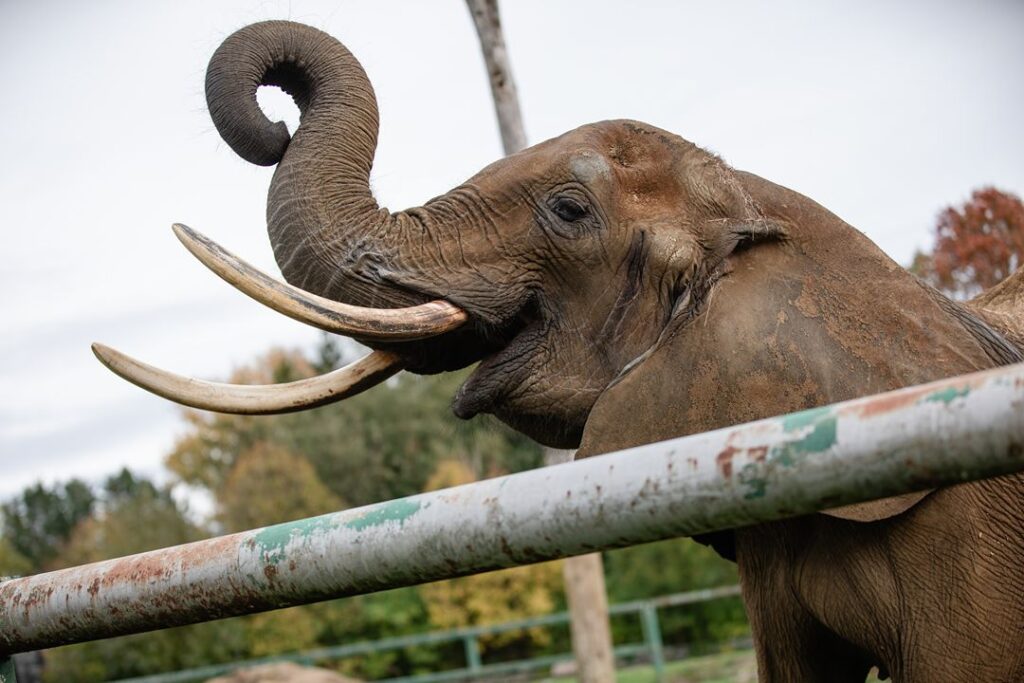
Kariba was captured in the wild as a calf in Zimbabwe and is of a similar age. She lives alone in Brussels Zoo and was due to be the reserve’s first arrival, but a foot abscess needing treatment delayed her travel plans. It’s hoped she will arrive later in the year, but Pangea is also in discussion with other elephant-owning institutions to negotiate their retirement.
Translocating and looking after elephants for many years is expensive – it’s estimated the sanctuary will need around €15 million for its first 10 years – but Pangea has received donations from many people, including the British comedian Ricky Gervais. The park will not initially be open to the public, so the animals can acclimatise to their new surroundings in peace.
Model behaviour
The clash between circus owners and animal rights activists has created a long-standing division which needs to be overcome before relocations can take place. It’s hoped that Julie’s successful transition might become a model for how zoos and circuses can retire their animals.
“Our experience with Victor Hugo Cardinali has been incredibly positive. I think once we reached that agreement, we focused solely on Julie’s welfare and on trying to achieve the best outcome for her … an excellent basis to show that this is how we want to work from now on,” said Kate.
“Sanctuary space now exists in Europe and, where it does, owners have a humane, voluntary route rather than the alternative of confiscation, which would only have been stressful for Julie.
“Approached with respect rather than confrontation, and with the animal’s welfare as the shared goal, it’s a template that could help other elephants still waiting for somewhere to go. To see her this settled, this soon, has been a real joy.”
Alastair Leithead is a former BBC foreign correspondent now living in Odemira, where he and his wife run @vale_das_estrelas, or the Valley of the Stars eco-luxe lodge. He blogs at Off-Grid and Entertaining in Portugal and podcasts Ana & Al’s Big Portuguese Wine Adventure in all the usual podcast places. They are hosting a wine retreat in October this year and in April 2027.
If you’d like to know more about The Pangea Elephant Sanctuary or the Pangea Trust – or even make a donation – you can find them here:
Insta: @pangea_trust
FB: @thepangeatrust
Photos courtesy of Pangea Trust