In this series, James Plaskitt investigates the titans of Portuguese history who have had airports named after them. This month, he investigates the story of Portugal’s assassinated resistance leader, Humberto Delgado, who gave his name to Lisbon airport.
With just four words, uttered in a smoke-filled cafe in Lisbon in 1958, Humberto Delgado electrified Portugal’s politics, secured his place in history, and sealed his own fate.
Delgado was born in 1906 into a military family and pursued the same career, rising quickly through the ranks and earning a reputation for considerable efficiency. As a young officer, he backed the 1926 military coup, which ended the lacklustre First Republic and paved the way for the eventual dictatorship headed by António Salazar. Seen as a loyal supporter of the regime, he published a book in 1933, which was equally critical of republicans and monarchists.
In 1952, he was appointed as military attaché to Portugal’s embassy in Washington, where he was soon promoted to the rank of General, the country’s youngest. Delgado’s politics evolved rapidly during his time in the USA, and he became impressed by its modern democratic methods and vibrant campaigning. The loyal General began to question the legitimacy of the dictatorship entrenched back home in Portugal. In 1957, Delgado was brought back home and appointed Director General of Civil Aviation.
A presidential election was due in 1958. Salazar, who formally held the office of prime minister, had ensured that the presidency was occupied by loyal nonentities, who would cause no difficulties for his government. He handpicked another, Américo Tomás, to stand in the election.
But the underground democratic movement wanted a candidate to go up against Tomás, as this was the only part of the regime subject to election. They urged Delgado, now a convinced opponent of the dictatorship, to be the standard bearer; the once loyal General seemed to offer the most appealing prospect for a successful challenge.
Delgado launched his campaign from a cafe in Lisbon. A reporter asked the much-anticipated question: if elected as president, what would he do about Salazar? “I’ll dismiss him obviously”, was his cool reply. This was a lightning strike into the normally stultifying atmosphere of the Estado Novo regime.
Within days, Delgado was hitting the campaign trail in full American style and crowds numbering in the hundreds of thousands cheered him on at his opening rallies. Behind these ecstatic scenes, Delgado was locked in intense debate with his closest confidants. Should they press on with a democratic campaign, or should they divert the public fervour into supporting a military coup against Salazar? It was Delgado’s decision in the end to scrap the coup option and go all out for a victory at the polls.
But the panicked regime had other ideas. The secret police, PIDE, began infiltrating Delgado’s team, disrupting his rallies, intimidating supporters, and generally threatening all those around the candidate.
When the votes were counted and published after the June 1958 election, Tomás had received 759,000 against 236,000 for Delgado. The regime had indulged in massive vote rigging. In quiet rural areas, Delgado was usually ahead, but in the main urban centres, where PIDE agents had been busy stuffing the boxes, he was far behind.
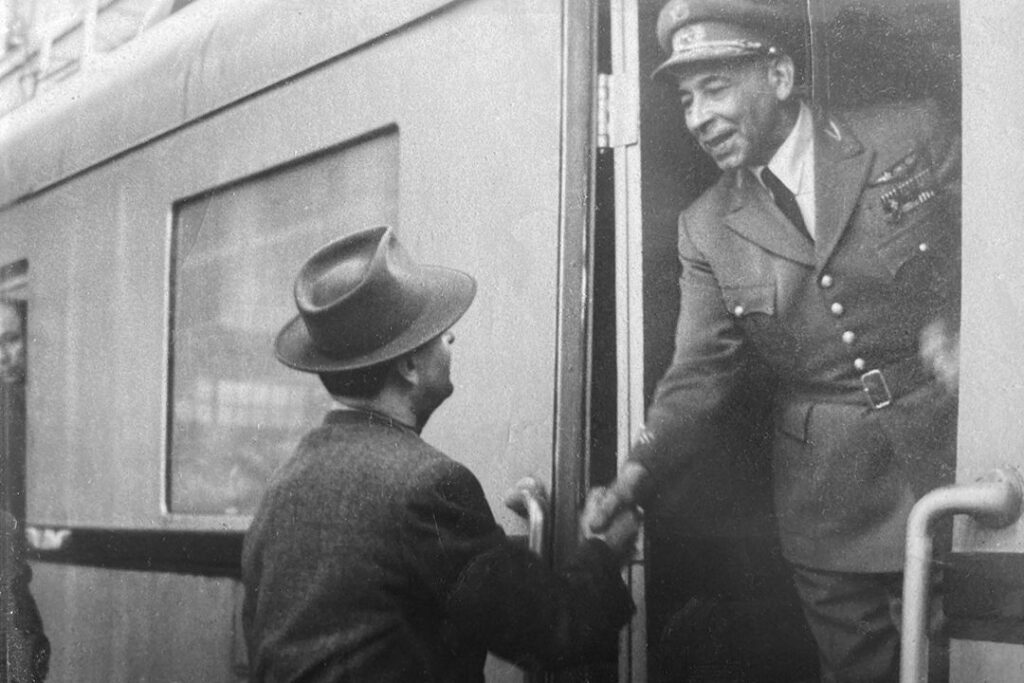
Still intimidated by agents of the regime, Delgado sought asylum, initially in Brazil. He eventually made his way back to Europe and, in Rome in 1962, founded the National Liberation Patriotic Front, designed to marshal together all the forces determined to end the Salazar regime.
In 1965, he was in Spain, where he was tricked into attending a meeting, allegedly with supporters of his movement, but in reality set up by PIDE agents, who immediately assassinated him and dumped his body in a ditch, only to be discovered two months later.
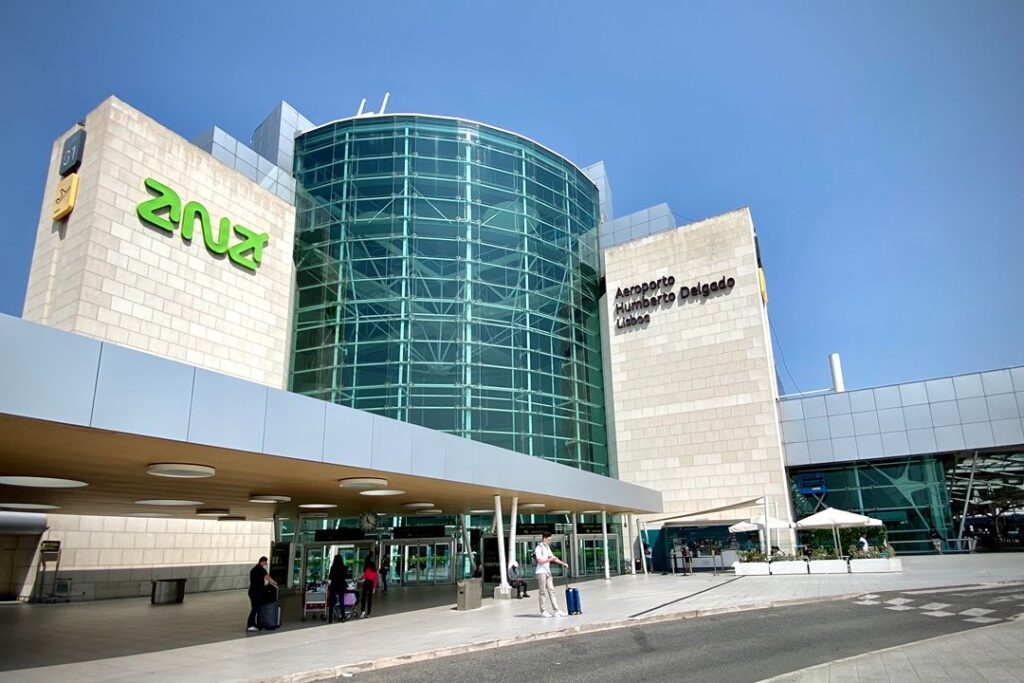
Since the 1974 Revolution, Delgado has been seen as a hero of the resistance to dictatorship, and in 2016, the Lisbon City Council decided to name its airport after him.
James Plaskitt is a retired politician who was a member of the British Parliament from 1997 until 2010. He now lives in the Algarve.
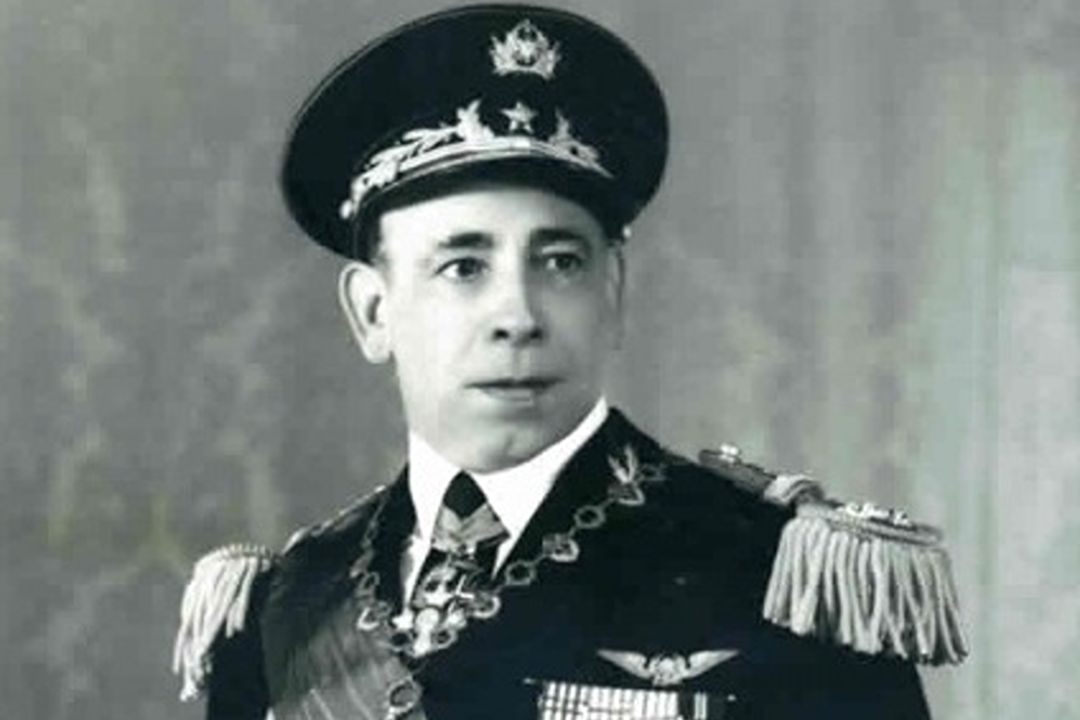
Main photo: General Humberto Delgado, Public domain, via Wikimedia Commons