The Heat of the Algarve
We are now sadly all too familiar with the realities of hot European summers. Record temperatures scorch the landscape, and it only takes a rogue spark to light it like a tinderbox. Every summer, the news reels show the brave firefighters who have to confront the horror of these raging infernos.
It was with such images in mind that I accepted the invitation to visit the fire station in Aljezur (Bombeiros Voluntários de Aljezur), where I uncovered a different narrative. A story of intergenerational community service, the camaraderie of the regional bombeiros and volunteer firefighters and how this tradition has evolved.
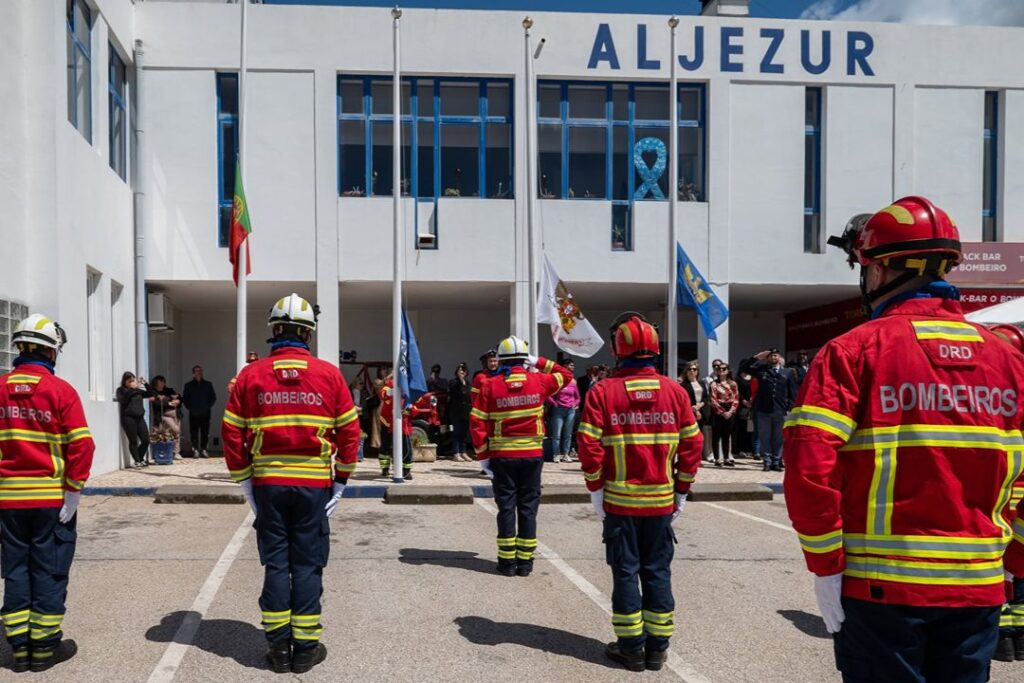
A family calling
I was warmly greeted by Carlos Vieira, the Adjunto de Comando (deputy commander), who has been a firefighter since 1992 and followed his father and uncle into the service. He has a warm and friendly demeanour and, despite running the busy fire station, is more than willing to tell me everything about how the Aljezur bombeiros operate. A few worry lines and tired eyes are the only giveaways of the stresses of his job.
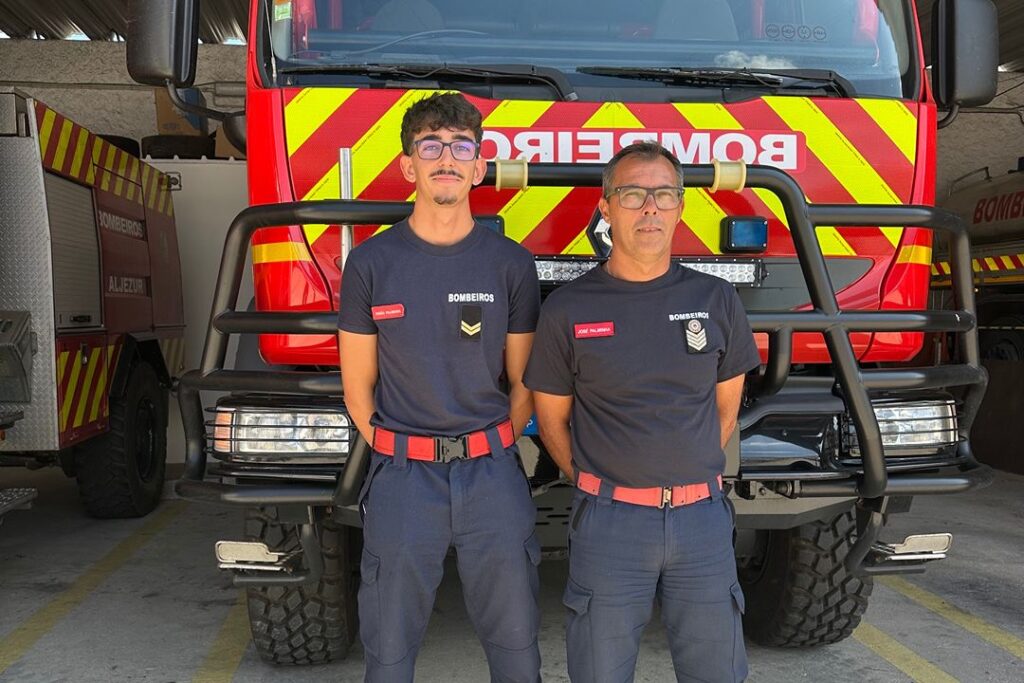
Nineteen-year-old Simão Rodrigues Palminha also joins us to give a youthful perspective. The association’s cadet school (Escola de Infantes e Cadetes) recruits young children from as young as six to learn about volunteering and civil protection, and was officially founded on 14 January, 2017. Simão joined the cadet programme at 10, but his journey began before that, when he absorbed the values of courage and dedication by watching his father and listening to his stories from a young age. “I wanted to become a firefighter because of my father and the stories he told me when I was a kid. It’s my passion.”
The deputy commander, Carlos,was also influenced by his own father and uncle to join at age 14. He believes joining the fire service is not just an extracurricular activity but a passing down of essential human values from one generation to the next. “Being a firefighter is something I learned from my father since I was little. By watching him help others, I learned values like courage, dedication and the spirit of mutual help. Following in his footsteps is not just continuing a family tradition, but also carrying with me the lessons and values he passed on to me.”
After attending university, Simão has just transitioned from volunteer to a professional. Later on, I am introduced to his father, José Antonio de Silva Palminha, who joined as a volunteer in 1998 before becoming a professional in 2001. He tells me he is “very proud”.
Igniting the spark
The ‘youth of today’ get a somewhat bad press. Gen Z are often portrayed as lazy underachievers addicted to social media, so what drives young Algarvians to volunteer in an era of digital distractions? Carlos’s perspective is that “the fire station offers a vital alternative to smartphones, teaching youth respect, organisation, and basic emergency skills.”
From Simão’s teen perspective, “What motivates young people to be volunteer firefighters is the adrenaline and the respect for saving lives that is gained by seeing someone act to save others.” I also observe a familial bond in the body language between Simão and his boss. Carlos has watched him grow up, and there is no doubt that, as in any other service where your life can depend on your colleague, there is a tight-knit camaraderie that is hard to replicate in other areas of society. Simão explains, “We are basically a second family for everyone. We treat each other in the same way that you would treat someone in your family.”
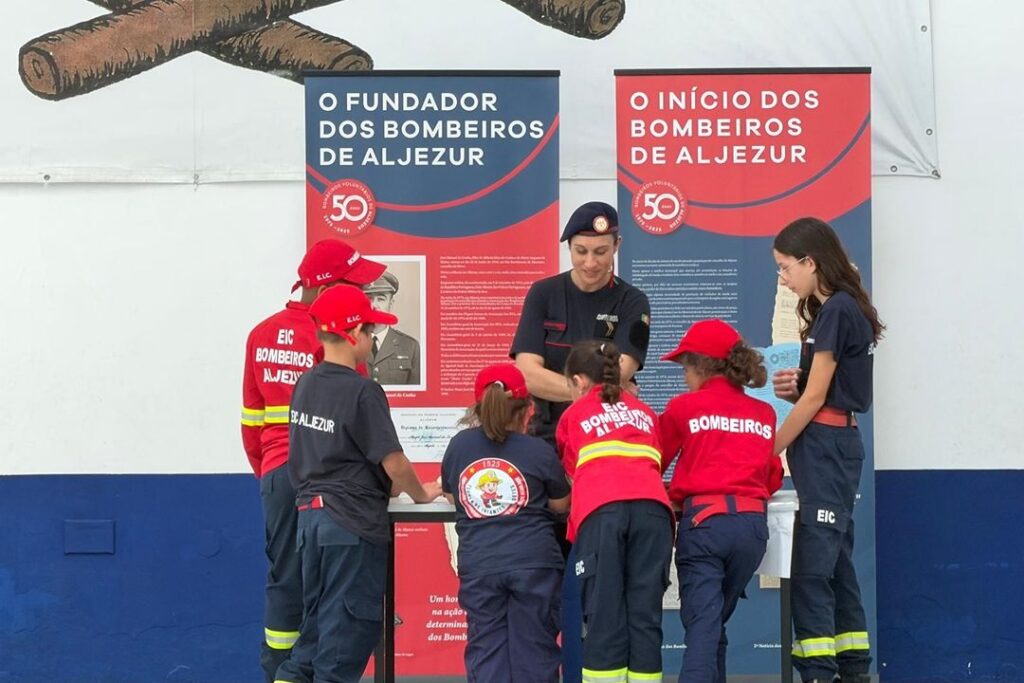
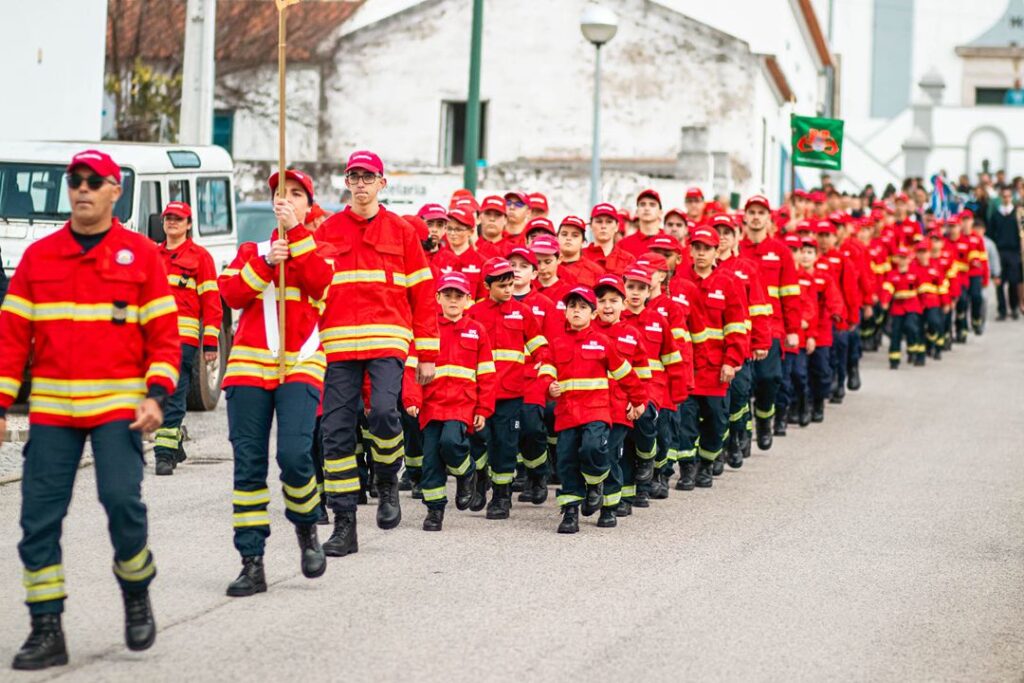
Cadets
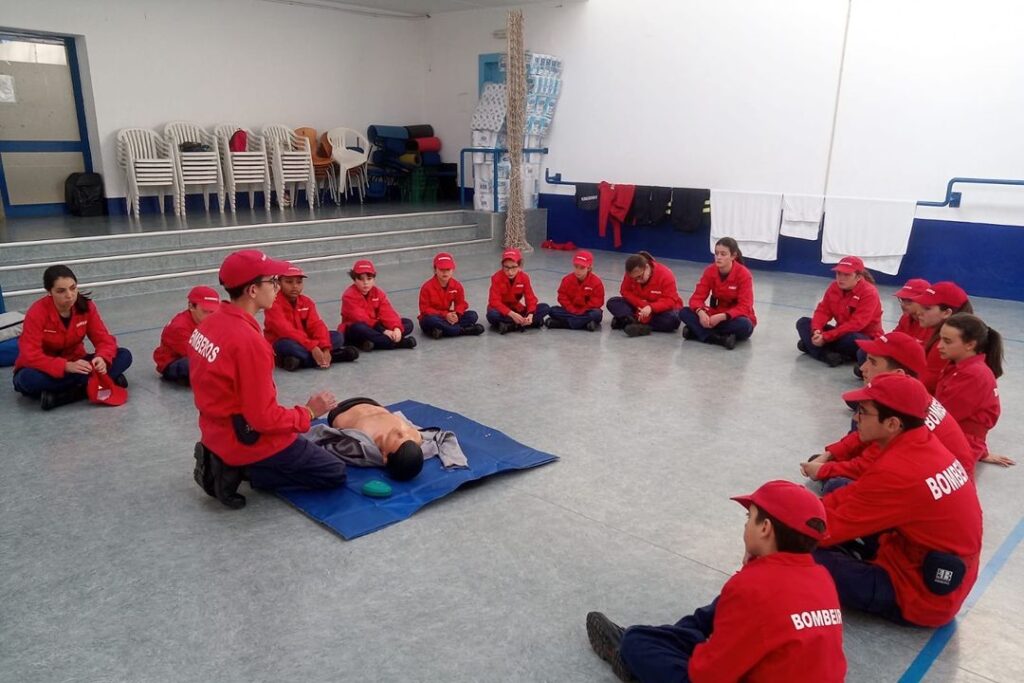
Community and sacrifice
If you don’t live in the Algarve, you may find the concept of volunteer firefighters an alien one. In Portugal, the vast majority of fire stations operate with a mix of professional and volunteer staff, while fully professional fire stations are primarily located in large cities.
The Algarve features four fully professional, municipal-run fire departments (known in Portugal as Bombeiros Sapadores or Bombeiros Municipais) in Faro, Loulé, Olhão and Tavira. Unlike the standard volunteer associations (Bombeiros Voluntários) that rely heavily on unpaid personnel, these four stations are integrated into their local city councils, meaning the firefighters are 100% salaried, full-time public servants.
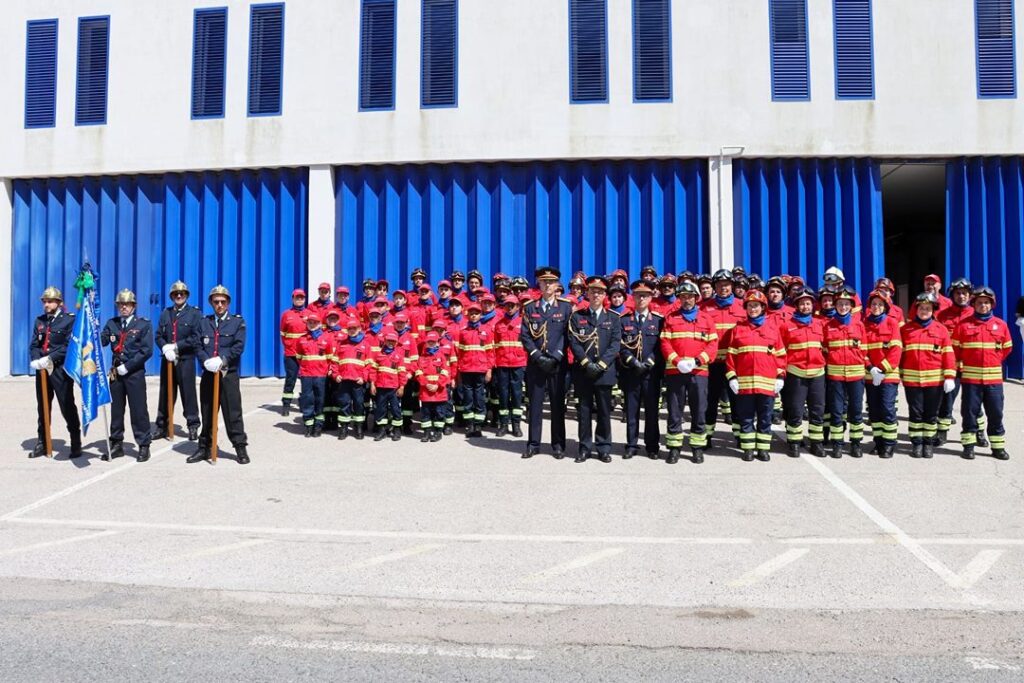
Aljezur is run by the association O Corpo de Bombeiros Vasco Marreiros, along with municipal and state funding, and has 88 firefighters, with approximately 34 to 36 being contracted professionals and the remainder serving as unpaid volunteers. These volunteers typically maintain regular jobs during the day and cover 12-hour night shifts (8 pm to 8 am) during the week, as well as day shifts on weekends.
The reliance on volunteer associations stems from a historical lack of government capacity to provide emergency services in every village. Because rural communities recognised they needed immediate assistance nearby, they formed local associations to take on the responsibility of emergency protection. Additionally, the National Institute of Medical Emergency (INEM) handles medical emergencies in Portugal, but, because it does not have the resources to place ambulances in every village, it delegates local medical emergency responses to these volunteer fire stations.
While the government and municipalities provide some funding, it does not cover all expenses, meaning these associations heavily rely on public fundraising and charity to survive. Carlos hopes in the future that this will change: “I think the government should take over the funding of all fire stations. I think all Portuguese citizens, and all around the world, should have the same protection. Even if you’re in a small rural community or a city.”
In 2025, the League of Portuguese Firefighters (Liga dos Bombeiros Portugueses) pushed for a minimum baseline allocation of €49.38 million, arguing that state proposals fell short, leaving regional humanitarian associations financially strained. Local corporations frequently campaign for reimbursement of emergency operational costs incurred during severe rural fire waves, pointing to millions in uncompensated local deficit. In 2026, the government responded with incremental adjustments, including a 23% hike raising monthly subsidies for specific emergency medical posts to €10,800, alongside targeted private-sector and EU-backed regional prevention framework injections, but this still falls short of what is needed.
Fetch the engines
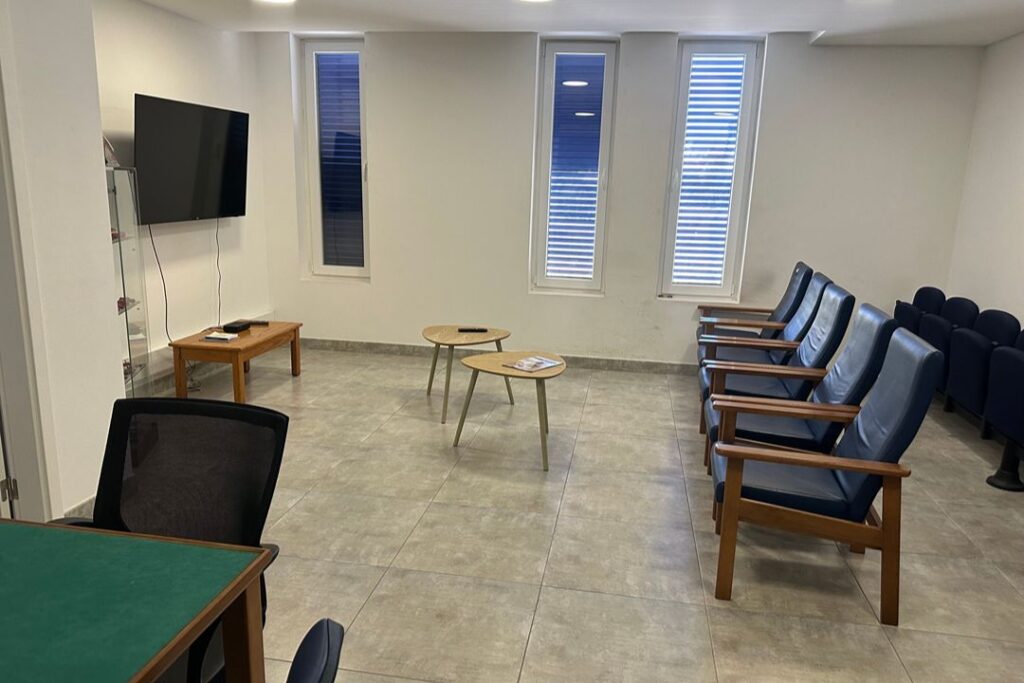
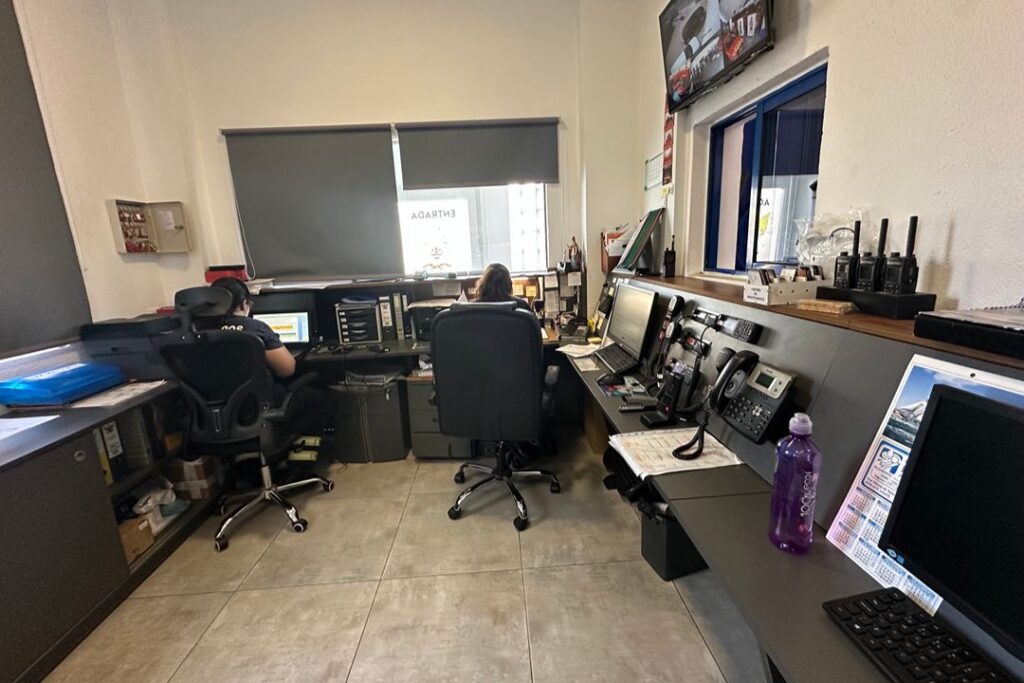
Before I leave, I am given a tour of the fire station and note that Carlos runs a tight ship; everything is immaculate. We pass a couple of dormitories where the night shift can get some rest until they get a call out. A common room offers a place to relax in between emergencies and an incident room is manned by two ladies taking calls. There are also the training rooms where recruits complete their year of training before they qualify. To generate income, the association also operates a fuel station (Posto de Combustível) and a multipurpose pavilion (Pavilhão Multiusos), which is available for rent.
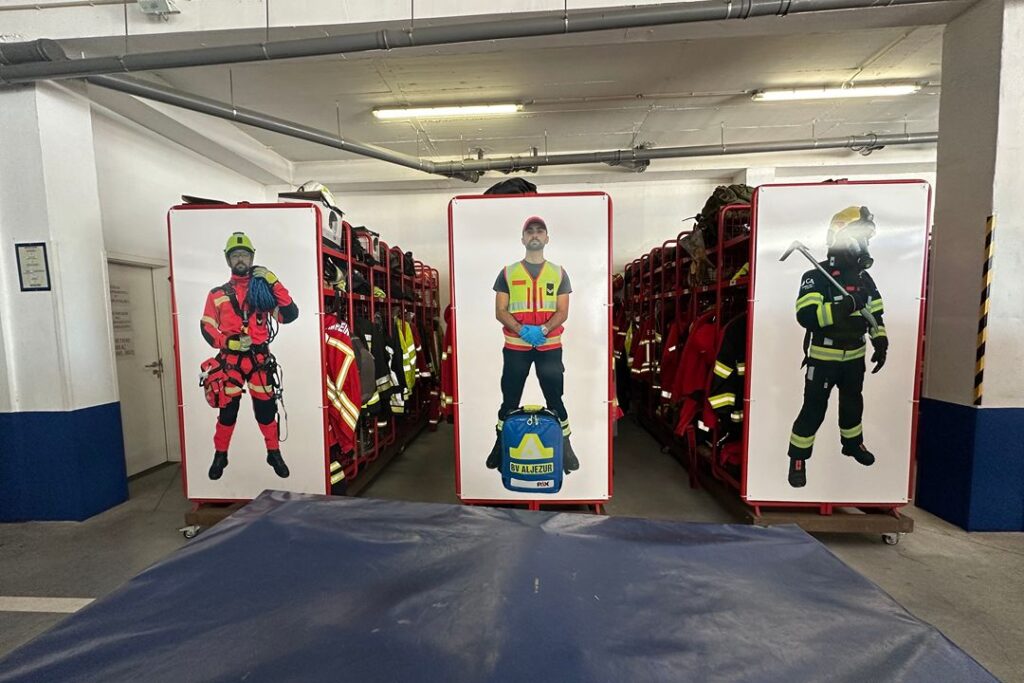
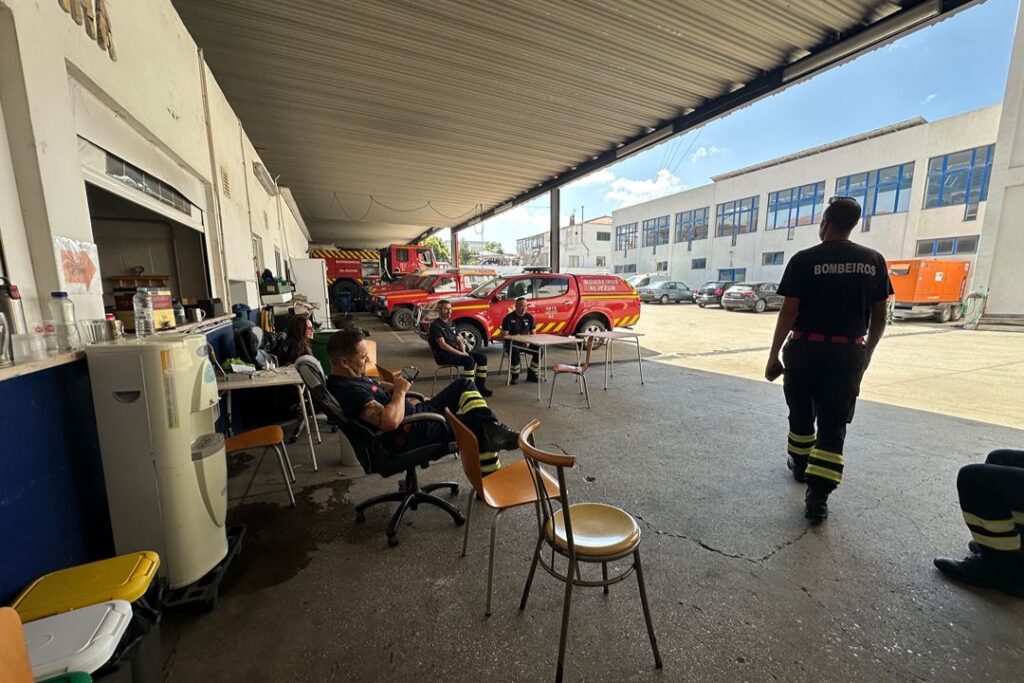
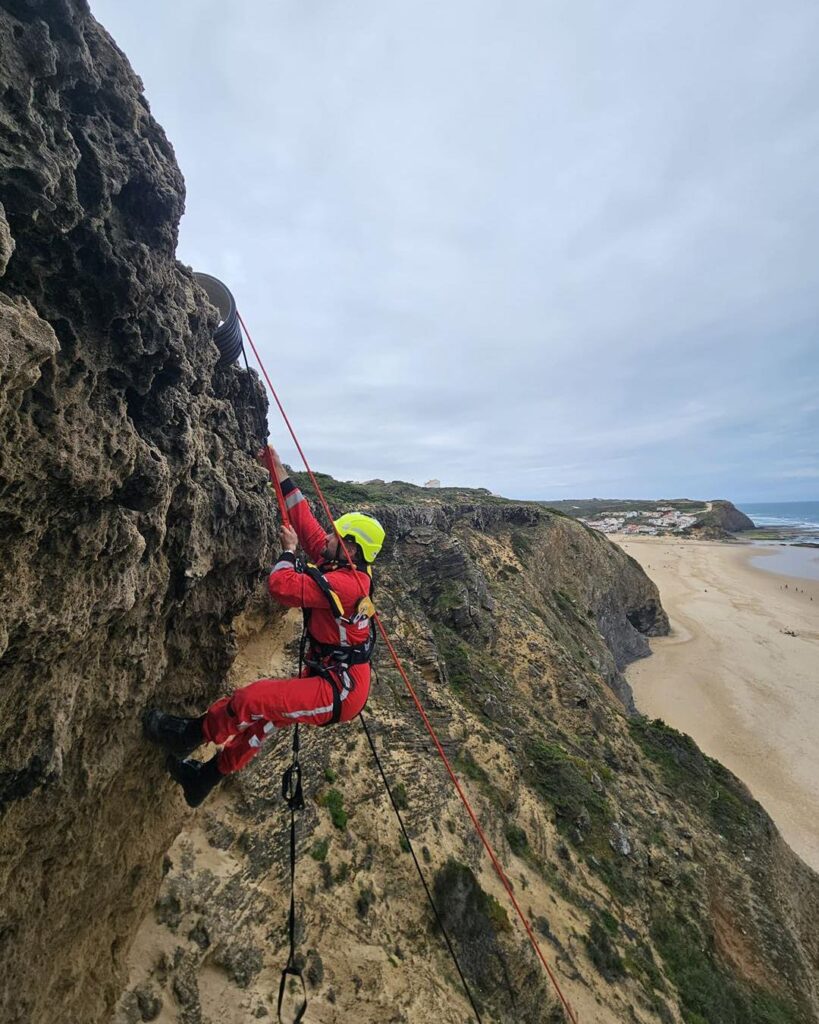
We move out to the yard, where those on duty relax on chairs in the shade, sharing jokes, not knowing what emergency they may be called out to. You may not know that their job goes far beyond wildfires. They handle cliff rescues, animal rescues, medical emergencies and car accidents. We take a look at the fire engines, which are impressive vehicles with massive four-wheel drive tyres that can get into the sort of rural areas where wildfires start. To accompany them is a massive truck with a water tank needed in areas where there is no water supply. They also have the medical emergency response vehicles and a small fire engine for urban areas, along with a vehicle for coastal rescues.
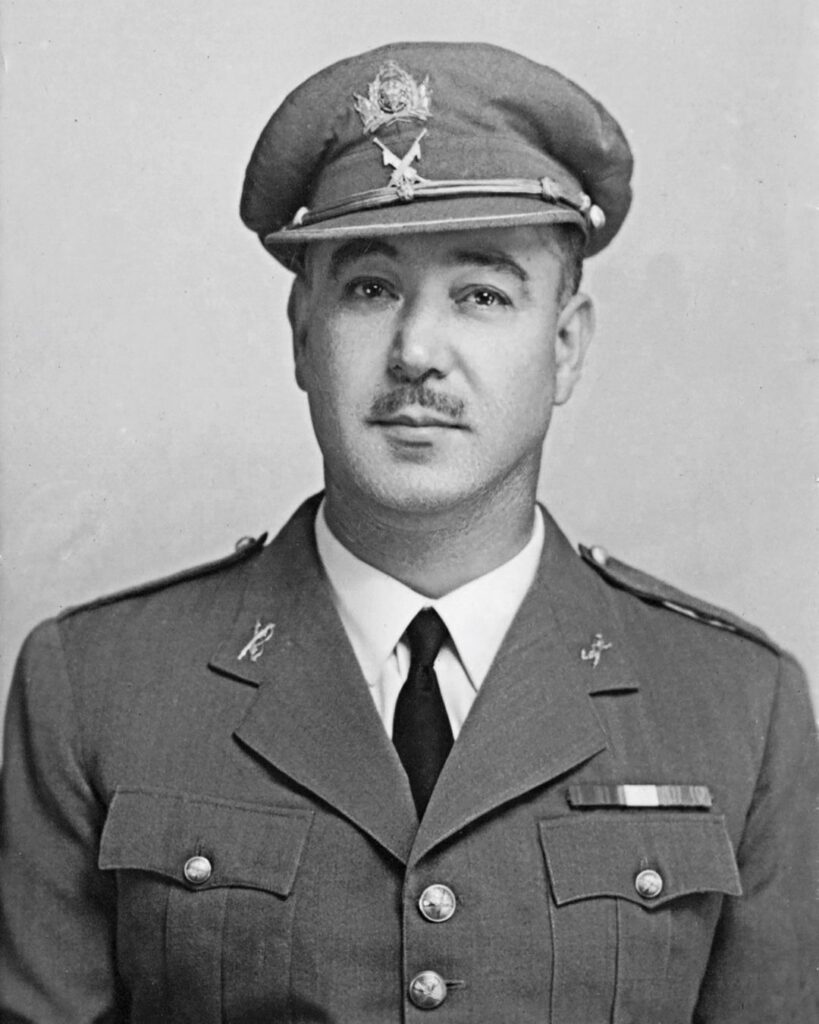
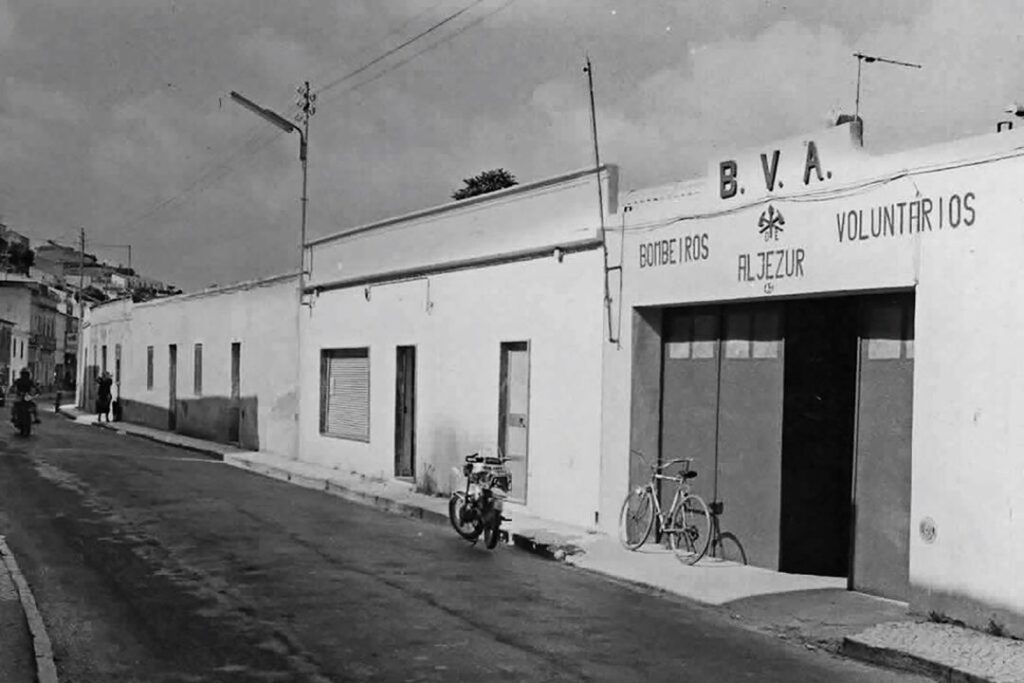
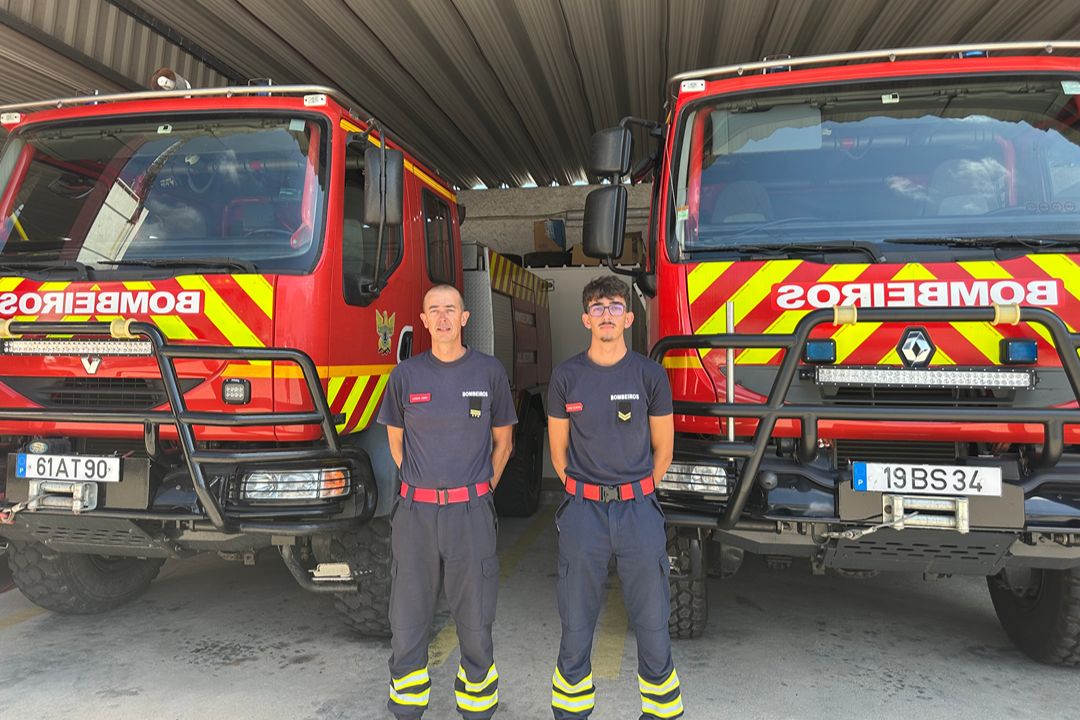
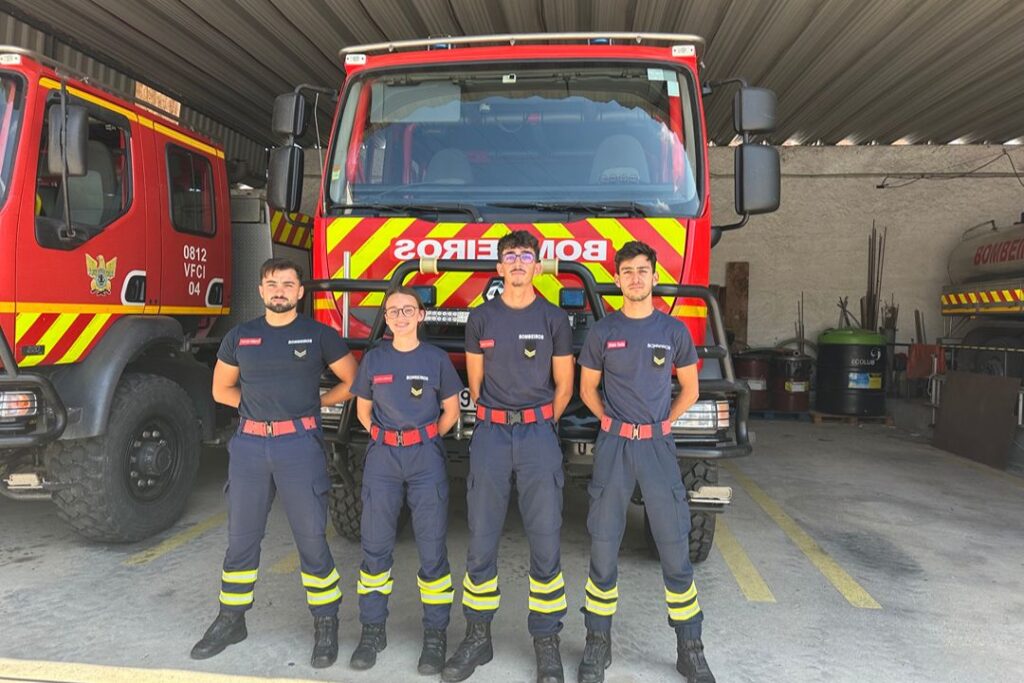
I ask the youngest recruits to line up for a photo in front of the fire truck and their youthful enthusiasm shines through. I reflect that while it is right that we should be very aware of the danger and risk of wildfires, the community should feel proud and safe in the hands of the dedicated team that protects us from them.
My journey to the Aljezur fire station has revealed not just an emergency service but an institution firmly rooted in values of community, commitment and care.
To support the Aljezur bombeiros, you can become official members of their association, make direct donations, or support them by using their commercial services, such as buying fuel at their gas station or renting their multipurpose pavilion.
The IBAN to donate via bank transfer to the Aljezur volunteer firefighters (Bombeiros Voluntários de Aljezur) is PT50 0045 7020 4000 6899 2062 4. For more information, visit the Bombeiros Voluntários de Aljezur Donativos Page on their website: bvaljezur.pt
Main photo: Deputy commander Carlos Vieira and Simão Palminha
Running For Our Heroes
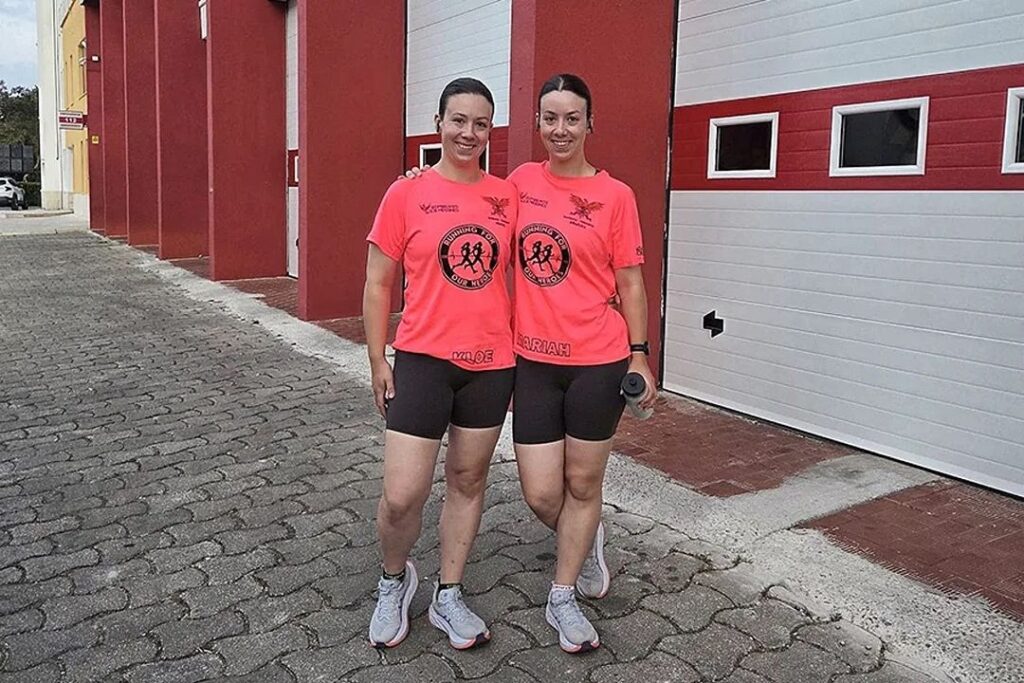
As readers of Tomorrow magazine know, the Algarve community thrives on local heroes and those who support them. Enter Mariah and Kloe, twin sisters originally from England who fell in love with Portugal after years of holidays and relocated here in 2018. Over the years, they have developed a deep appreciation for the incredible, year-round work of Portugal’s volunteer firefighters, the Bombeiros, who sacrifice their time to protect our communities.
To give back, the sisters have launched “Running For Our Heroes,” an inspiring fundraising initiative. On 12 September, Mariah and Kloe will be lacing up their running shoes to take on a 30 km charity run. The route will take them from Salir directly to the Albufeira Bombeiros station, with all funds raised supporting the volunteer Bombeiros of Albufeira and Messines.
This isn’t their first incredible feat. Last year, thanks to tremendous community support, the sisters raised €5,000 for the Albufeira Bombeiros during a half marathon. Through community raffles, they also secured €1,000 for much-needed items in the station’s mess room and have raised an additional €1,500 this year for essential fire season supplies like water. Currently, the sisters are documenting their training journey online and are even working toward becoming a registered charity.
You can support Mariah and Kloe by visiting their website or by donating directly on their 4fund.com page. Let’s get behind these runners as they support the brave individuals protecting our region!