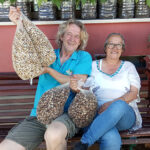
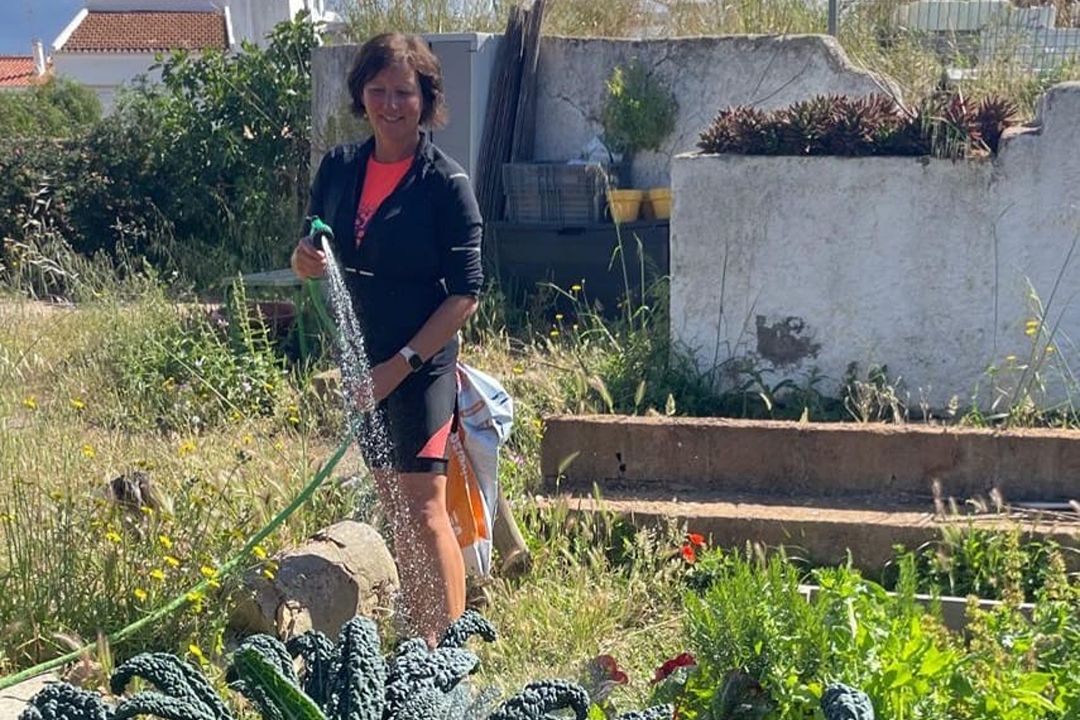
Hi, Gilly and Jayne here. We have been busy planting out and our beds are filling up nicely. We have tomatoes, onions, fennel, peas, broccoli, pak choi, courgettes, squash, aubergines, dwarf beans, lettuce, cauliflowers, peppers and chillies, and there is more to come – we are looking forward to future fresh feasts, but unfortunately so are the pesky snails and other pests! Last year, our main culprits were ants, aphids, cabbage white butterflies, shield bugs, slugs and snails. So, focusing on these, this year we are making a concerted effort to understand and deploy a range of organic and eco-friendly ways to control them.
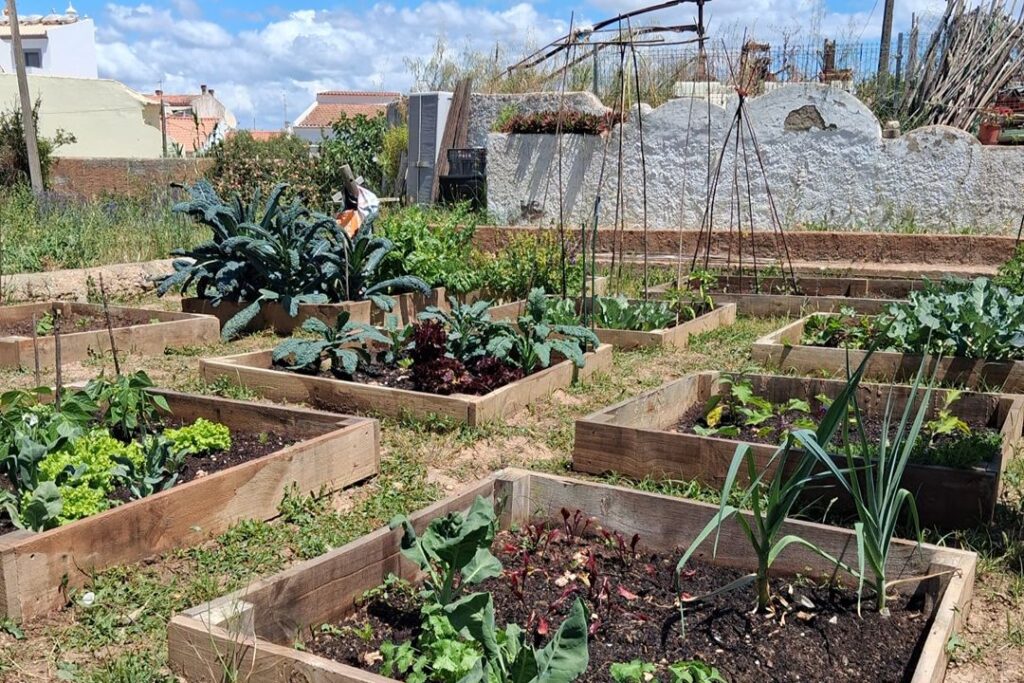
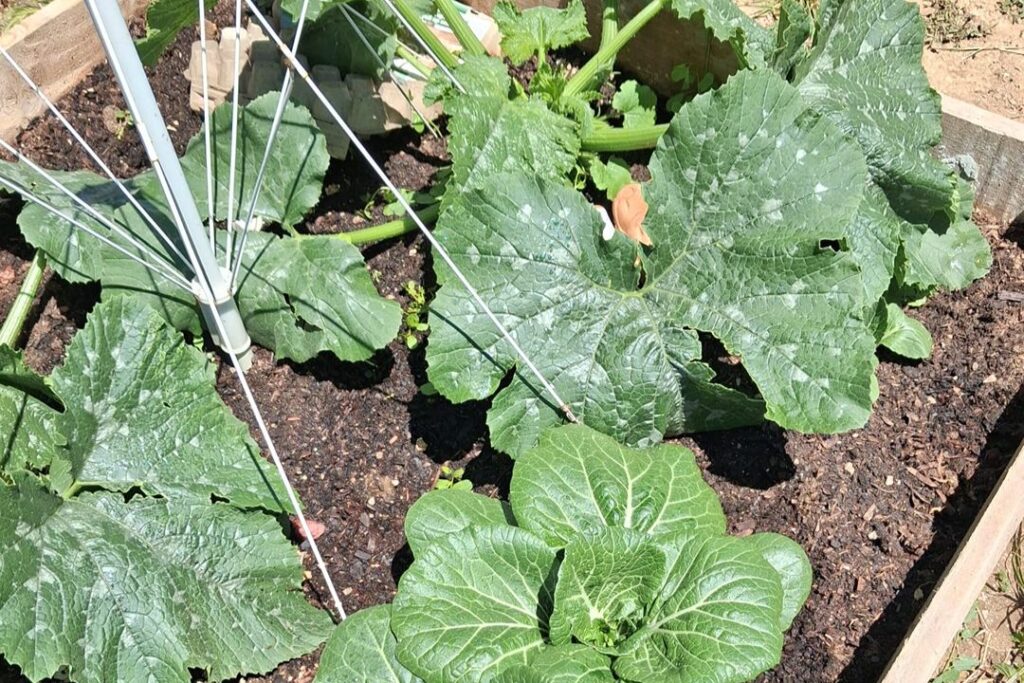
We hope that by adopting a balanced approach to preventing, monitoring and controlling, we can keep on top of our visitors and enjoy bountiful crops throughout the summer – just off to get some neem oil and nematodes, catch you next month!
The Problem
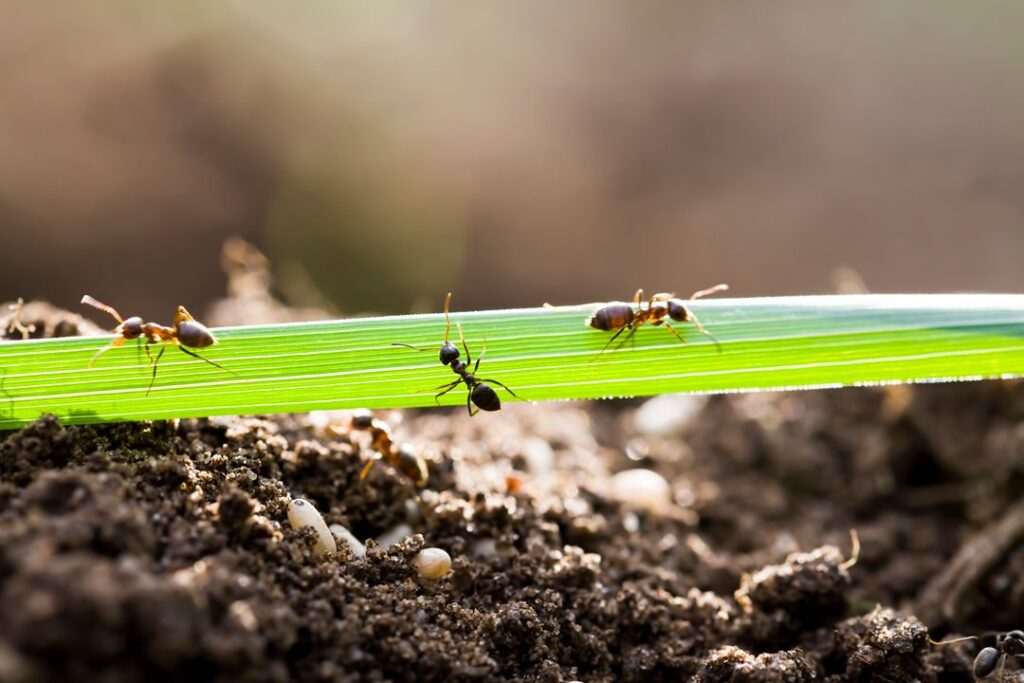
Ants, normally harmless and a few black ants around your plants are fine, but obvious nests require action!
Prevention Strategies
- Maintain a tidy plot by removing potential food sources (fallen fruit/bird food) and nesting sites (debris). Manage the aphid population as they attract ants.
Control Strategies
- Use diluted cold-pressed neem oil as a natural insecticide, sprayed directly onto the suspected nest.
- Buy nematodes, minute worms that release bacteria, target the larvae, disrupt the life cycle and over time reduce the population.
The Problem
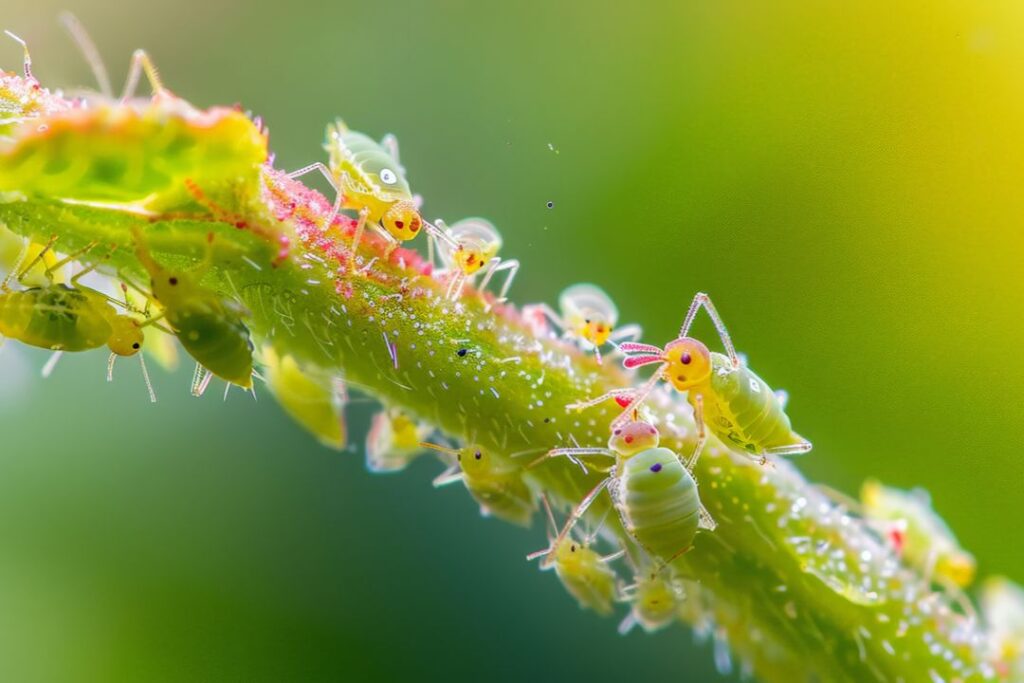
Aphids are small insects that damage plants by sucking sap from the leaves and stems; they reproduce rapidly and can infest plants very quickly.
Prevention Strategies
- Plant dill and fennel to encourage natural predators, such as ladybirds into the allotment to control numbers.
- Plant marigolds, nasturtiums, lemon balm, or basil to repel the aphids, especially near tomatoes and potatoes.
Control Strategies
- Use a diluted soap solution to wash aphids off the plants without damaging them.
- Use a natural insecticide, such as pyrethrum (made from chrysanthemum flowers).
The Problem
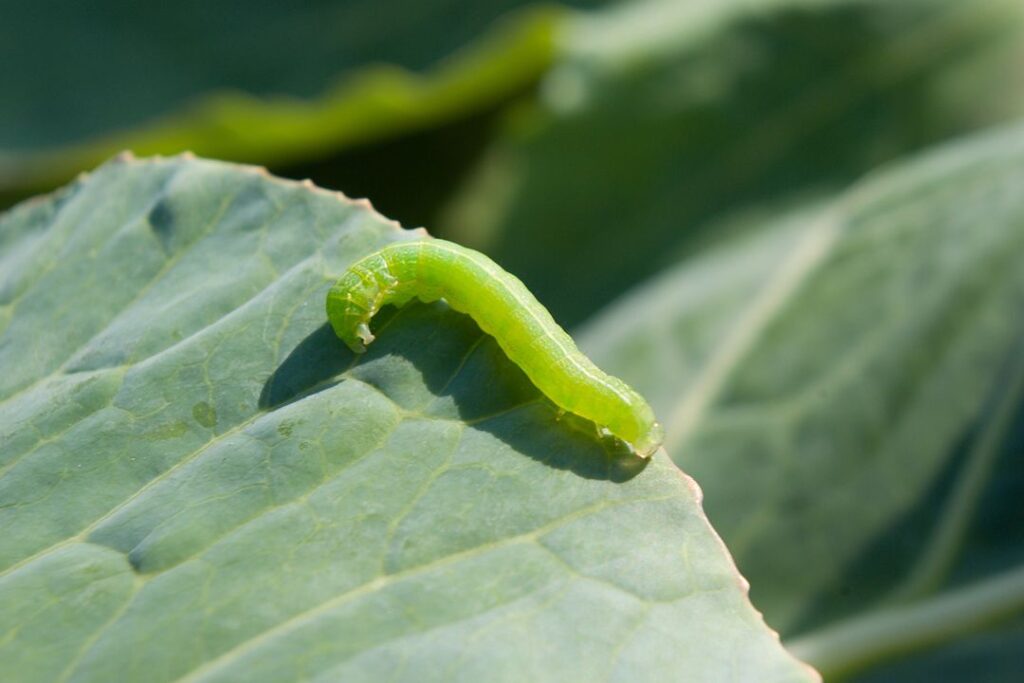
Cabbage white butterflies lay eggs on brassicas; when the larvae hatch, they are notorious for stripping the leaves and destroying the plants.
Prevention Strategies
- Monitor leaves and remove the eggs before they hatch.
- Encourage natural predators, such as birds and hedgehogs to control the caterpillars.
- Plant nasturtiums as a trap crop, luring them away from other vegetables.
- Plant lavender to repel them.
- Create a physical barrier by covering plants with a fine mesh netting, which still allows sunlight and moisture in.
Control Strategies
- Use a natural insecticide, such as bacillus thuringiensis, a soil bacterium that is toxic to caterpillars but safe for other wildlife and plants.
- Spray diluted neem oil onto leaves; it disrupts hormones affecting the female’s ability to lay eggs (apply in the evening to prevent pollinator harm).
The Problem
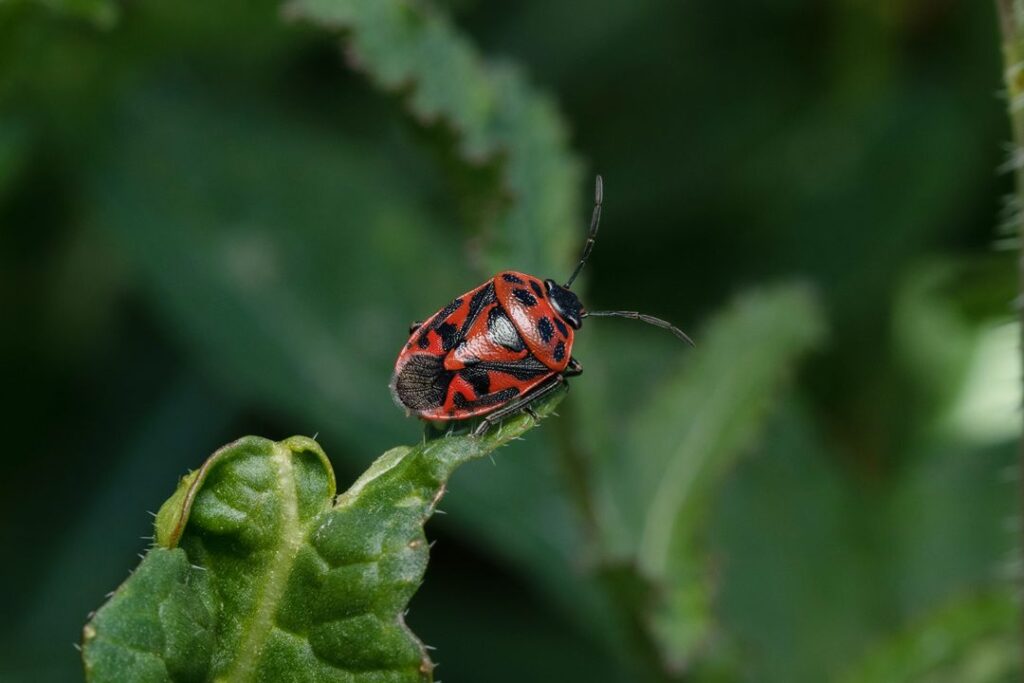
Shield bugs, new to us, have flat backs (like shields) with red and black markings; they bask in the sun, feed on and cause stress to plants.
Prevention Strategies
- Handpick them off your plants as you see them. Wear gloves, as they have scent glands that may release a pungent but harmless liquid.
- Plant borage or lavender to attract beneficial insects and repel the bugs.
- Plant calendula, sunflowers or mustard as a lure crop.
Control Strategies
- Set diluted soap water traps (sink small containers near affected plants).
- Use a diluted neem oil spray.
The Problem
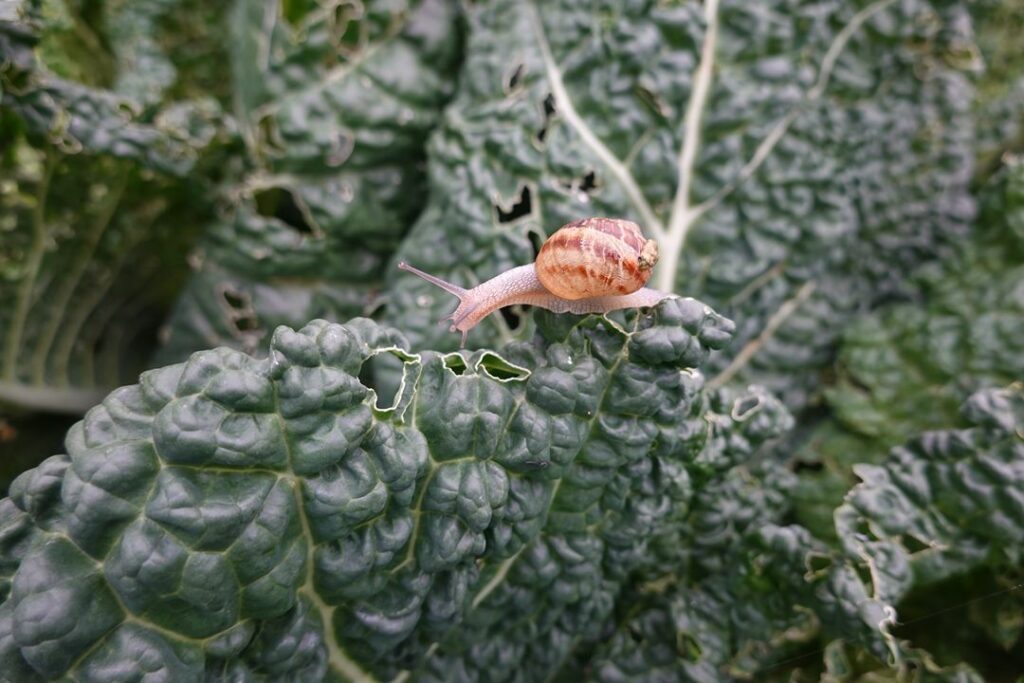
Slugs and snails are molluscs that feast on seedlings and young plants, especially lettuce, beans, courgettes and root crops; common pests that are most active at night and favour moist conditions.
Prevention Strategies
- Monitor and remove eggs from the underside of leaves as soon as you see them.
- Create barriers around plants with copper (tape/coins), eggshells, wood ash or sand.
- Go night hunting with a torch to remove active pests.
- Water in the morning to reduce moisture on foliage at night.
Control Strategies
- Set beer traps.
- Lay grapefruit halves or melon skins out for them to gather under, making it easier to collect and remove them.
- Introduce nematodes, whose bacteria are fatal to slugs, which they then feed on.