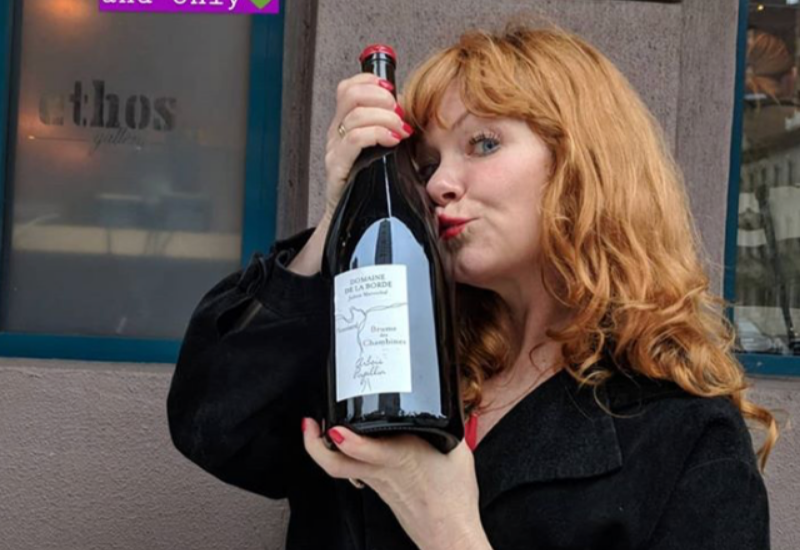
What do you do when you arrive at a Christmas party and you realise one bottle isn’t enough!? Well, I have come to your rescue with a crowd-pleasing solution. Large-format bottles: why you should get your hands on one or two – and where to find these gorgeous creatures.
A short history of kings, biblical figures, myths and magnificence
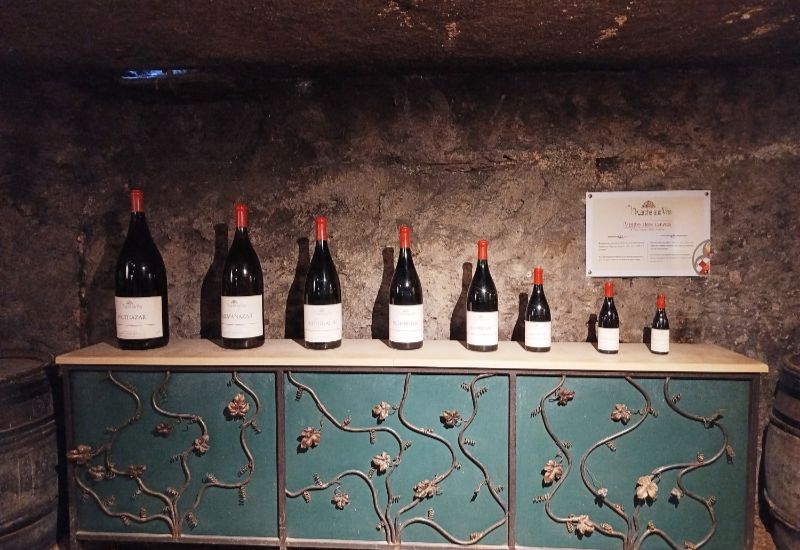
At the smaller end of the large-format bottles, the names are Jeroboam, Methuselah and Salmanazar – they sound more like ancient rulers than wine vessels. Have I piqued your interest yet?
Many of the large-format wine bottle names are, in fact, borrowed from biblical and historical figures, mostly kings of ancient Israel and Mesopotamia (the cradle of wine culture). The tradition of these large-format bottles and their names is believed to have started in 18th and 19th-century France, where producers wanted to emphasise the magnificence and assured ageing potential of their most prestigious wines.
The names behind the bottles:
Jeroboam (3–5L) The first king of the northern Kingdom of Israel after the division of Solomon’s empire. The name implies authority and boldness.
Rehoboam (4.5L) Son of Solomon and king of Judah. Used exclusively in Champagne, the bottle echoes his regal status.
Methuselah (6L) A biblical patriarch from the Old and New Testaments who lived a Guinness World Record 969 years – fitting for a bottle designed to age gracefully over time.
Salmanazar (9L) A powerful Assyrian king. His name suggests scale and might, perfect for a bottle that holds a full case of wine (12 bottles).
Balthazar (12L) Traditionally, one of the Three Wise Men (Magi, the King of Macedonia) brought the gift of myrrh. This gorgeous glass creature is indeed a gift.
Nebuchadnezzar (15L) The longest reigning king of Babylon, remembered for his conquests, power, and legacy – an undeniable show of force!
Size does matter!
Why do wine producers choose to age some of their wine in large-format bottles?
The greater volume of wine to air slows the oxidation process, helping wines age more slowly and gracefully, and to develop greater complexity. Slower ageing can yield a more consistent, vintage-specific and harmonious flavour profile in the bottle as the wine evolves more gradually and evenly than their counterparts in standard 750ml bottles. This slower evolution not only helps preserve the primary and secondary fruit notes and the wine’s inherent structure, but also allows complex aromas to develop over an extended period. For collectors aiming to cellar wines for a decade or more, large-format bottles offer better, more reliable longevity, a more stable ageing platform, and often a more refined drinking experience when the wine is finally opened.
Wine producers often use the large-format bottles for their best vintages or their most esteemed, premium, high-end wines. This tradition has created an association between large bottles and high-quality, collectable wine. Typically, the wines that benefit most from long-term ageing in bottle are Barolo, Barbaresco, Super Tuscans, Premium Cabernet Blends, Bordeaux and Champagne. The most important elements in wine that allow it to age gracefully and even more so in large-format are acidity, tannin (from skins, stems, pips or barrique), level and balance of alcohol and fruit that is in balance with the other elements. Champagne, for example, a wine known for its mouthwatering acidity and equaline structure, frequently uses large formats, especially Magnums and Jeroboams, for their slow beneficial ageing potential.
The most personal – and therefore best – reason to buy wine in large format is to create an even more festive occasion because they are the penultimate symbol of celebration! Epic names like Nebuchadnezzar and Balthazar, which echo ancient biblical figures and royal kings, only add to their mystique and prestige, and the larger the bottle, the more people it takes to lift and pour it, creating a party and a show all on its own!
In this case, size does matter! The larger the format, the more these unicorn bottles serve as visual centrepieces for dinner parties and milestone celebrations. Let’s talk about bringing a holiday gift to your friend’s or family’s home and it is a 12-litre Balthazar full of delicious wine. You will surely be congratulated for your contribution to the party and remembered for many celebrations to come.
Where can you buy large-format wines??
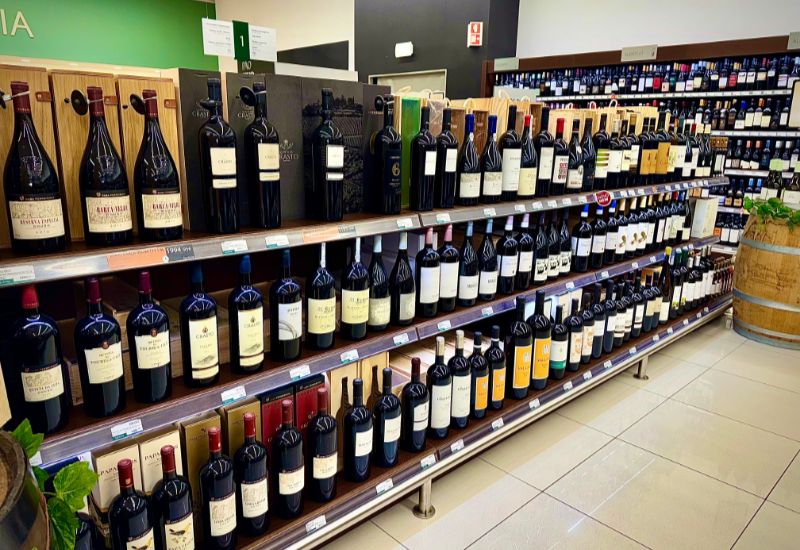
Large-format bottles are rarer for producers here in Portugal, so you may only find a few of your favourite Portuguese wines in large format. The places I’ve come across that have them nearly year-round are Intermarché and Apolonia. You can also find a few yummy Portuguese magnums at Bio Sabor in Lagos right now, in their dry goods section, at Garcias and at Wine and Co.
At the moment, the location with the biggest and, in my opinion, best selection is Apolónia. For a wine lover, it is a one-stop shop for everything I need to host a wine tasting or dinner party. They even have a party launching large-format bottles of wine and Champagne!
Which large-format bottle should you get for the Christmas or holiday lunch table?
After a recent trip to Apolónia, I found they had an entire row dedicated to large-format wines. While many other stores and shops carry a magnum or Jeroboam or two, Apolónia has the most extensive selection.
They have magnums of Casa Ferreirinha Esteva Douro 2023 that cost under €15 each!
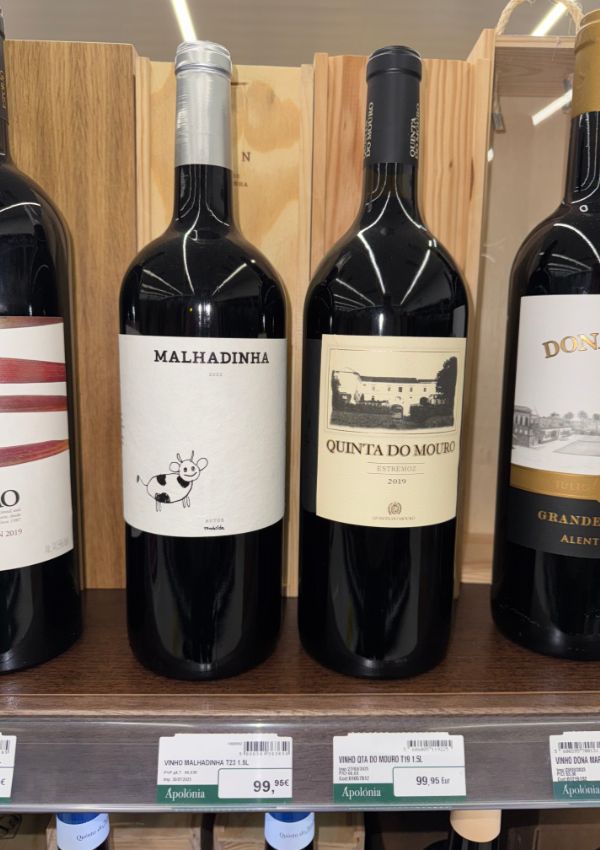
I recommend a magnum of Quinta Malhadinha from the Alentejo, 2023 and another one of my favourite producers, Quinto do Mouro from Estremoz, 2019, is sitting on the shelf right next to the other. Both are just €99,95 from Apolónia.
If you’re an old-world style wine fan, in the same row, you can find two incredible magnums of Bordeaux. My top pick is Grand Cru Classé, Château Smith Haut-Lafitte from Pessac-Léognan 2014, which is on sale for €259,95. This château is family-owned, farms organically, and reliably produces delicious wines every year.
The other gorgeous Bordeaux that Apolónia has on offer is a Pomerol at the same price: Château Gazin 2015. These are great prices for outstanding quality wines.
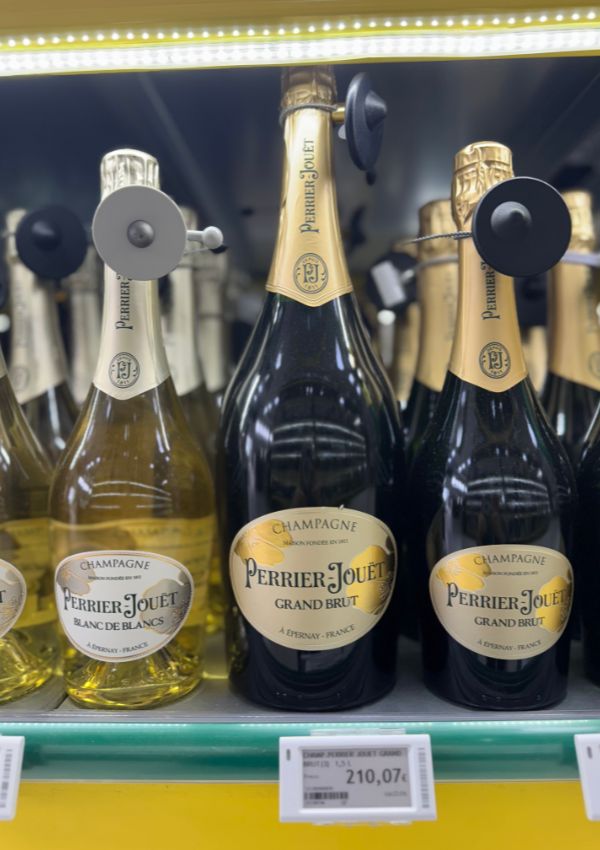
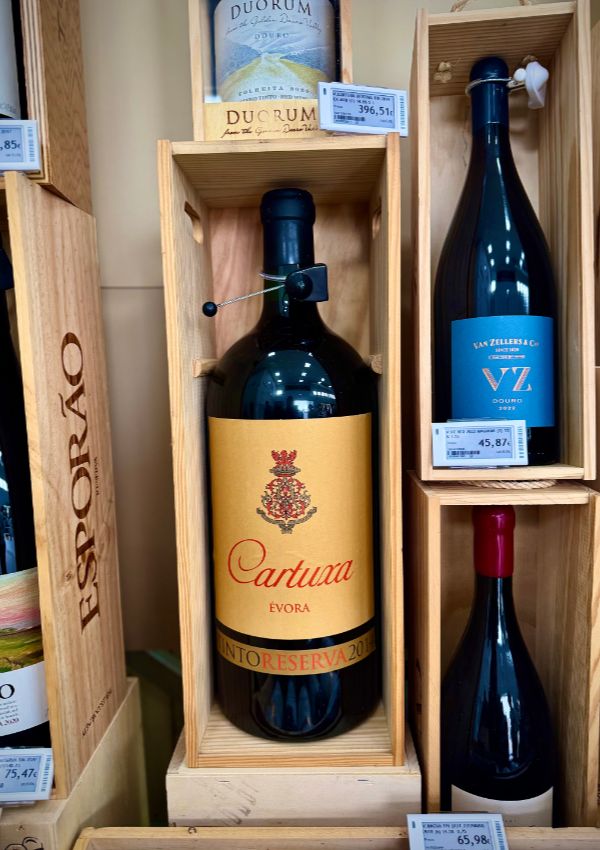
At Garcias in Lagos, the two large-format bottles I’d recommend are their Perrier-Jouët Grand Brut Magnum for €210,07 and their 5-litre Jeroboam of Cartuxa Reserva, Alentejo 2014 for €396,51, which is nearly seven bottles of wine all in one! A total steal!
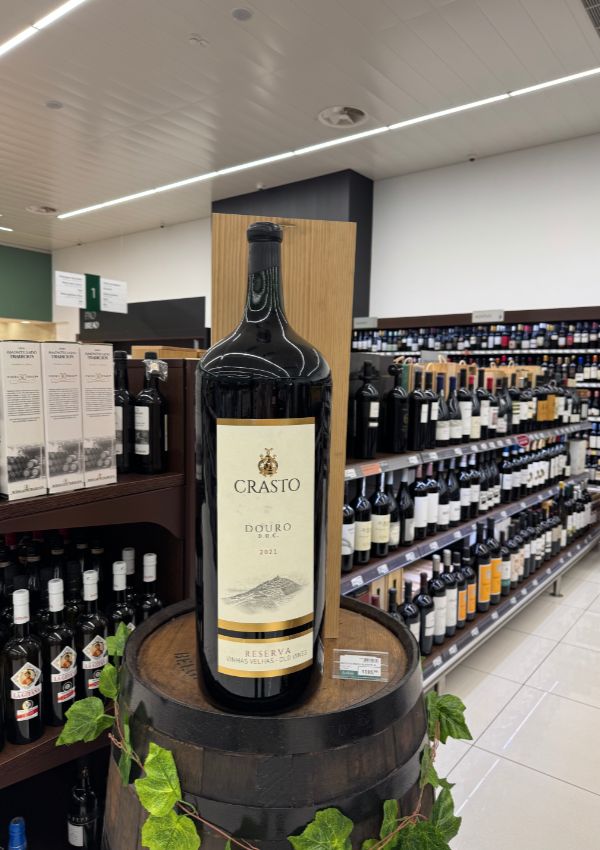
If you really want to go all out this year, Apolónia has Quinta do Crasto Vinhas Velhas Reserva 2021, Melchior (you can’t miss it), an 18-litre large-format beast, equivalent to 24 standard bottles. That’s 144 glasses of wine! The Melchior is named for one of the Three Wise Men who visited baby Jesus and brought the gift of gold. These bottles of gold are among the rarest available.
If you didn’t decide to take home the Tyrannosaurus Rex of wine bottles, you can pick up your favourite champagne in large format instead.
How to pour and serve your unicorn wine
So now you’ve found the wine of your choice in an overwhelmingly stunning large format, how do you get it out? For a 1.5-litre, 3-litre, and perhaps even a 6-litre (with a bit of help), it’s possible to pour the wine directly from the bottle. For the larger bottles, I suggest having a few decanters on hand and a 1-metre-long food-grade plastic hose. Then, before the party begins, siphon the wine from the large bottle into the decanters, and you can refill throughout the night. Then you look professional and have the bonus of decanting the wine and serving from the decanter.
When serving directly from the large-format bottles (for the very last drops of wine), you can make sure you don’t get a load of sediment in your decanter or glass by leaving the bottle upright for 30 minutes, enough time for the sediment to settle, and then slowly decanting the rest of the wine.
Nearly all wines benefit from being decanted. So whether it’s a 750ml bottle or a Melchiore, use a decanter or many and serve, highlight and show your selected wine at its best.
The holidays are upon us. Don’t walk, run and get yourself a ginormous bottle of fine wine for your next holiday get-together before they’re all snatched up!
A festive crafty keepsake tip
After all the wine has been enjoyed down to the very last drop from your special bottle, you can have your empty large-format bottle signed by your friends to create a keepsake to remember that milestone and display as a centrepiece in your home or wine cellar.
Candace Olsen is a sommelier, fine wine consultant, wine educator, and wine writer.