As February arrives, the Algarve prepares to shake off the winter hibernation with an explosion of noise, colour, and satire. While our friends in northern Europe seek refuge from the cold, we are gearing up for Carnival, a festival that remains one of the great pillars of popular identity in our region. Whether you are a resident or a visitor, understanding the deep roots of this tradition will make the upcoming festivities even more meaningful.
From Pagan Roots to “Carne Vale”
The origins of Carnival in Portugal stretch back to ancient times, intertwining deep Catholic traditions with prehistoric pagan customs. Historically, the festival is linked to the “Cycle of the 12 days” and winter solstice rites that celebrated the transition from winter to spring and the fertility of the fields. The word Carnaval itself is believed to derive from the Latin expression for “farewell to meat,” marking a final period of excess before the fasting and abstinence of Lent begins.
In Portugal, this season is also widely known as Entrudo, a pre-Carnival tradition that arrived in the 15th century. The Entrudo is characterised by a lack of dietary restrictions, summarised by the popular saying, “No Entrudo, come-se tudo” (In Entrudo, you eat everything). Traditionally, this meant a feast of pork—specifically the ear (orelheira), snout, and sausages—followed by sweet fried dough treats known as filhoses, which are still a mandatory dessert during the festivities.
While modern parades often mirror those of Brazilian samba schools, Portugal retains unique, ancient traditions. The most famous are the Caretos of Podence, a UNESCO-recognised tradition where masked figures in colourful, fringed wool suits run through the streets rattling bells (chocalhos) at women in a ritual connected to agrarian fertility. Another icon is the Matrafona (primarily from Torres Vedras), where men dress in varying degrees of drag to satirise social trends.
Where to Celebrate in the Algarve
The Algarve offers a vibrant mix of traditional satire and modern spectacle. The festivities for 2026 generally run from 13 to 17 February, with the biggest events culminating on Carnival Tuesday.
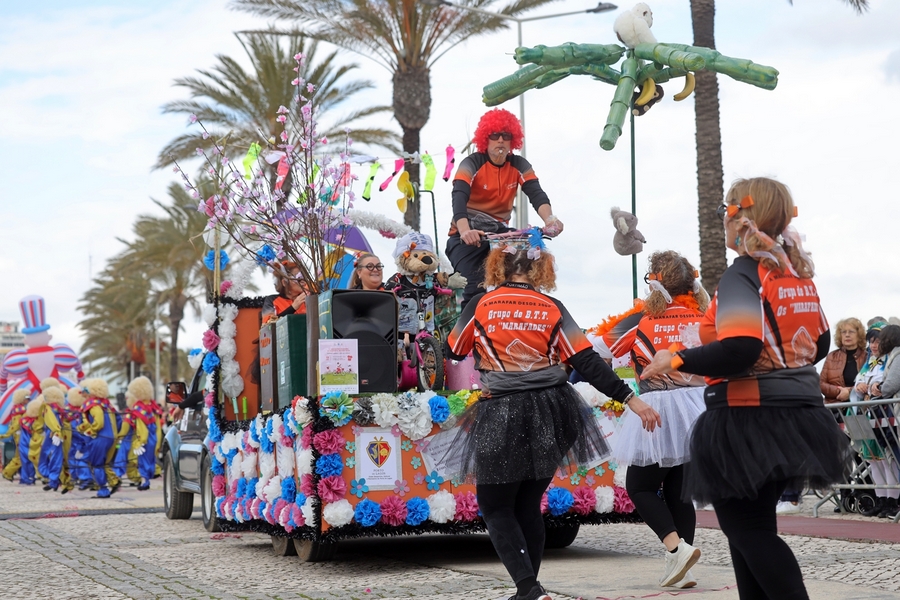
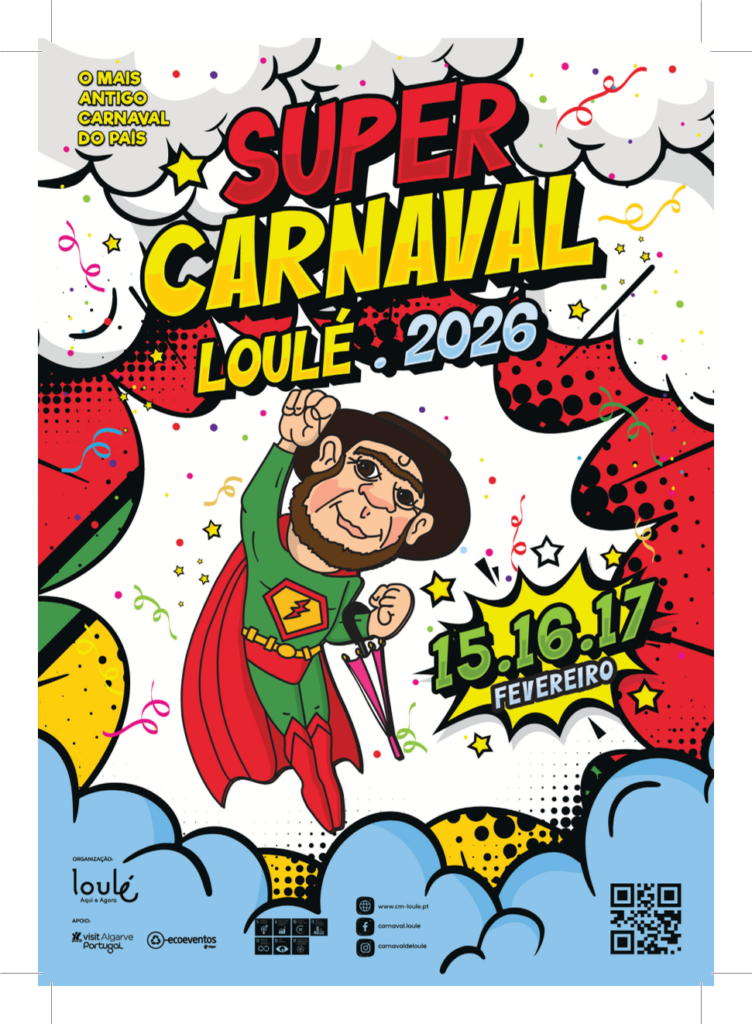
Loulé: The “Super” Centenarian. If you only visit one event, make it the Loulé Carnival. Dating back to 1906, it is the oldest carnival in the country and certainly the most famous in our region. The parade is renowned for its biting political and social satire, featuring giant caricature statues of world leaders and local figures.
For 2026, the theme is “Super Carnaval”, where the parade will transform the Avenida José da Costa Mealha into a stage for superheroes. The main “superhero” will be the traditional figure of Zé Povinho, using his powers to fight the cost of living and housing issues. The event runs from 15 to 17 February, starting at 3 pm each day, and features 13 floats, samba schools, and over 600 entertainers. It is a ticketed event with a charitable angle, as proceeds often support local causes.
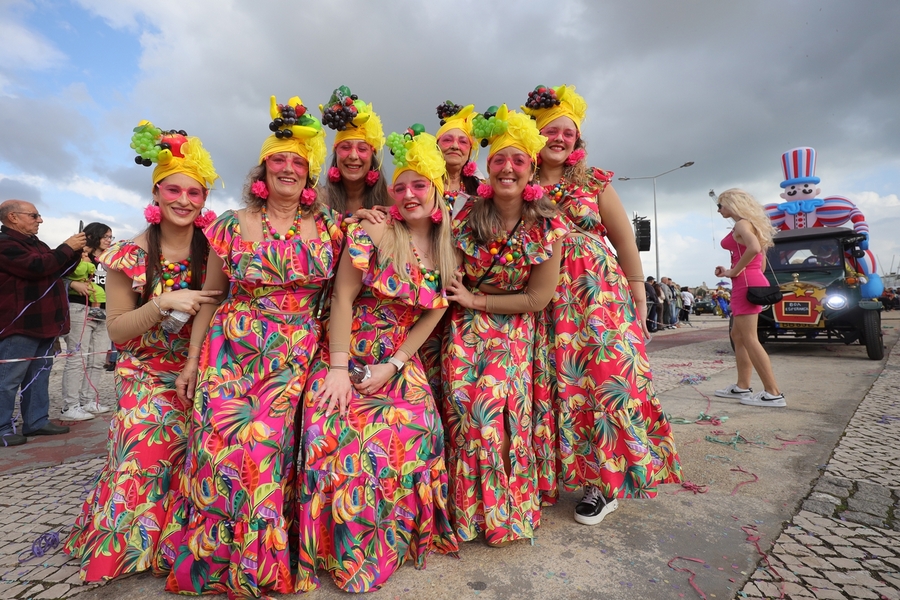
Portimão: A Mediterranean Odyssey. Portimão is reviving the tradition of “playing Carnival” with a strong community focus. This year’s theme is “Mediterranean”, celebrating the Odyssey of Homer, Greece, and Egypt. The fun kicks off with a Grand Opening Parade involving local schools on February 13, followed by a Parade of Floats on 17 February at 3 pm along the Zona Ribeirinha. For those who love to dance, various local collectives (such as Boa Esperança and Clube União Portimonense) host traditional masked balls and matinés between 7 and 17 February.
Lagos and Odiáxere Lagos offers a charming programme, including a school parade on the morning of February 13 along the Avenida dos Descobrimentos. For a more localised experience, the neighbouring village of Odiáxere hosts its carnival from February 14 to 18 at the Largo do Moinho.
A Trip to the Capital?
If you fancy a trip north to experience the party in a more urban setting, the Lisbon Carnival offers a modern take on these traditions. The capital hosts a grand parade along the Avenida da Liberdade featuring over 2,000 participants in feathered costumes and elaborate floats. For a more spontaneous vibe, street parties (or blocos) erupt in the neighbourhoods of Bairro Alto and Cais do Sodré, often starting in the early afternoon.
Whether you choose to watch the satire in Loulé, dance at a ball in Portimão, or simply enjoy a filhós at a local café, we hope you embrace the joy and madness of this season. As the tradition says: “É Carnaval, ninguém leva a mal“ (It’s Carnival, nobody takes it badly).