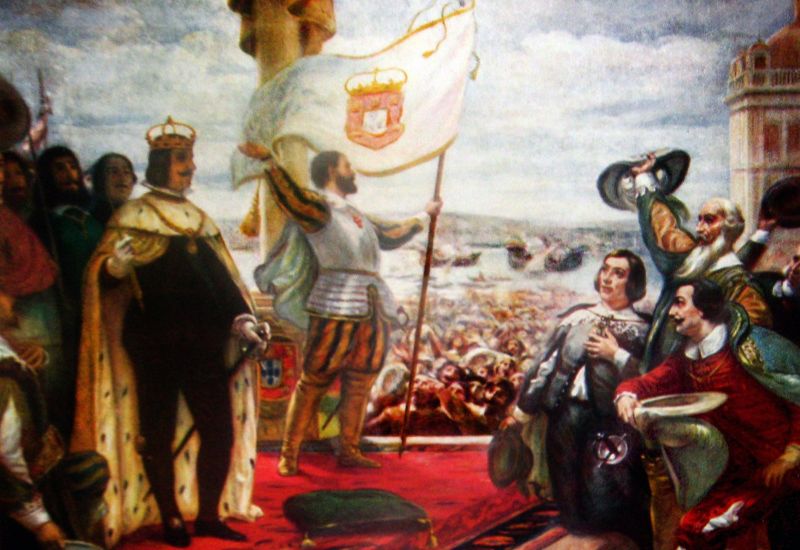
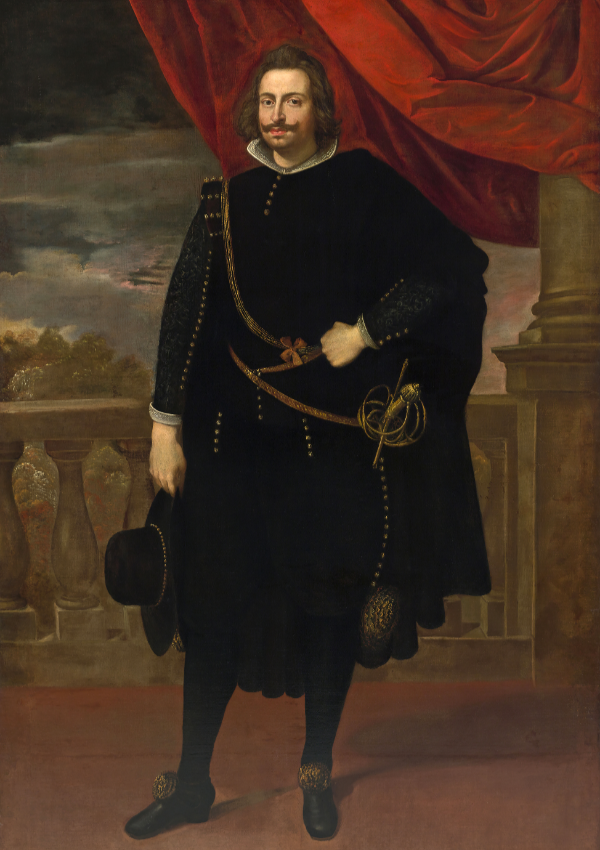
On 1 December 1640, a group of Portuguese nobles, led by the charismatic João Pinto Ribeiro, orchestrated a coup d’état in Lisbon. They stormed the Royal Palace, arrested the Spanish representatives, and proclaimed João, 8th Duke of Braganza, as the new King of Portugal – João IV. This swift and decisive act ignited a 28-year-long war for independence, ultimately culminating in the Treaty of Lisbon in 1668, which saw Spain formally recognise Portugal’s sovereignty, marking the start of a new chapter for the Portuguese nation and the end of 60 years of Spanish rule.
The 1st of December is not only the 335th day of the year (336th in leap years) in the Gregorian calendar, but also the day when Portugal celebrates the Restoration of Independence – A Restauração da Independência. This year marks the 385th anniversary of the dramatic end of Spanish rule, often referred to as the Iberian Union (the 60-year dynastic union of the Crowns of Portugal and Spain, 1580–1640) and the end of the authority of the Philippine Dynasty.
What Portuguese historians used to call A Dinastia Filipina, also known as the Third Dynasty of Portugal, is the name given to the House of Habsburg in the context of its rule of Portugal between the end of 1580 and December 1640, a period of endless transition, during which the country was considered one of the many possessions of the Spanish Monarchy. It consisted of three kings: Philip I (the dynasty’s founder), Philip II and Philip III.
The implications of the Restoration of Independence in the Algarve
While the dramatic events of December 1640 unfolded primarily in Lisbon, the sentiment of independence and the subsequent decades-long war for sovereignty undoubtedly touched every corner of Portugal, including the sunny southern region of the country. To better understand the implications of the Restoration of Independence in the Algarve, let’s see what life was like here before the middle of the 17th century.
Before the Spanish Rule (1249–1580)
The period immediately following the Portuguese Reconquest in 1249 was heavily influenced by the Age of Discovery, when the Algarve was a central point of Portugal’s Golden Age, and the whole area was a fully integrated, though distinctly independent-minded, part of the Portuguese Kingdom. The Moors left a permanent mark on agriculture, introducing sophisticated irrigation systems, and crops such as oranges, almonds and figs – staples of the region’s economy that thrive to this day.
The legendary Prince Henry established his base in the Sagres area in the 15th century, turning the region into a launchpad for the great maritime explorations. Cities like Faro and Lagos were bustling ports, key stops on the route to and from the trade of the Portuguese Empire in Africa, India, and Brazil. The region contributed sailors, ships and expertise to the global trading network.
The later years under the Habsburgs (1580–1640)
After the death of King Sebastian in 1578 and the dynastic crisis, the Spanish King Philip II (I of Portugal) claimed the Portuguese throne in 1580. While the union was, in theory, just a ‘personal union’, in which Portugal kept its own laws and administration, the reality affected the Algarve significantly more than other provinces. As the frontier region, the Algarve’s defensive structures and forces became entangled in Spanish global conflicts against the Dutch and the English. This led to increased attacks and piracy along the coast, placing a heavy strain on the local population for defence.
The existing fortifications in the Algarve – like those in Sagres, Lagos or Castro Marim – were either neglected or reinforced based on Madrid’s strategic priorities, rather than Lisbon’s or the local people’s needs. Although the Iberian Union was initially accepted by parts of the Portuguese nobility, the growing neglect of Portuguese colonial interests (especially against the Dutch in Asia and Brazil) and the increasing presence of Spanish officials created a groundswell of resentment. In the Algarve, this translated to a growing desire to reclaim Portuguese self-determination, culminating in the celebrations of 1640.
In essence, for the Algarve, a region with a rich maritime history, with its strategic coastline and ports, and a deep sense of identity, the end of the Iberian Union, and the return of a Portuguese monarch to the throne, meant a return to full sovereignty, but also the immediate burden of being a vulnerable, border region in a protracted and costly war for independence.
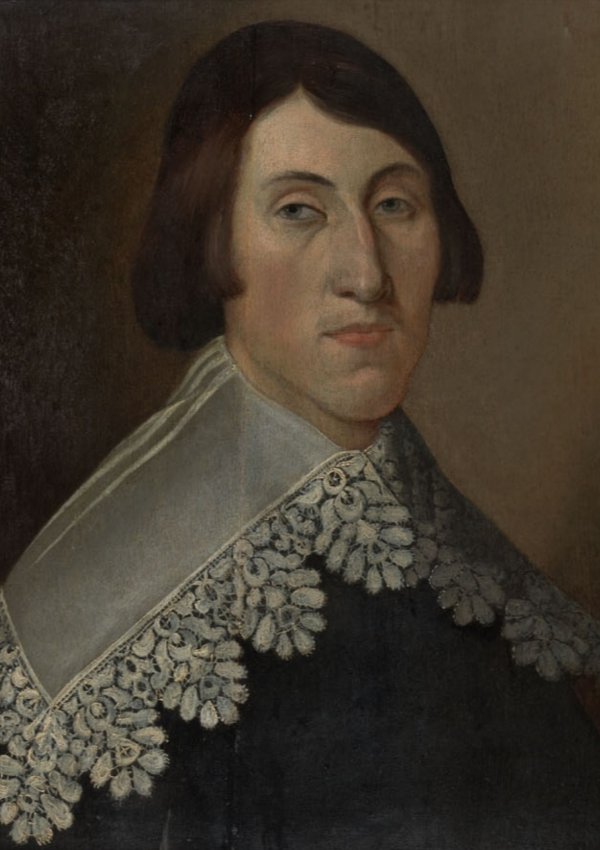
João Pinto Ribeiro, born in Lisbon in 1590, was a jurist, diplomat and political theorist known as ‘the brain’ of the Portuguese Restoration War. He was honoured as Knight of the Order of Christ, appointed as the Chief Keeper of the Royal Archives, and served as an ambassador to the Papal Court in Rome. He died in Lisbon in 1649.
A day of celebration and reflection
Centuries after the tumult of 1640, the echoes of that decisive moment still shape Portugal’s national identity.
Nowadays, 1 December is a public holiday across Portugal, a day for reflection on the nation’s resilience and determination to preserve its distinct culture and autonomy. While official ceremonies and military parades are prominent in the capital, Lisbon, featuring the president and other dignitaries, the spirit of the day resonates throughout the country. Flags are proudly displayed, and educational institutions often host events discussing the historical significance of the Restoration. It’s a day to remember the heroes who fought for self-determination and to appreciate the enduring legacy of an independent Portugal.
For locals and visitors in the Algarve, 1 December is observed as a national holiday – a quiet day of reflection that closes banks and public services. Yet, it is also the day when cities like Portimão, Loulé and Albufeira begin to illuminate their Christmas lights and open their vibrant winter markets. This blend of solemn commemoration and festive anticipation captures the day’s dual meaning: a powerful reminder of the nation’s independence and self-determination, providing an extended weekend and an early start to the celebratory season. But, what’s more important, we’ll notice again Portuguese flags flying in cities, towns and villages, like a subtle yet powerful reminder of the nation’s independence, and a good opportunity to observe the sober, quieter side of Portuguese patriotism. It is an enduring legacy that defines Portugal, from its strategic past to its autonomous present, that continues to define its people and its regions, from the bustling streets of Lisbon to the tranquil shores of the Algarve on the first day of December. It’s a day to celebrate a nation that, against the odds, reclaimed its destiny. In the Algarve, where ancient fortifications stand as silent witnesses to centuries of strategic importance, 1 December is a quiet but firm declaration that Portuguese independence, though challenged, remains absolute.
The collective memory of the Iberian Union and the hard-won sovereignty that followed is not merely preserved in history books or official ceremonies; it is ingrained in the Portuguese identity itself. The 385th anniversary in 2025 offers a unique opportunity to reflect on this crucial period, not as a celebration of conflict, but as an affirmation of national will. It is a moment to appreciate the enduring fact that Portugal is one of Europe’s oldest nations, a status cemented by the daring actions of a few nobles on a December day 385 years ago.
Main image: Coronation of King John IV (1908). Painting by Veloso Salgado (1864-1945). Oil on canvas (325 x 285 cm). Military Museum (Restoration Room), Lisbon, Public domain, via Wikimedia Commons