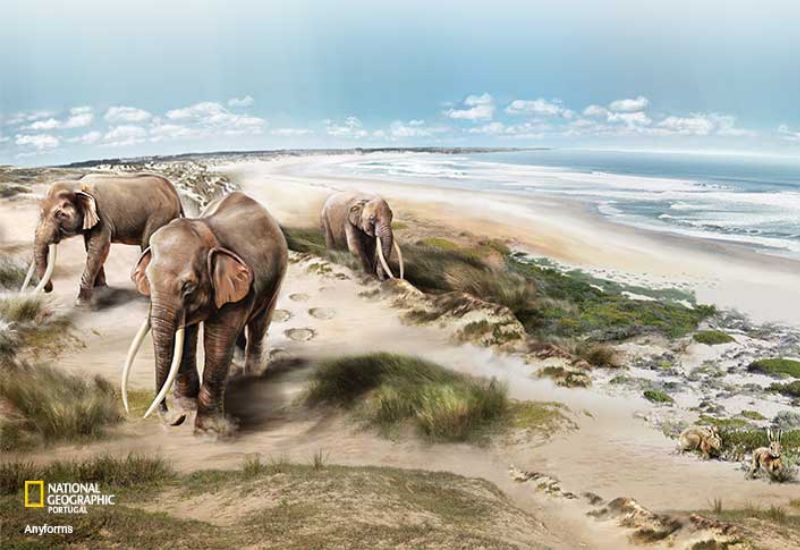
Until now, a trail of footprints left in the sand and frozen in time 35,000 years ago were the last traces of elephants wandering Portugal, but that’s all about to change.
The fossilised footsteps were discovered a few years ago in crumbling sandstone on the coastal cliffs of Alentejo; they were left by giant, straight-tusked elephants shortly before their extinction. And that was it, apart from some North African forest elephants shipped to the Iberian peninsula by Hannibal of Carthage, trained for war and marched over the Alps to the edge of Rome in 218BC.
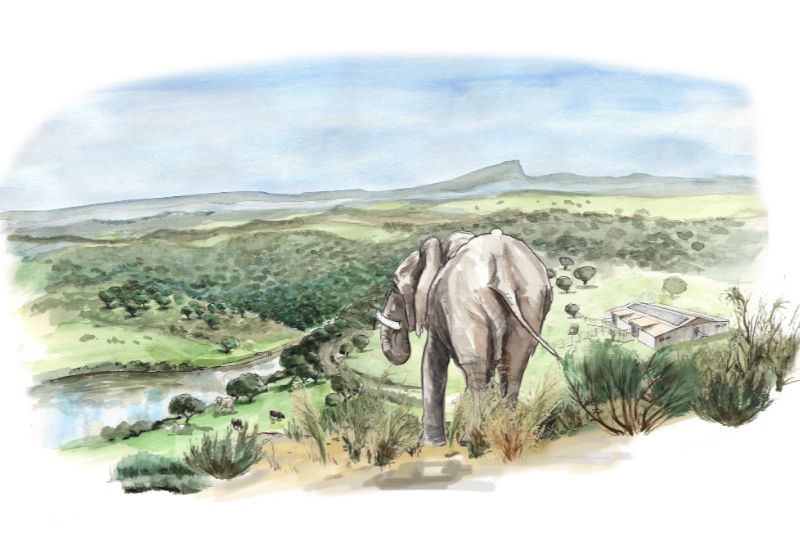
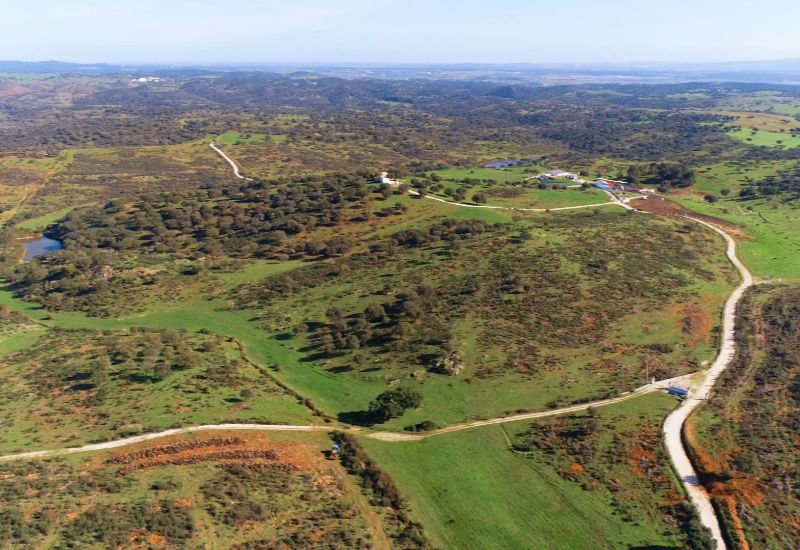
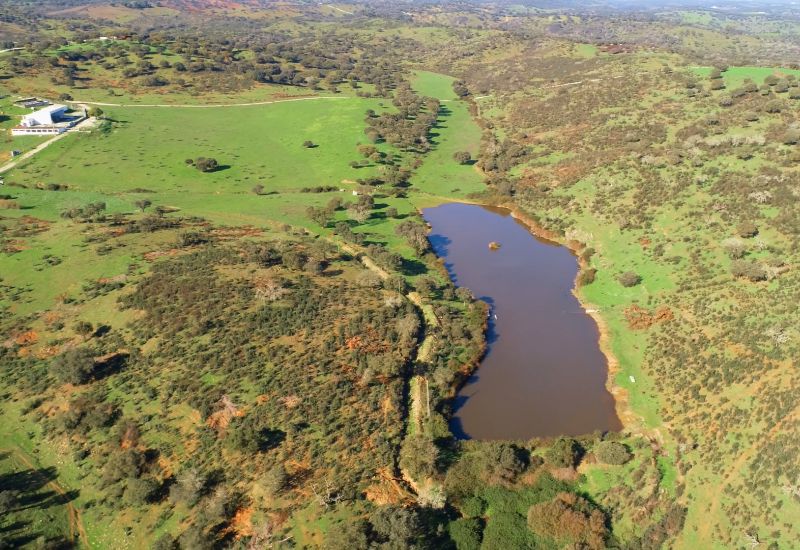
But now the elephants are returning to inland Alentejo – to roam free over 400 hectares of rolling hills, lakes and cork oak forests just south of Estremoz. “It reminds me very much of Zambia,” Kate Moore told me as we drove through the gates of what will soon be Europe’s first large-scale elephant sanctuary. “It’s a really beautiful site. It used to be a cattle farm and a eucalyptus plantation, and we’ve spent the last one or two years basically trying to restore the biodiversity on site to get ready for elephants.”
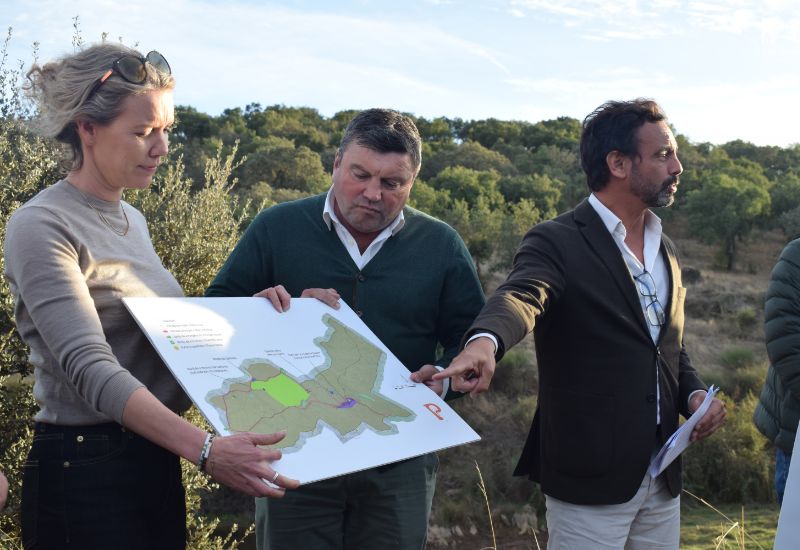
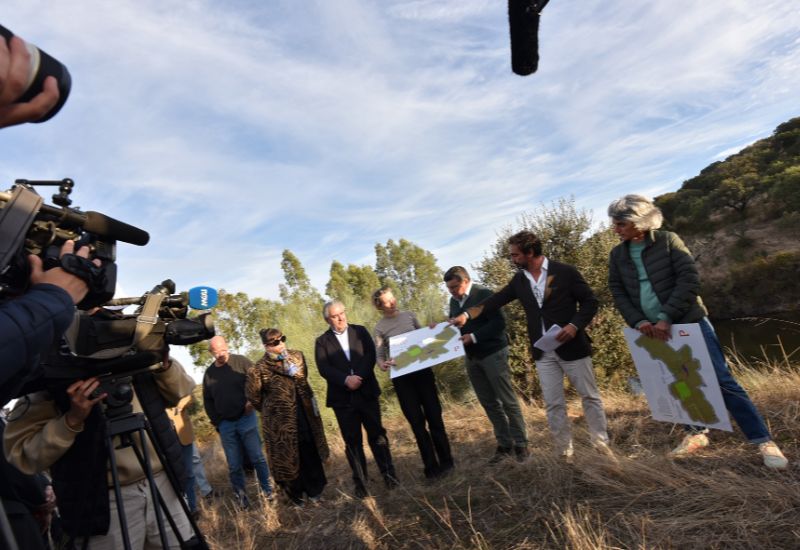
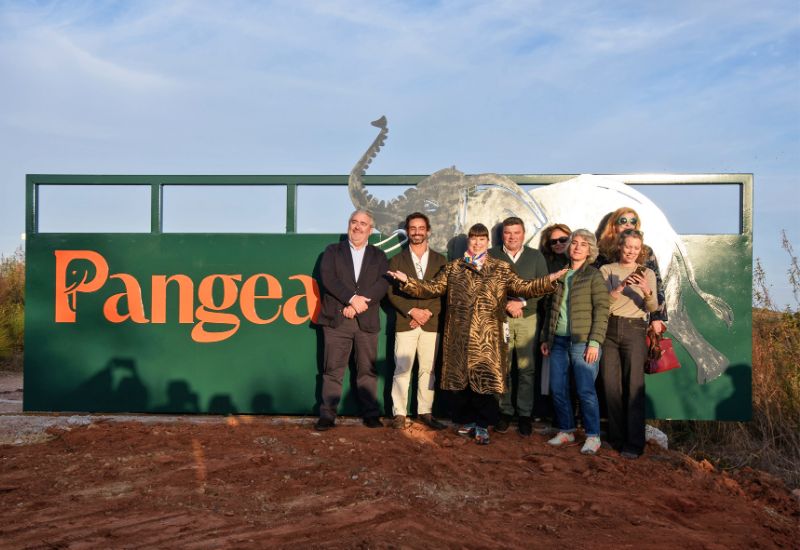
Kate, who spent years working in conservation in Malawi, is managing director of the UK conservation charity Pangea, which scoured Europe looking for the best site. “We did a feasibility study looking at all the different landscapes, honed in on the Iberian peninsula mainly because of the habitats, looked at hundreds of properties and finally shortlisted and got down to this one. “Gentle, rolling hills, lots and lots of water, good, diverse habitat, and also privacy” were the reasons they chose the site, which straddles the two municipalities of Vila Viçosa and Alandroal.
The landscape does look a lot like southern Africa – except for the characteristic flat-topped acacia trees are replaced by cork oaks – and it’s easy to imagine elephants at the water holes.
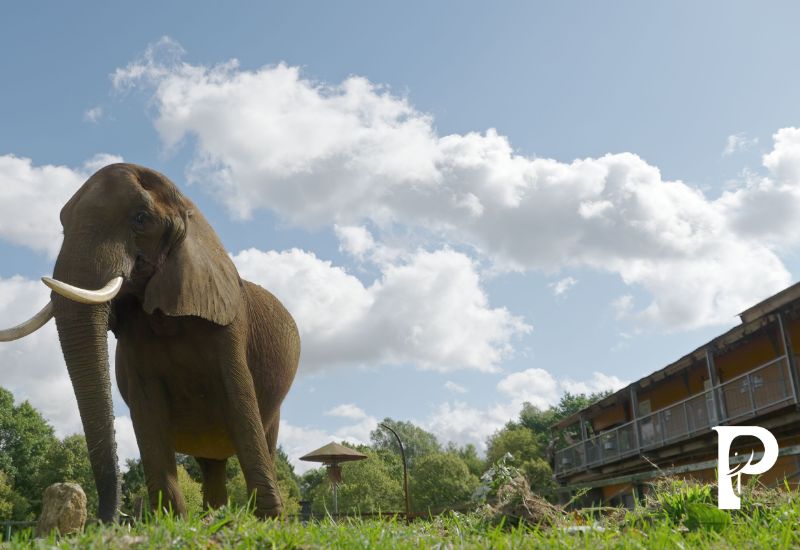
But this isn’t a safari park – it will be a sanctuary where elephants will retire after spending their lives in the circus or at zoos around Europe. Most EU states have banned circus elephants, and zoos are planning to give them up voluntarily, so they need somewhere to go. And their first arrival will be from Belgium. “She’s called Kariba,” Kate explained. “She was wild-caught in Zimbabwe 40 years ago, was shipped off to Germany and has spent the last forty years in zoos in Belgium, the Netherlands and Germany.”
Pangea will have space for 20 to 30 elephants, and many of those retiring to Portugal are likely to have a similar traumatic backstory, shrouded in crime, corruption, and the pursuit of ivory.
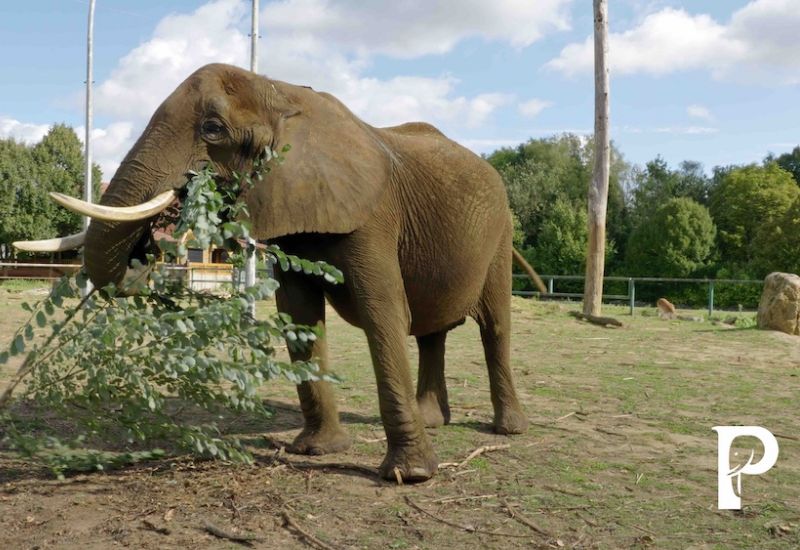
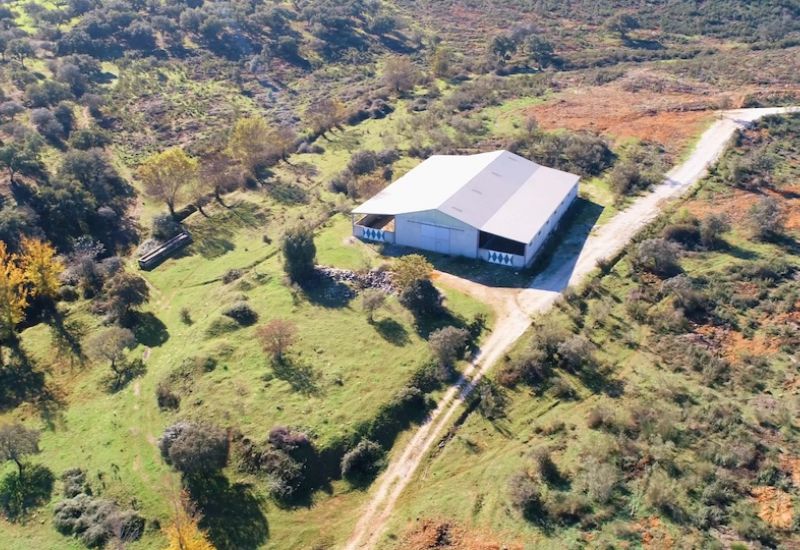
The site in Alentejo is almost ready to receive Kariba. As we arrived, workers were swinging gate sections into place at the barn where Kariba and her new friends will take shelter from the summer heat and the chill of Alentejo’s winter. Deep holes were being drilled for the giant metal tube fence posts – think Jurassic Park, except without the drama.
“Basically, it’s ready to receive the first elephants in this amazing place to walk free and in peace,” said Graça Fonseca, a board member at Pangea and a former Portuguese minister of culture who is passionate about the project. “First, because it’s really a foreign investment that comes to Portugal not for tourism, but for a project that’s about conservation. “It’s about our connection with the land and the relationship between humans and animals, and – nothing against tourism – but it’s good to know there are other possible investments in Portugal,” she told me. “And from the beginning, it’s been about dialogue and cooperation. It sends a message as to who we are as a society. I really do believe that the way we treat animals says much about the society we are. I think that’s why it’s special and will put Portugal on the map as a special place.”
The intelligence, social organisation and sheer size of elephants gives humans a closer connection than many other wild animals. There’s been huge interest and excitement in the Portuguese media at the prospect of pachyderms roaming Alentejo again. It’s certainly got people talking in the local coffee shop.
Graça told the story of an early visit when the shop owner asked, “Are you the people bringing the elephants?” When they nodded, the woman was delighted. None of her neighbours had believed her when she told them elephants were coming, but she finally had proof.
The plan is to have open days for schools and the local community, to allow some academic research and to build a discovery centre nearby to raise awareness of elephants and their habitat. But the elephant retirement home will be closed to visitors – as yet there are no plans for any safaris.
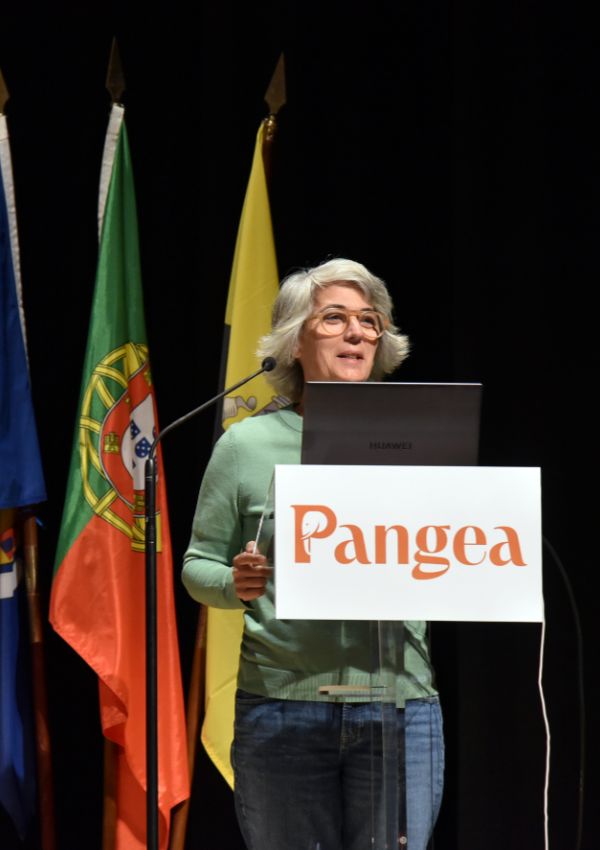
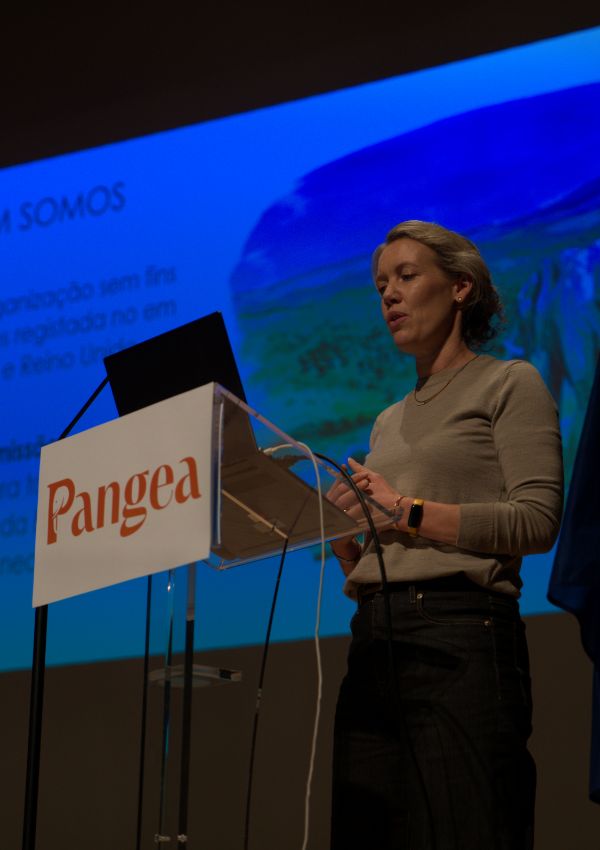
“The most important thing is giving them as much space as we can give them in as natural a habitat as possible. It’s all about giving them autonomy and freedom of choice, but it’s really important they get expert care,” Kate Moore told me.
Although they will prioritise urgent cases, Pangea is discussing the long-term plans for ageing elephants with zoos and is keen not to criticise what happened before.
“The people who have had those elephants in the past have really cared for them and for us. It’s not really about shining a light on the circuses and zoos and their bad conditions because, in fact, they have done their absolute best for them. It’s about providing a solution for those who want to rehome their elephants and give them the best quality of life.”
Vila Viçosa and Alandroal municipalities are working together to secure permits and permissions for something entirely new.
The Mayor of Alandroal, João Grilo, is a teacher and he welcomes the educational opportunity the project brings, however he also hopes it will bring new life to a poor rural area by attracting people to move to the region and live alongside nature.
“I think it’s very important because we are giving an example of conservation and restoration of natural environments, and at the same time creating a new opportunity for animals that have been in captivity a long time,” he said. “If we find ways that people could live here, build their life projects and still preserve the natural environment and create jobs, that’s a better way we can do it.”
The sanctuary is being funded by large donations from private philanthropy as well as grants from trusts and foundations. Pangea is also a registered non-profit organisation in Portugal and has non-profit (501c3) status in the US.
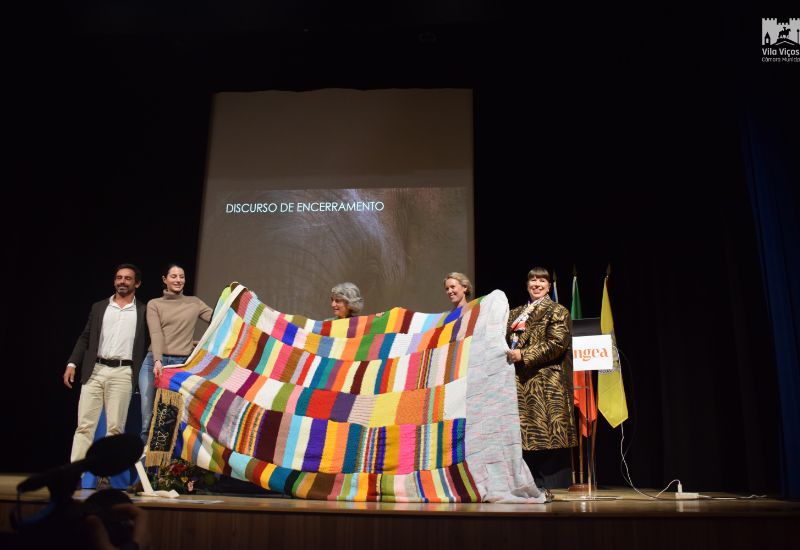
“Our investors tend to have a mix of passions – a cross section of animal welfare and conservationists with an affinity with Portugal,” Kate explained.
Kariba is expected to be the first of many new arrivals early next year and negotiations are already underway for Pangea’s second elephant. “They’re going to love it here,” concludes Kate.
Alastair Leithead is a former BBC foreign correspondent now living in Odemira, where he and his wife have just opened @vale_das_estrelas, or the Valley of the Stars eco-luxe lodge. He blogs at Off-Grid and OPEN in Portugal and podcasts Ana & Al’s Big Portuguese Wine Adventure in all the usual podcast places.
Did you know…
- Fossilised elephant footprints were found in the Malhão dune field, between Porto Covo and Vila Nova de Milfontes on the Alentejo coast.
- Three elephant trails were discovered along with deer, fox, Iberian lynx, stork and heron tracks in Eolianitic sandstone, which is made up of wind-moved sand.
- The prints, dating back 35,000 years, were reported by a research team from the UNESCO Naturtejo Geopark of Meseta Meridional in central Portugal, led by palaeontologist Carlos Neto de Carvalho.
- He blamed “dramatic climate changes that occurred in the last glacial period” for the extinction of straight-tusked elephants, which weighed up to twice as much as today’s elephants.
- The findings were published in the Portuguese journal Geological Communications, and reported by National Geographic magazine.