The expansion of Lagos Marina has officially begun with the driving of the first piles into the Bensafrim River. Sophie Sadler sat down with Marlagos CEO, Martinho Fortunato, to get the inside scoop on this new sea change.
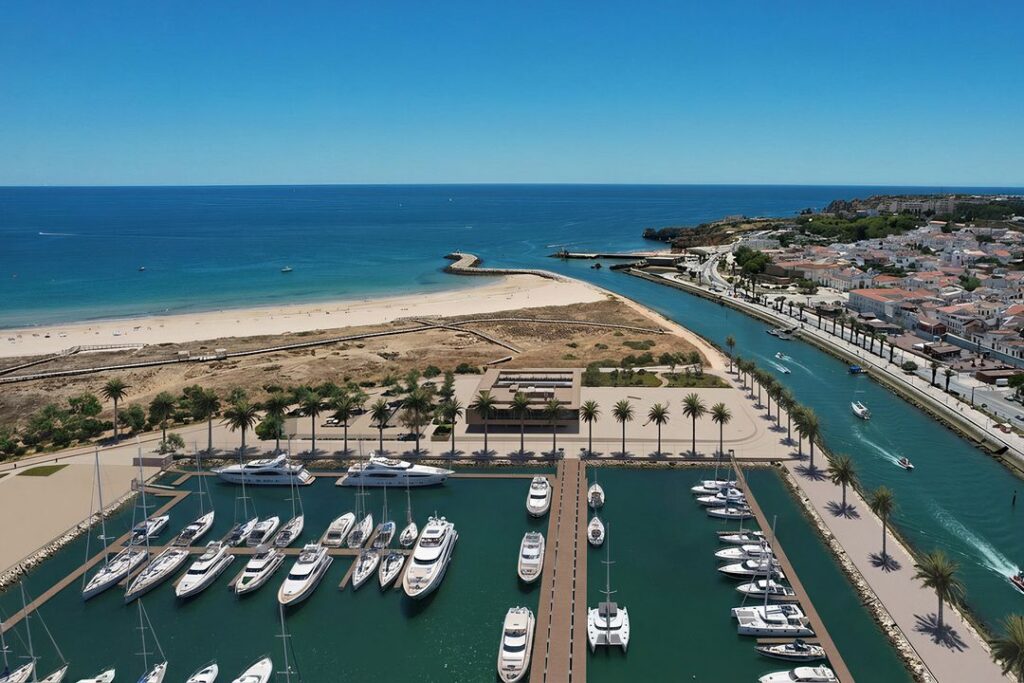
For anyone living in Lagos, you cannot have missed the heavy machinery in the old fishing dock adjoining Marina de Lagos and the news that Lagos Marina is expanding. To borrow a nautical term, Marina de Lagos is the town’s upper deck! It is an area of bustling activity, winter and summer alike, offering a scenic area to walk, seek refreshment or set sail. Like any boat’s engine room, it is now in need of some fine-tuning to bring it into the modern age and that is exactly what Marlagos is steering a course towards.
The expansion has been a long time coming. The plans took nearly 18 years to come to fruition due to complex public domain concession agreements. But now the family-owned company’s investment of €12.5 million will further boost the maritime economy whilst simultaneously regenerating an important public area of the city.
The project was repeatedly discussed by the local council and the body responsible for managing this area – Docapesca – but the deadlock was only broken thanks to Marlagos’s willingness to fulfil all guarantees for the continuity and improvement of working and operating conditions for the various economic operators present in this area, including fishermen and the Lagos Sailing Club.
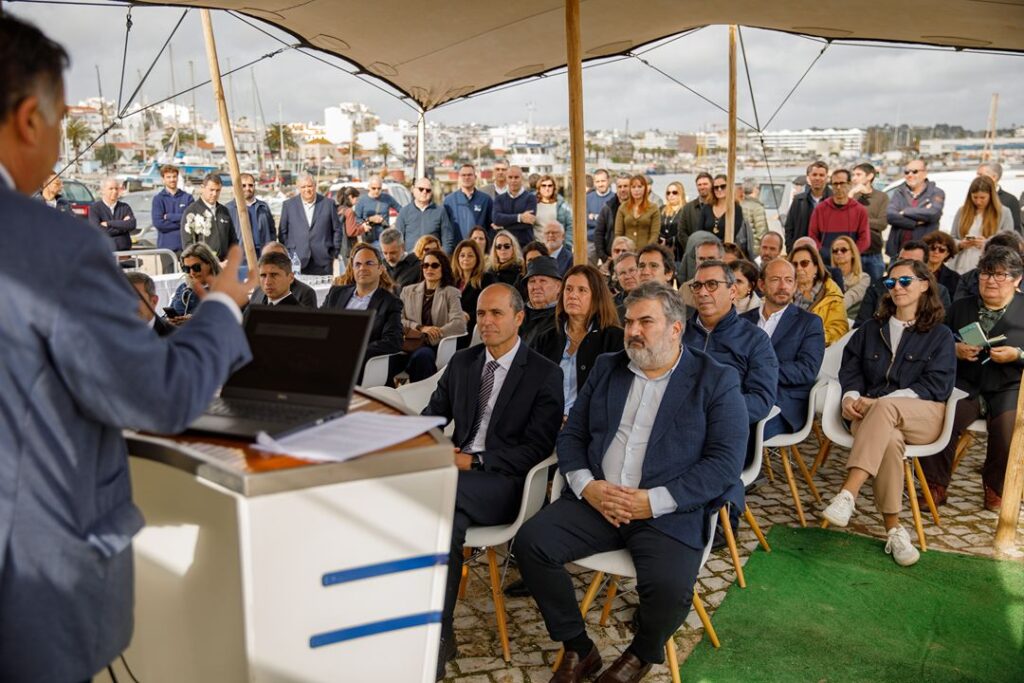
The official launch ceremony, marked by the symbolic laying of the first pile, took place on 12 February, attended by the Mayor of Lagos, Hugo Pereira, who praised the marina’s promoters for bringing “this vital territory-enhancing project to life”. It was a day full of emotion as Martinho Fortunato remembered the late Joaquim Fortunato, the first major driving force behind the marina. Meanwhile, Hugo Pereira recalled the boldness of the first promoters of the Lagos marina and of the mayor in office at the time, José Valentim Rosado, whose vision enabled the development of this infrastructure and gave the city a new dynamism.
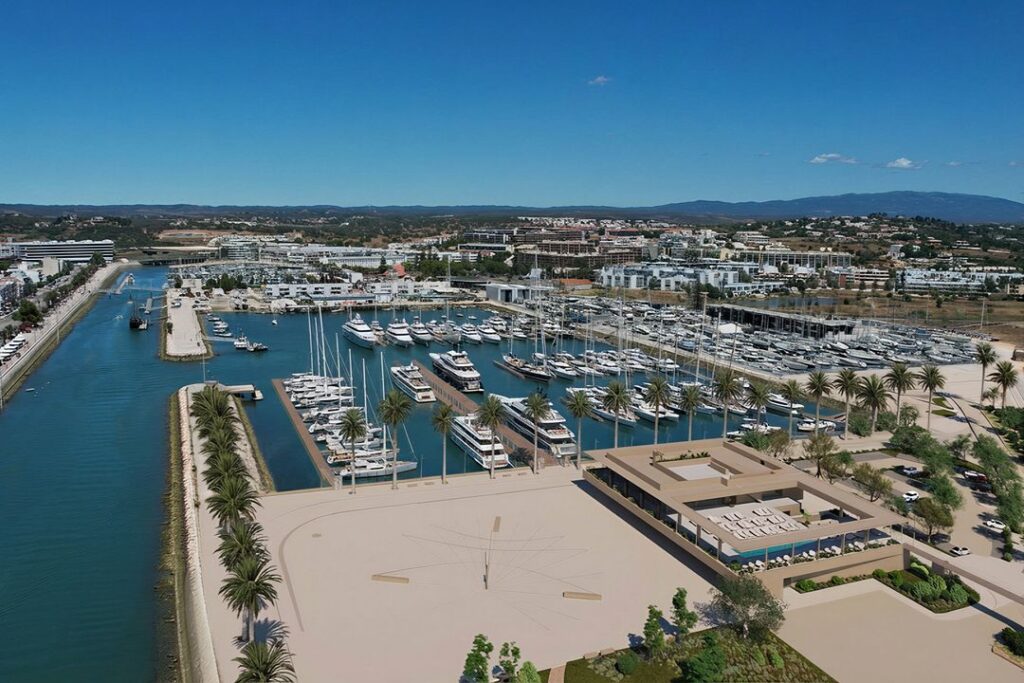
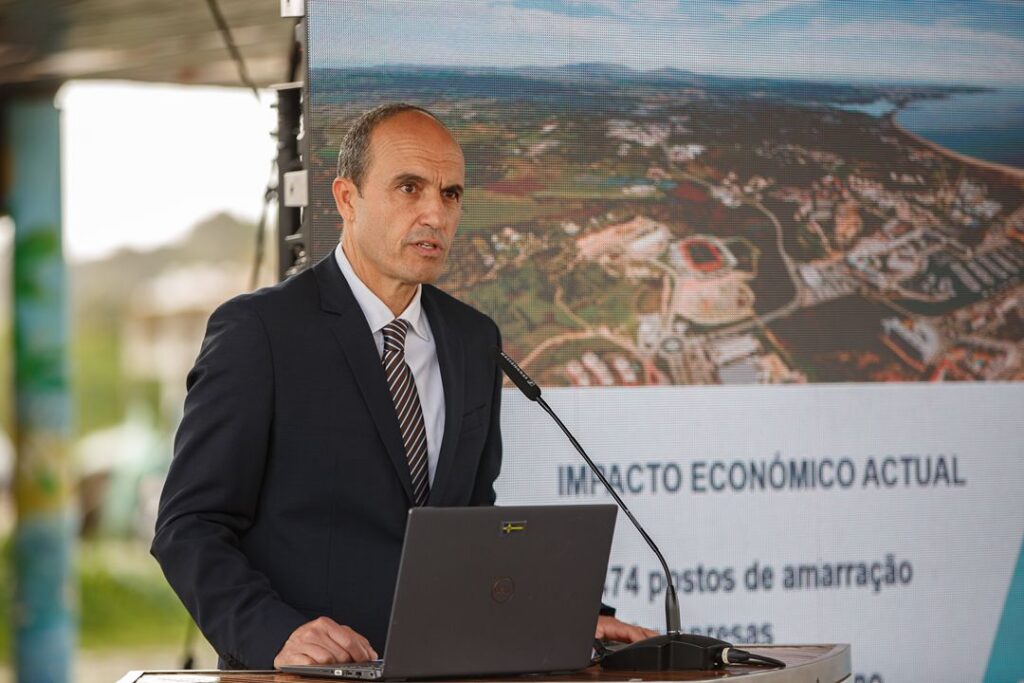
The mayor also highlighted the impact that the Lagos marina already has on the local community. One hundred and six businesses are centred around it, providing a total of 1,350 jobs and generating an annual turnover of 27 to 30 million euros. These figures are based on a study conducted by Marlagos but do not include their own turnover or employees, clearly demonstrating the positive impact of the revenue generated by this infrastructure. The area’s economic impact is expected to increase by 21% with the addition of 102 new berths to increase capacity for vessels between 10 and 30 metres, easing pressure on the current marina.
André Gomes, President of the Algarve Tourism Region, also attended, emphasising the distinctive nature of the nautical sector within the tourism offering. He referred to the marina as “a strategic product for the Algarve as a destination, due to the revenue it generates, its contribution to reducing seasonality and increasing the average length of stay in the region”.
Supporting the local fishing and boating community
The project prioritises local maritime workers and recreational boaters rather than wealthy yacht owners. Martinho explained to me,“We developed a project with the base objective that no marine entity would be worse than they were before. And if we could, everyone would be better in the future, which in the end was what happened.” They will be enhancing the facilities for the local fishermen with a €3 million investment, which includes building 400 square metres of storage warehouses for fishermen near SOPRAMAR, creating 55 berths specifically for professional fishing vessels, and organising their fleet so that fish delivery and boat parking are consolidated in one area.
Marlagos are also creating a “pontoon for locals” with 170 spaces for personal small boats and the small grotto trip boats. This will be a huge health and safety advancement. Martinho explains. “These small boats were moored along the rocks. So they were very difficult to access with no security.”
The Clube de Vela de Lagos was one of the key local entities that Marlagos consulted to identify the specific needs of the local community during the initial planning process. As part of the expansion, the sailing club is moving closer to the ramp, making it much easier for them to host and manage water-based boat events. The club is collaborating with the local municipality to build a new training centre to improve conditions for sailing teams who want to practice in Lagos. Marlagos is also actively investing in the club’s physical infrastructure, having already started installing the piles where the sailing club’s specific pontoons will be fixed.
As a regular in the marina myself, I also brought up with Martinho the need to improve the existing facilities, particularly the bathrooms, due to increased footfall and deterioration. He informed me that a new project to update and provide more bathrooms has been approved by the municipality and the renovations will begin soon.
Enhancing the town of Lagos
The expansion of the marina is also intended to improve the environment and create new public spaces. The initial dredging process is currently underway and Martinho informed me that workers have already removed immense amounts of historical pollution and rubbish, including plastics, old fishing nets and ropes from the bottom of the fishing harbour.
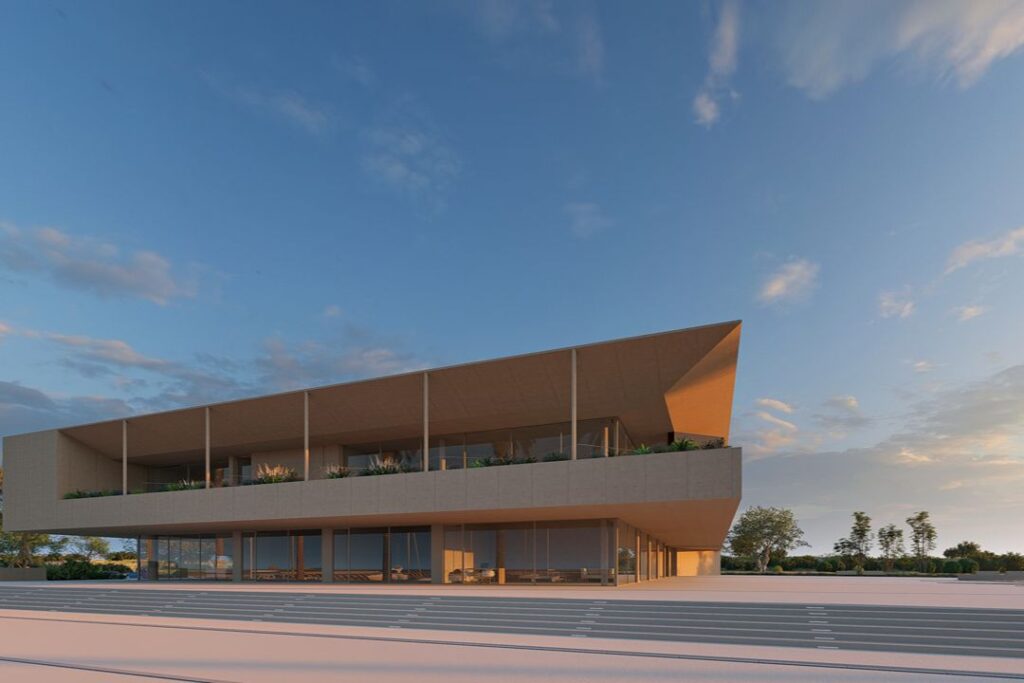
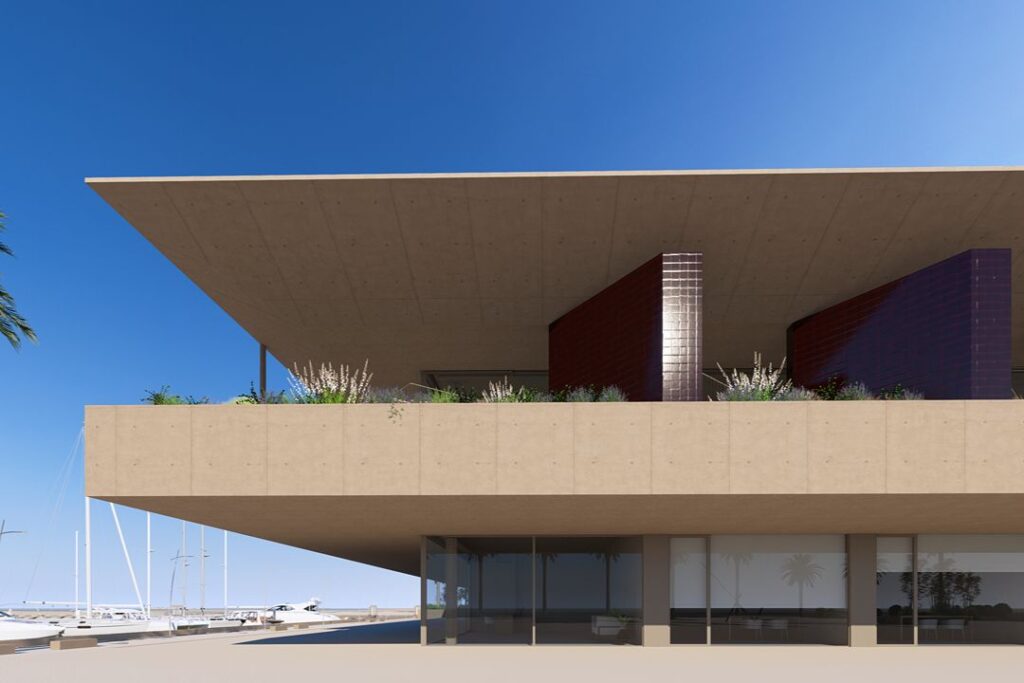
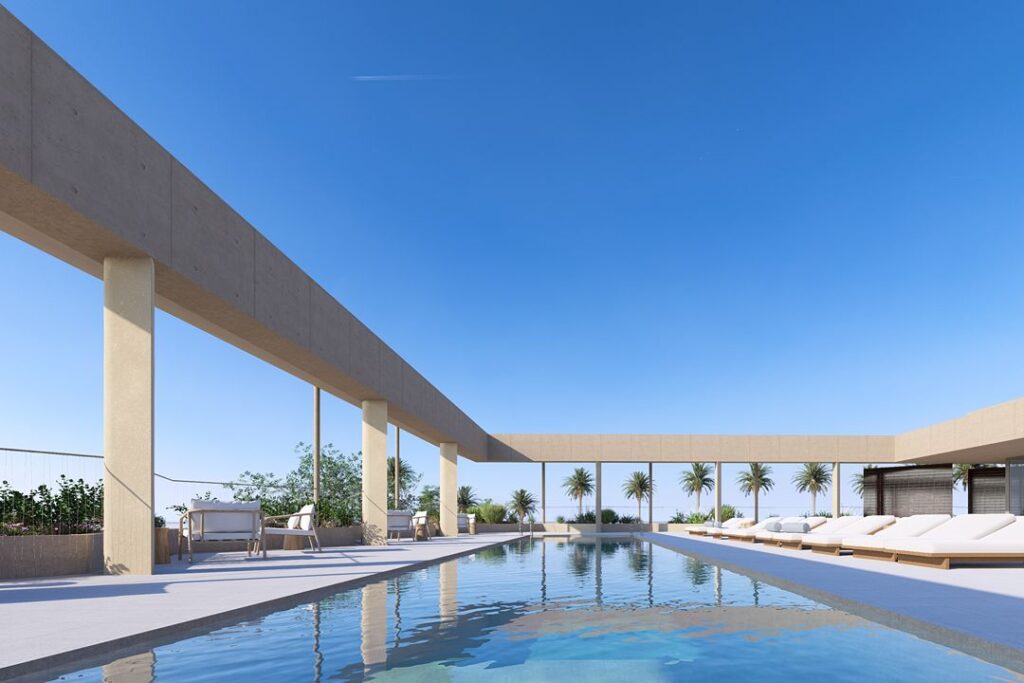
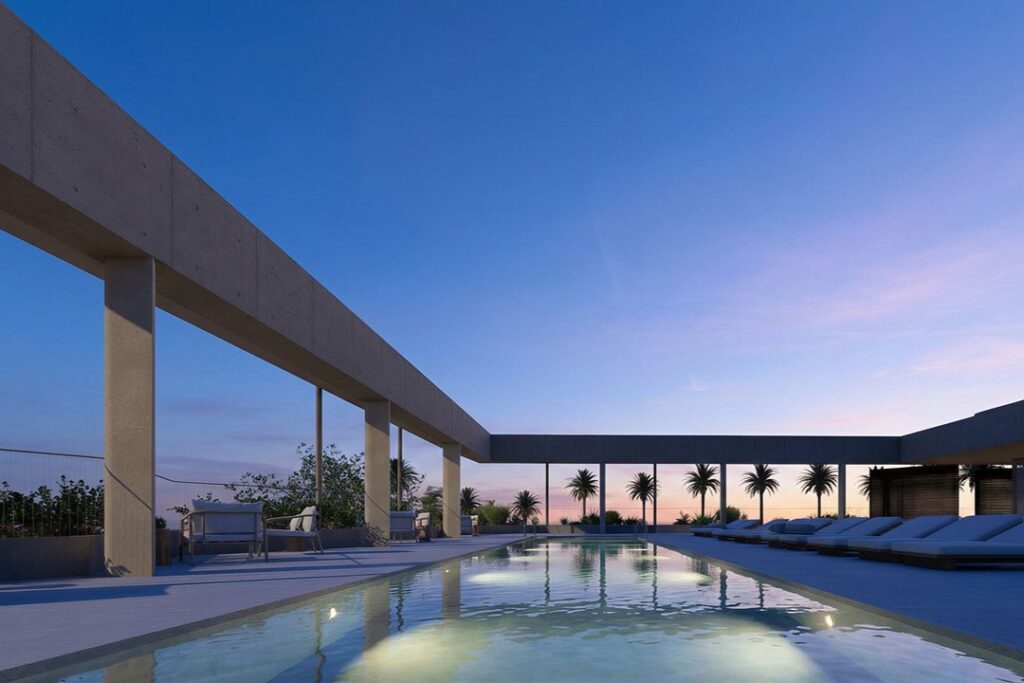
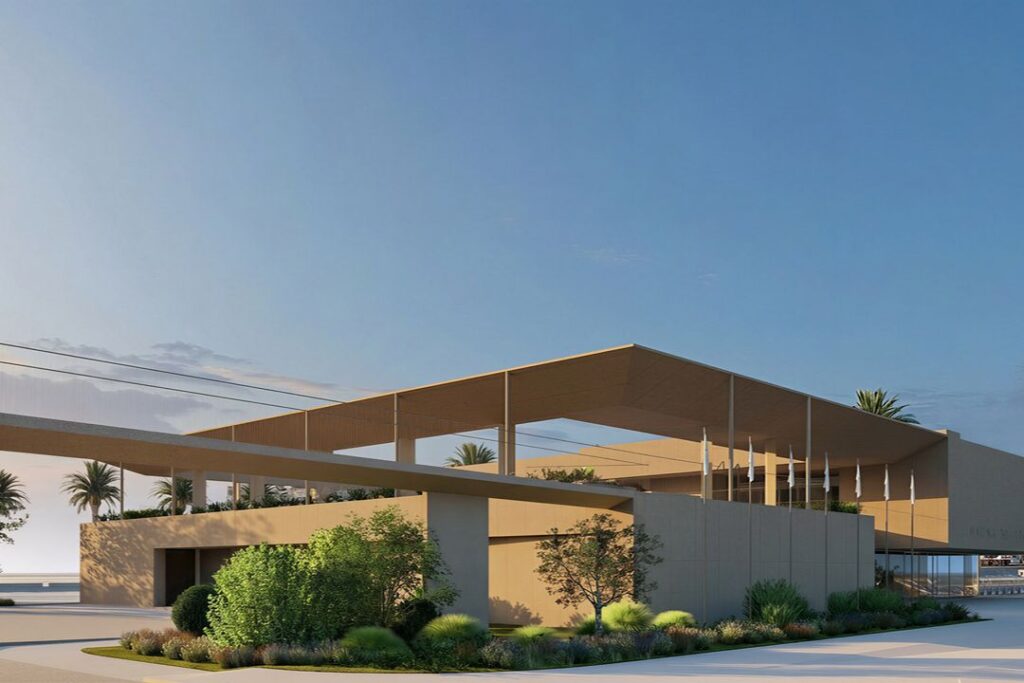
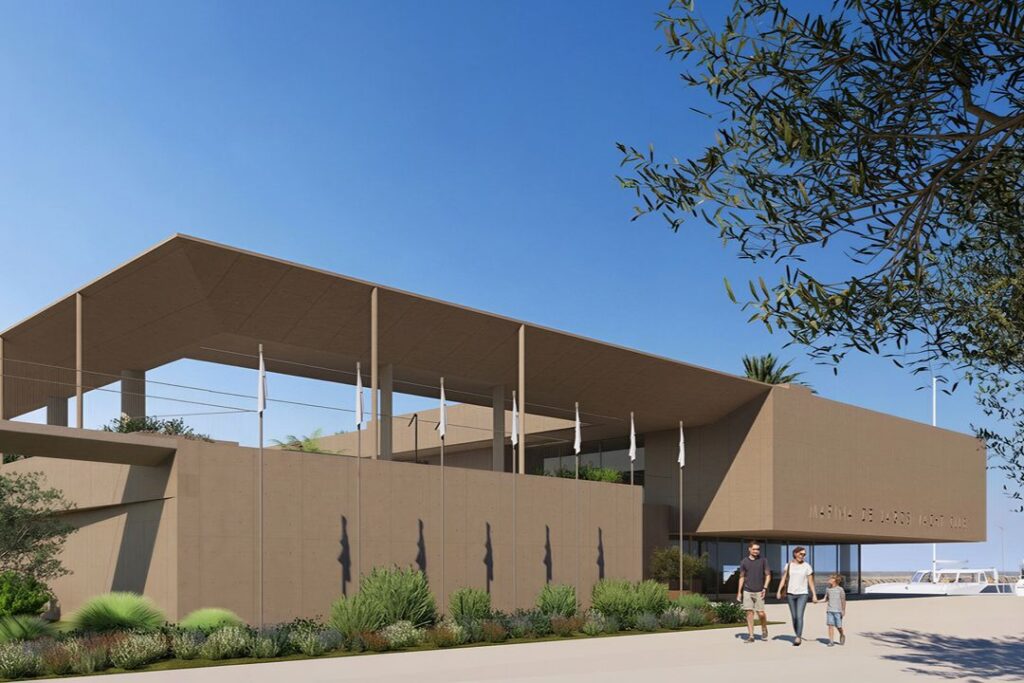
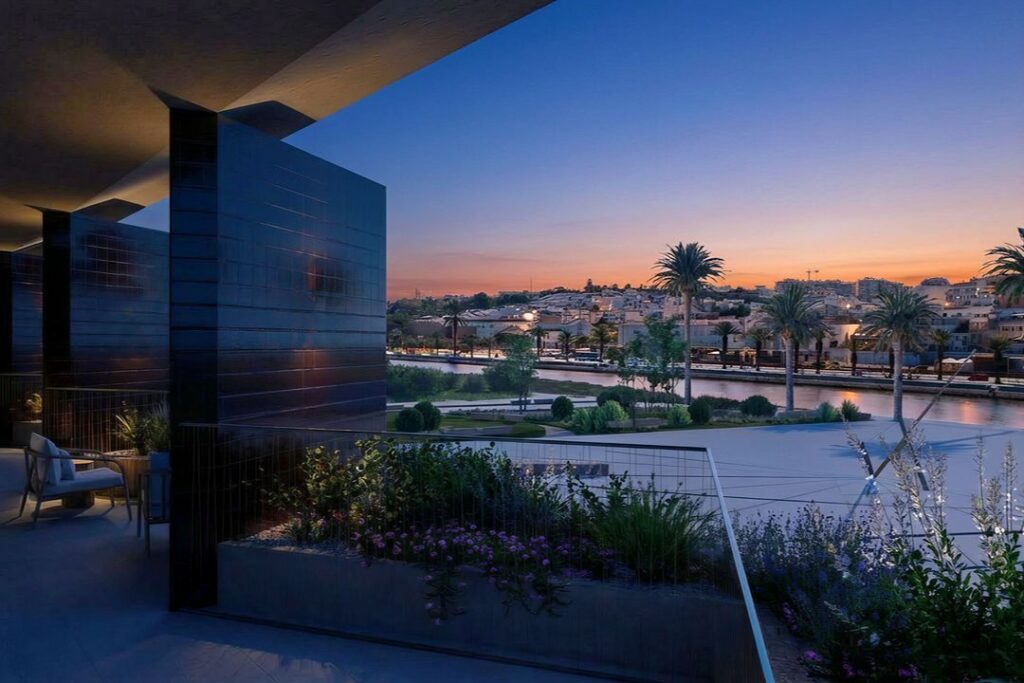
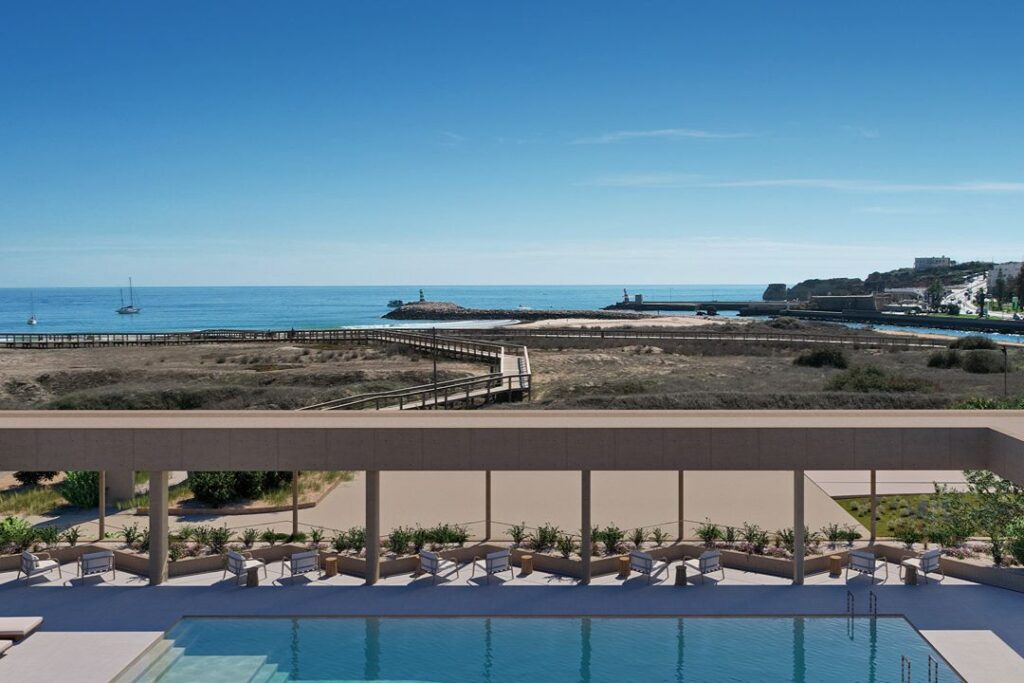
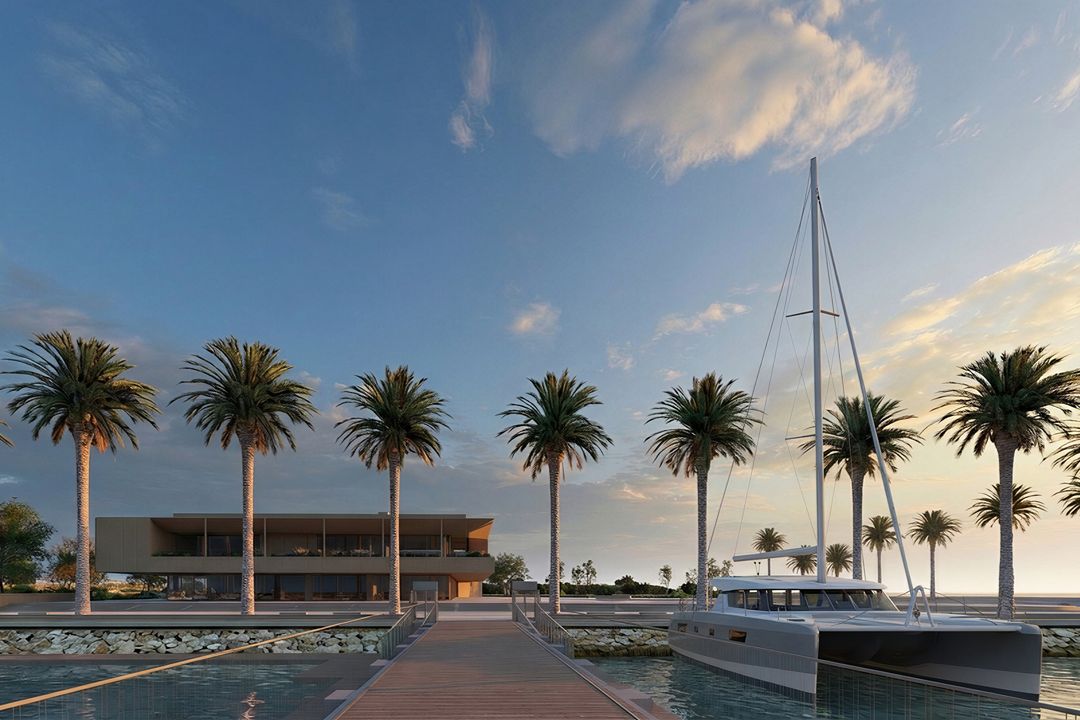
Out of this plastic waste will spring something sparkling and new. The Yacht Club & Events Plaza, designed by celebrated local architect Mário Martins, will replace the old Barrigada restaurant area. The ground floor shops, the new public events plaza, and the restaurant will all be open to the public, transforming a neglected space into a community hub. The yacht club itself will offer members a swimming pool, gym, changing rooms and concessions. And for those of us who have been struggling to park around the marina area of late, there will be designated parking for boat owners.
Martinho told me, “Every year we go to the World Marina Conference, which is held in different locations every year. We saw the trends of the yacht clubs in Dubai, Monaco and Mallorca and we thought we had the opportunity to do the first yacht club in Portugal, and to really put Lagos on the market as a five-star destination for boaters.”
The enhanced facilities and new public plaza will allow Lagos to host major global sailing events and foiling boat regattas, putting the town on the map as a premier European sailing destination. “It will make a huge difference to the city … the view you have from the city centre now is to the run-down fishing port, but, in the future, the view will be enhanced with a new plaza where locals can host concerts and events.”
Martinho emphasises that the new yacht club is not designed to compete with the sailing club. He describes the sailing club as a “very important player” and notes that the marina will always partner with them on sailing events rather than offering competing services, such as children’s sailing lessons.
Pioneering environmental sustainability
As well as enhancing the city’s communal spaces, Marlagos also aims to increase its sustainability. The marina’s innovative green initiatives and its commitment to ESG (Environmental, Social and Governance) criteria recently landed them on the cover of Marina World magazine. These initiatives include:
Innovative water systems: a dual-water system on the new pontoons: one line providing free, recycled water from the municipal sewage plant to wash boats, and another line for paid potable water to fill tanks. Additionally, water from sinks and showers will be recycled for the toilets.
Biodiversity and artificial reefs: the installation of artificial reefs under the pontoons in conjunction with CCMAR (Algarve University Centre) has had a massive impact on local biodiversity.
Marine Conservation: a five-year partnership with ECNEF to monitor and protect an ocean reef located in the bay, as well as community initiatives like collecting old ropes to be upcycled.
A phased horizon
The water area and pontoons are slated for completion by September 2026, while the surrounding land projects (such as the yacht club and car parks) will take about two years. Can we all wait that long to sip cocktails in the yacht club!?
Martinho’s excitement and enthusiasm for the project was infectious and I finished my chat optimistic about the changes. The Marlagos team are not just expanding a business, but actively enriching the aesthetic, environmental and social fabric of Lagos.