In our previous update in the January magazine, Portugal Chooses a President, James Plaskitt warned that this election was too close to call. He was right!
The voters have now spoken, and for the first time in 40 years, Portugal’s presidential race remains undecided after the first round.
If you are an expat confused by the posters, the pundits, or why we are heading back to the polls in February, here is a breakdown of what happened, how the system works, and what this means for the country’s political future.
The Results: A Historic Split
On Sunday, 18 January, voters went to the polls to elect a successor to the popular outgoing President Marcelo Rebelo de Sousa. Under Portuguese law, a candidate must secure 50% of the vote plus one to win outright. With 11 candidates on the ballot, splintering the vote, no one crossed that threshold.
The provisional results have set up a dramatic showdown between two polar opposites on the political spectrum:
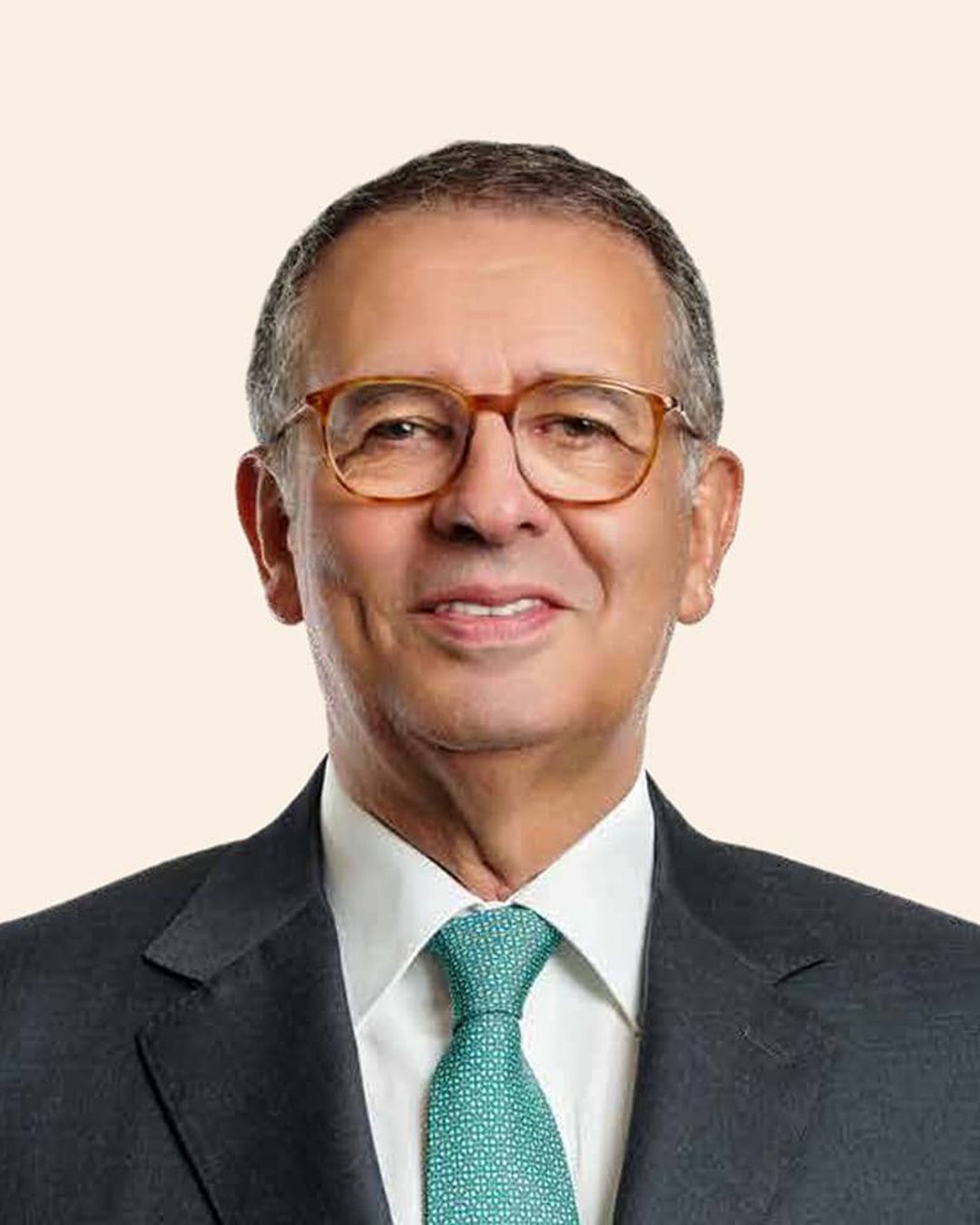
- António José Seguro (Socialist Party – PS): The winner of the night with 31.1% of the vote. A former leader of the Socialist Party, he is seen as the moderate, establishment candidate.
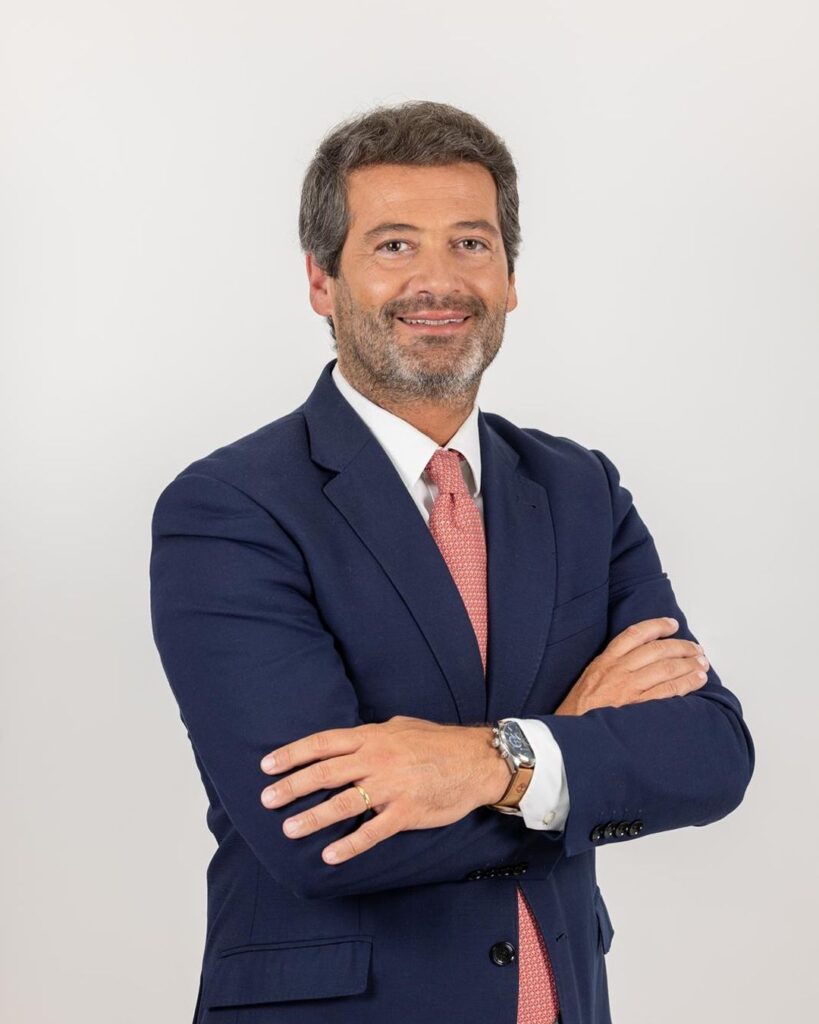
- André Ventura (Chega): The leader of the far-right populist party came in second with 23.5%.
- The Rest of the Field: The liberal, pro-business candidate João Cotrim de Figueiredo performed strongly in third place with roughly 16%. Admiral Henrique Gouveia e Melo, known to many expats for leading the COVID-19 vaccination task force, finished fourth with roughly 12.3%.
Notably, the election also featured “Candidate Vieira,” a satirical figure promising Ferraris for all and wine on tap, who secured over 1% of the vote—a small but telling symbol of anti-establishment sentiment.
Quick Explainer: What Does the President Actually Do?
For expats, the Portuguese system can be confusing. Portugal has a semi-presidential system.
- The Prime Minister (currently Luís Montenegro) runs the government and handles day-to-day policy.
- The President is the Head of State. While the role is largely ceremonial, it is not powerless.
Think of the President as a referee with a red card in their pocket: they can veto legislation, send laws to the Constitutional Court, and, most importantly, dissolve Parliament and call new general elections if the government becomes unstable.
Is Portugal Moving to the Right?
The headline-grabbing news is the success of André Ventura. This election marks a shift in the political landscape; it is the first time since 1986 that a presidential election has required a second round, highlighting the fragmentation of traditional politics.
There is a clear argument that the country is tilting rightward:
- Historical Gains: Ventura’s Chega party has grown rapidly, becoming the main opposition party in parliament as of 2025.
- The Sum of the Right: If you combine the votes for the far-right (Ventura) and the liberal-right (Cotrim de Figueiredo), a significant portion of the electorate voted for non-socialist candidates.
However, analysts urge caution before calling this a total transformation. While Ventura made the runoff, polls consistently show he has a rejection rate of over 60% among the general public. The expectation is that moderate voters—even those who didn’t vote for Seguro in the first round—will likely rally behind him in the second round simply to prevent a far-right victory. As the Spanish newspaper El Mundo noted, the second round effectively becomes a fight between “socialism and non-socialism”.
What Happens Next?
Mark your calendars for Sunday, 8 February.
This will be a head-to-head runoff between António José Seguro and André Ventura. The rules are simple: whoever gets the most votes wins the presidency.
While the math favours Seguro due to the tactical “anti-extremist” vote, the high abstention rate in Portugal (turnout was only around 52% in the first round) means nothing is guaranteed. The next few weeks will see intense campaigning as two very different visions for Portugal collide.