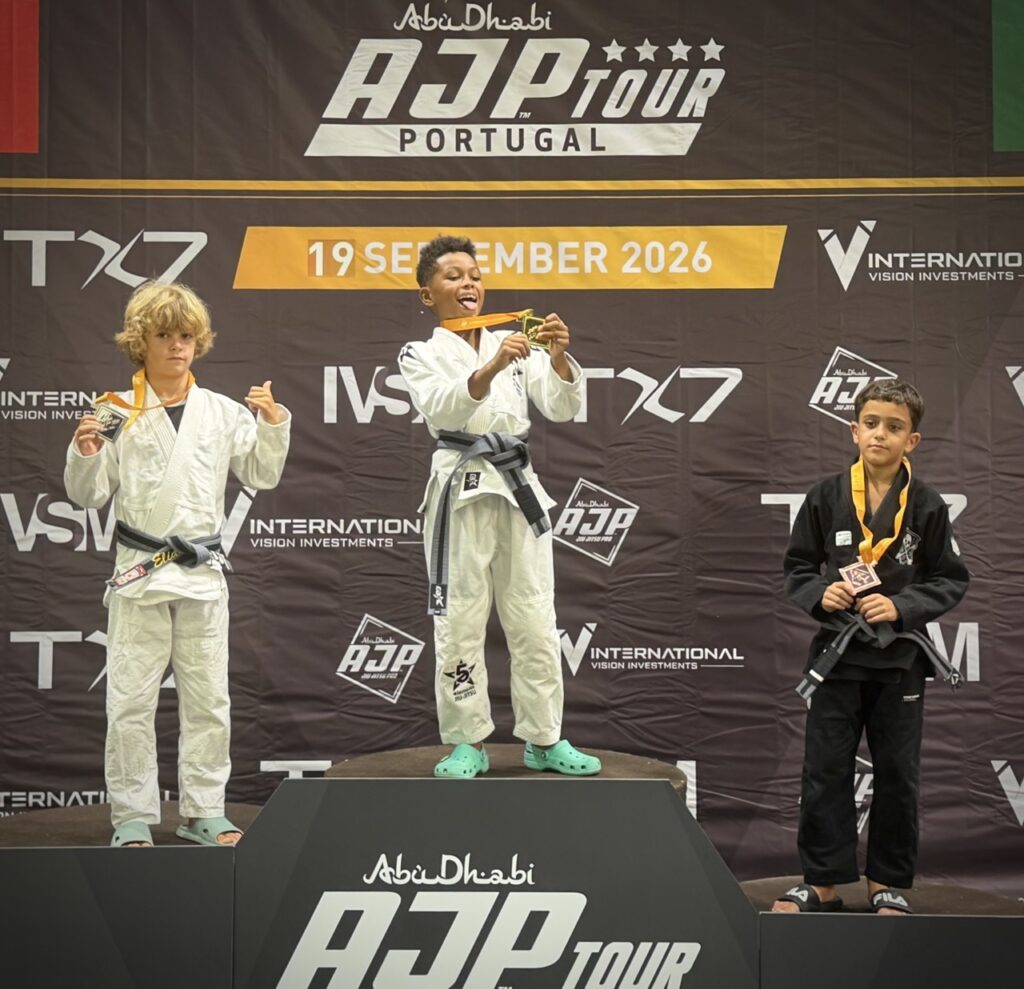
When I connect with Adónis Paulino via video call, he is in Lisbon, relaxing with his family after just competing and winning his category in the AJP national tour. His father, Ruben, is completely hoarse from cheering him on. I guess that’s an occupational hazard for a sports parent.
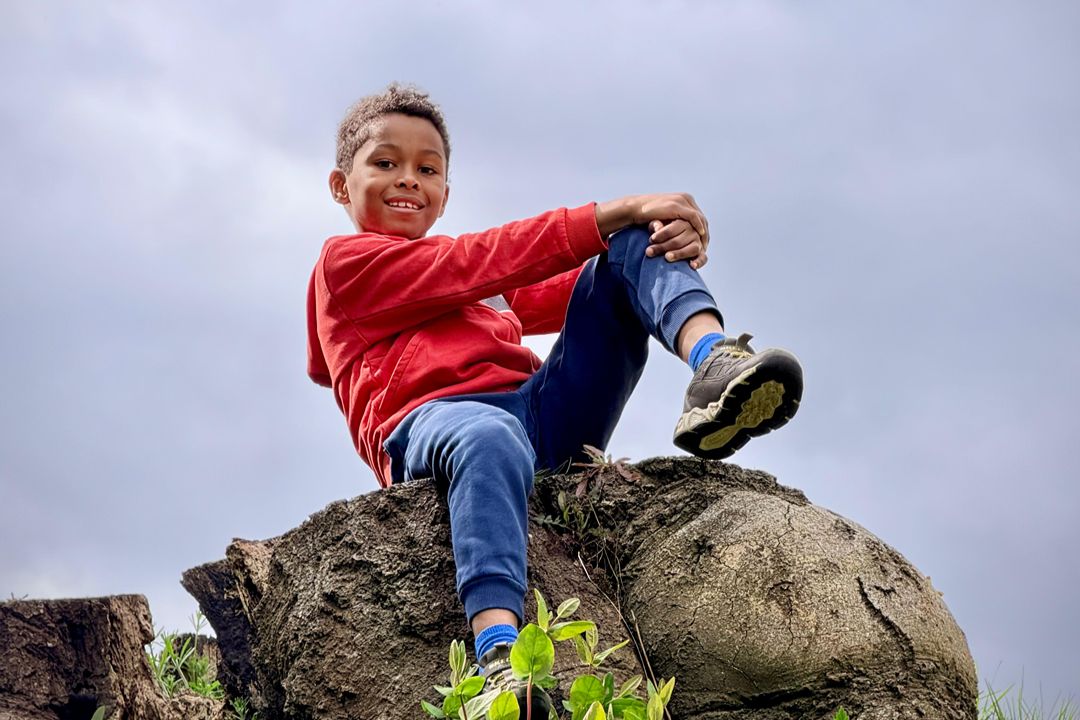
Nine-year-old Faro native Adónis Paulino is quickly making a name for himself as one of the brightest young talents in Brazilian Jiu-jitsu (BJJ). His answers to my questions show focus without ego, which is very refreshing. I can’t help thinking that if he wasn’t a sports star he could be a child movie star with his gorgeous looks and endearing personality. Maybe this is his secret weapon on the mat?
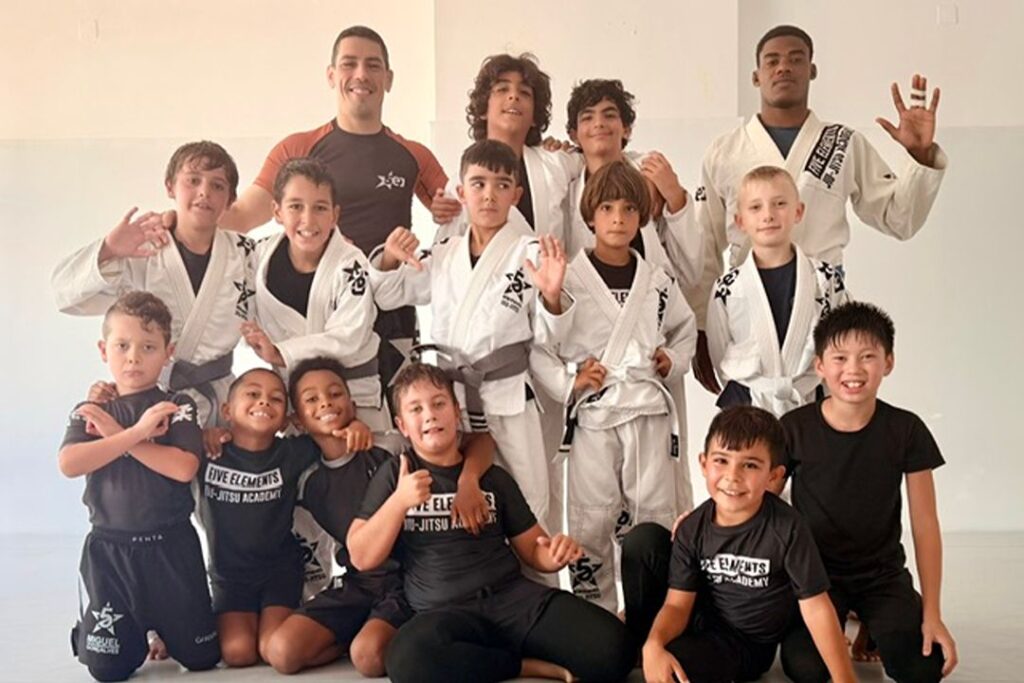
Adónis trains after school four or five times a week at his home academy, Five Elements Jiu-Jitsu in Faro. Coach Carlos Carvalho has given him a strong foundation, and Adónis has a very strong connection with his coaches and teammates. As Adónis became more involved in competition, his parents began looking for opportunities for him to experience a very high-level international training environment.
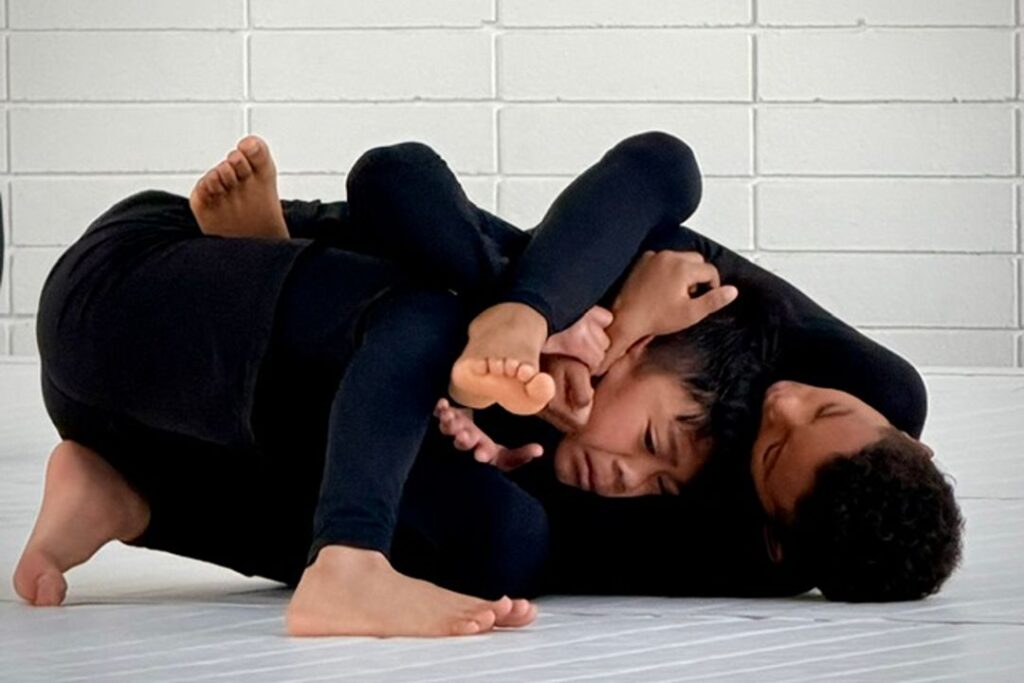
Adónis recently returned from a transformative two-month training stint in California, where he tested his skills against the world’s elite youth athletes. Training six hours a day at the prestigious Art of Jiu-Jitsu (AOJ) academy in Costa Mesa, he told me, “I had to train a lot harder, but I really enjoyed it.” Alongside his BJJ training at AOJ, he trained at ARETE Wrestling, adding another dimension to his development.
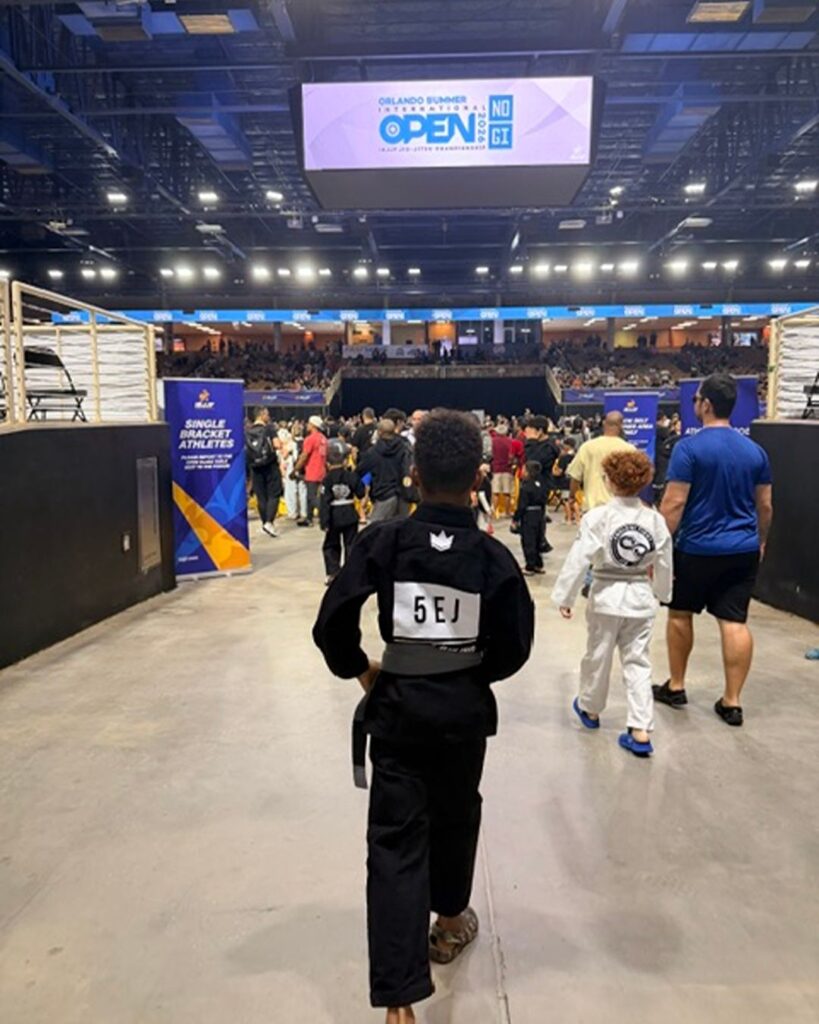
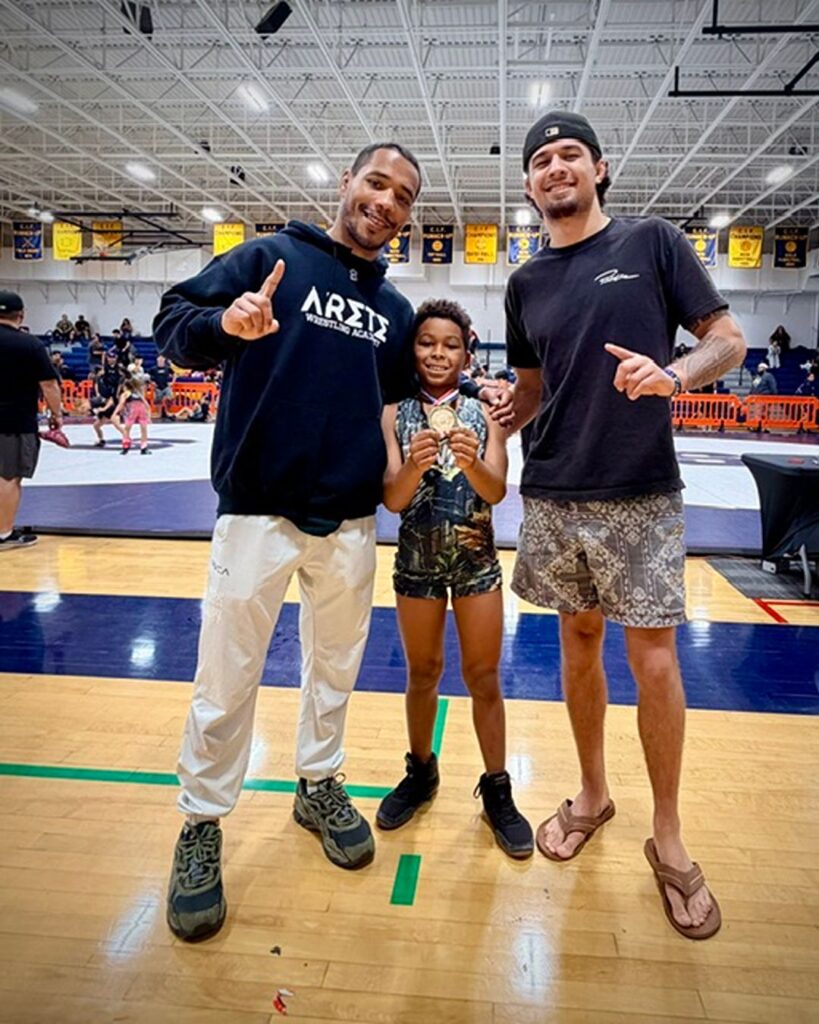
His parents were amazed at how quickly he adapted and it paid off. He claimed gold at the IBJJF Los Angeles International Open – Kids and earned bronze medals at both the IBJJF Pan Kids Championship in Orlando and the IBJJF American National Kids Championship in Las Vegas. His standout performances earned him an invitation to officially join the AOJ global competition team starting in 2027.
Adónis first stepped onto the mats at age five after his father, Ruben, a martial arts enthusiast, inspired by a defeat to a BJJ practitioner in his judo days, decided to enrol him. What started as a childhood hobby quickly revealed natural talent. Yet, competing at the highest level brings natural pressure. I ask him what his biggest challenge is. “Overcoming nerves,” he tells me candidly. “I think about other things or visualise how the match is going to go.”
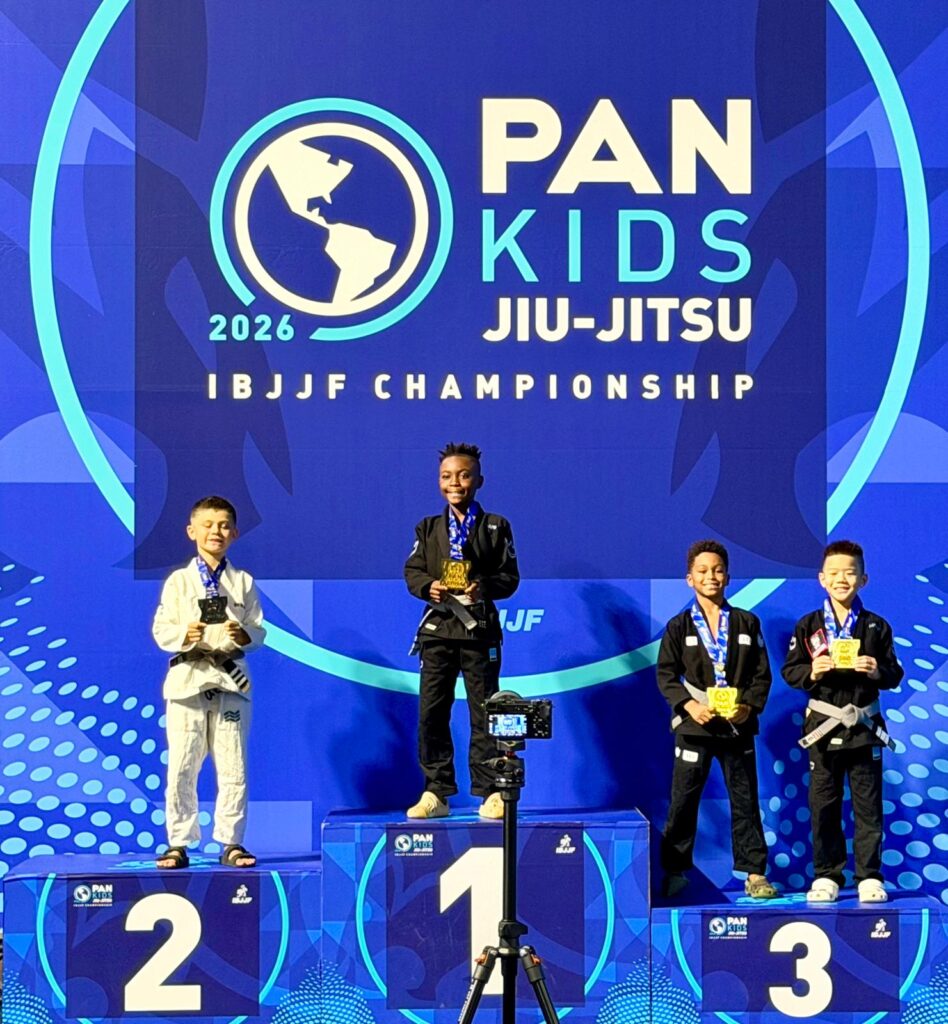
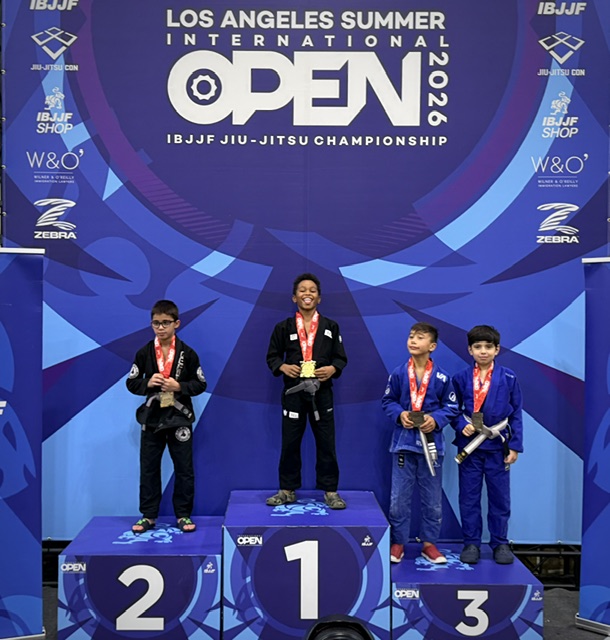
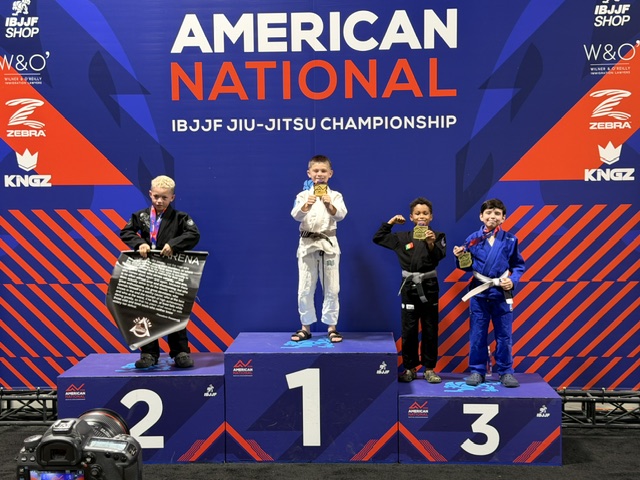
Ruben admits he often gets more nervous than his son on competition days, which take place in large arenas. However, Ruben, who is Portuguese and his wife, Aparecida, who was born in Guiné-Bissau, focus on a grounded family philosophy. Adónis has an older sister, Nubia, and a younger brother, Kenzo, so his parents try to keep everything in perspective. “Jiu-jitsu is a very important part of Adónis’ life, but it cannot become his entire childhood. I think parents have to be careful not to turn a child’s sport into an adult’s ambition.” In addition to BJJ, Adónis stays well-rounded by playing tennis, sailing, doing gymnastics and listening to his favourite artist, Michael Jackson.
Ruben tells me, “Our question to Adónis at the end of the competitions is not simply, ‘Did you win?’ We want to know: ‘Did you enjoy it? What did you learn? What could you have done differently?’”
A supportive school partnership
Balancing rigorous athletic ambitions with education requires a strong support system, and Adónis’s school, Nobel Algarve British International School Almancil, where he has been a pupil for four years, has been instrumental. Adónis says, “My teachers let me show the class the videos of my competitions and my medals.” Before his extended trip to California, the school arranged for him to sit exams early, maintained contact through video calls, and coordinated remote homework assignments. “Nobel Algarve has been very supportive in helping us find a balance between Adónis’ education and the opportunities that are appearing through sport,” notes Ruben.
Adónis, whose favourite subject is mathematics, takes his academic duties seriously: “If you want to compete enough, you need to study hard so you don’t get behind in work.”
Ruben believes that despite the challenges of separation and travel, it is worth it. “Martial arts can give children extraordinary tools that have nothing to do with medals – discipline, confidence, resilience, respect and the ability to remain calm when something is difficult.”
As Adónis prepares for his next major test – the IBJJF European Kids No-Gi Championship in Lisbon on 10 and 11 October, his community in the Algarve stands proudly behind him. As Ruben concludes, “Let the child own the journey”.