King Pedro IV may have ruled Portugal for only fifty-three days before becoming Brazil’s first emperor, but his heart always belonged in Porto, quite literally. Last month, the Irmandade da Lapa Church in Porto displayed the preserved heart of Portugal’s 26th monarch. But how did his heart end up in the northern city?
Born in Lisbon in 1798, Pedro spent much of his childhood in the then-Portuguese colony of Brazil. He travelled there with his parents following Napoleon’s invasion of Portugal in 1807, and the family remained until his father, King João VI, returned to continue his duties.
Upon his father’s death in 1826, Pedro was declared King of Portugal. However, after just fifty-three days in power, he abdicated in favour of his son, Pedro II, on 7 April 1831, influenced by financial difficulties and political instability in relations between Portugal and Brazil. While his son assumed the Portuguese crown, Pedro paved the way for Brazil’s independence. In September 1822, he became the nation’s first emperor, styled Pedro I, and was crowned the following month.
By 1834, Pedro was confined to his bed in Queluz Palace during the Siege of Porto, dying of tuberculosis. In one of his final acts, he wrote a letter to the Brazilian people pleading for the abolition of slavery, warning: “Slavery is an evil, and an attack against the rights and dignity of the human species.” After a long and painful illness, Pedro died on 24 September 1834.
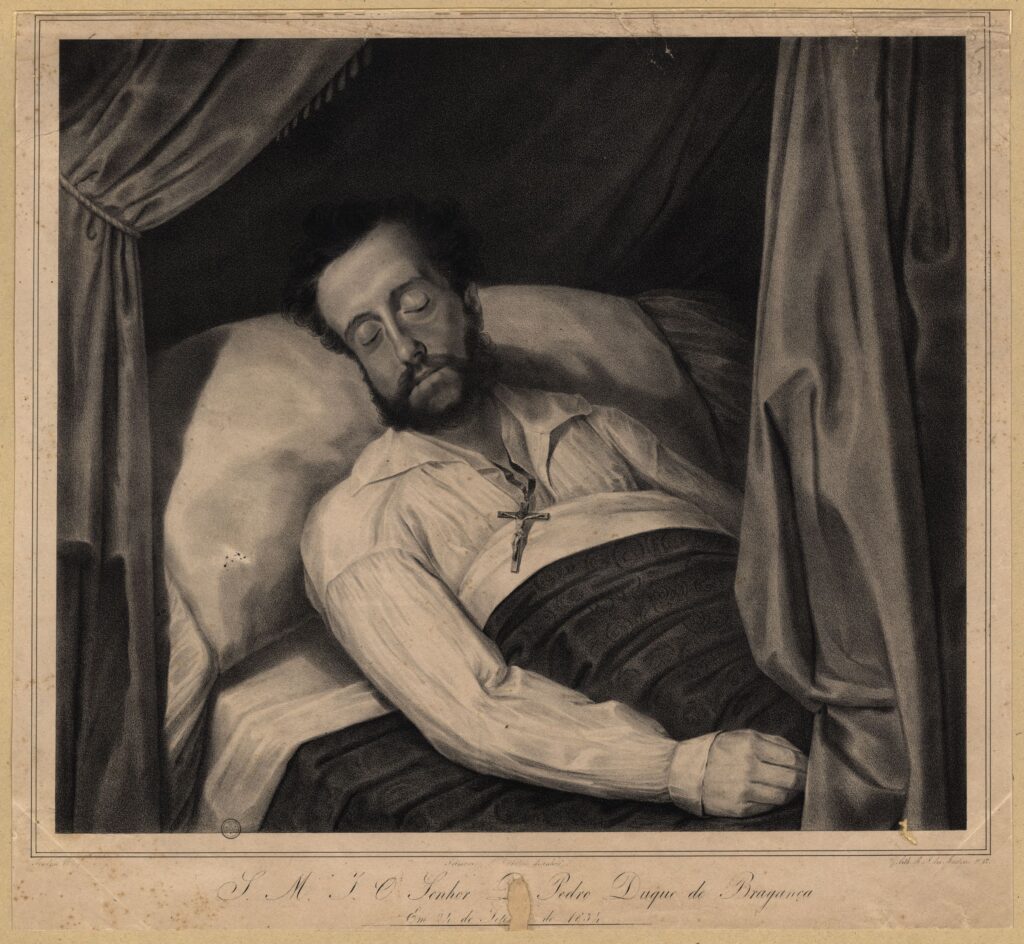
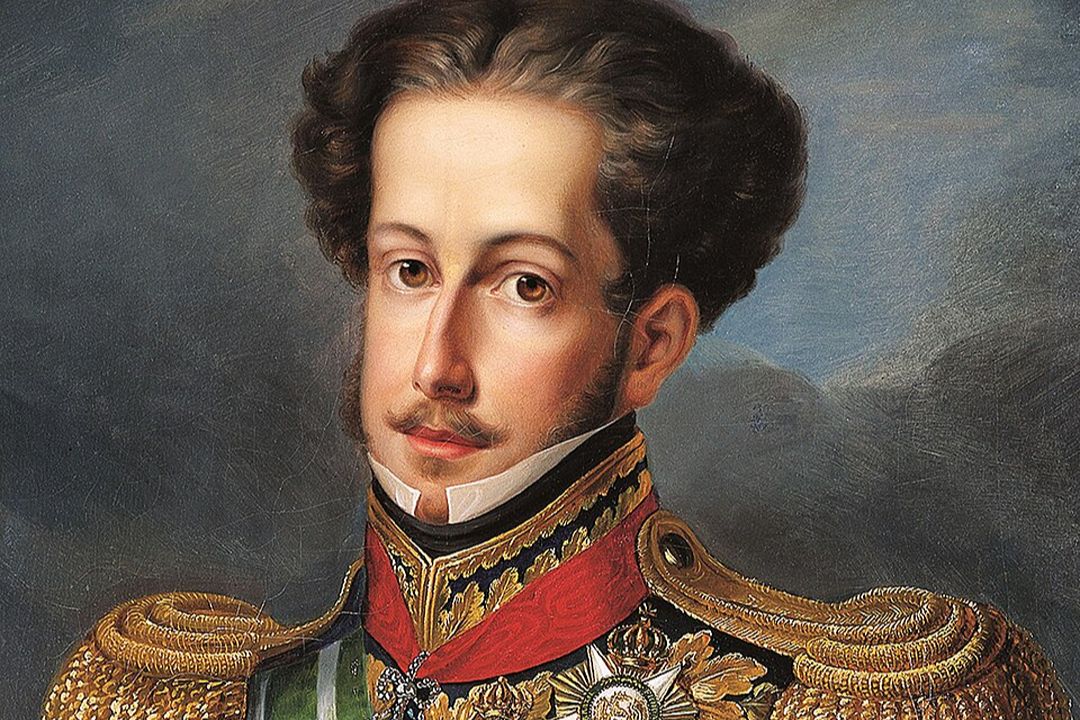
D. Pedro I by José Joaquim Rodrigues Primavera 1834 (Public Domain)
Honouring his wishes, Pedro’s heart was removed and placed in a gilded vase with two lids, and enclosed within a mahogany urn. It was given to his wife, Queen Amélia, who sent it from Lisbon to Porto via the royal aide-de-camp. Almost five months after the king’s death, the preserved heart arrived in Porto in February 1835, where it was carried in procession from Ribeira to Lapa as the entire city turned out to pay homage to the former monarch whose heart had finally returned home.
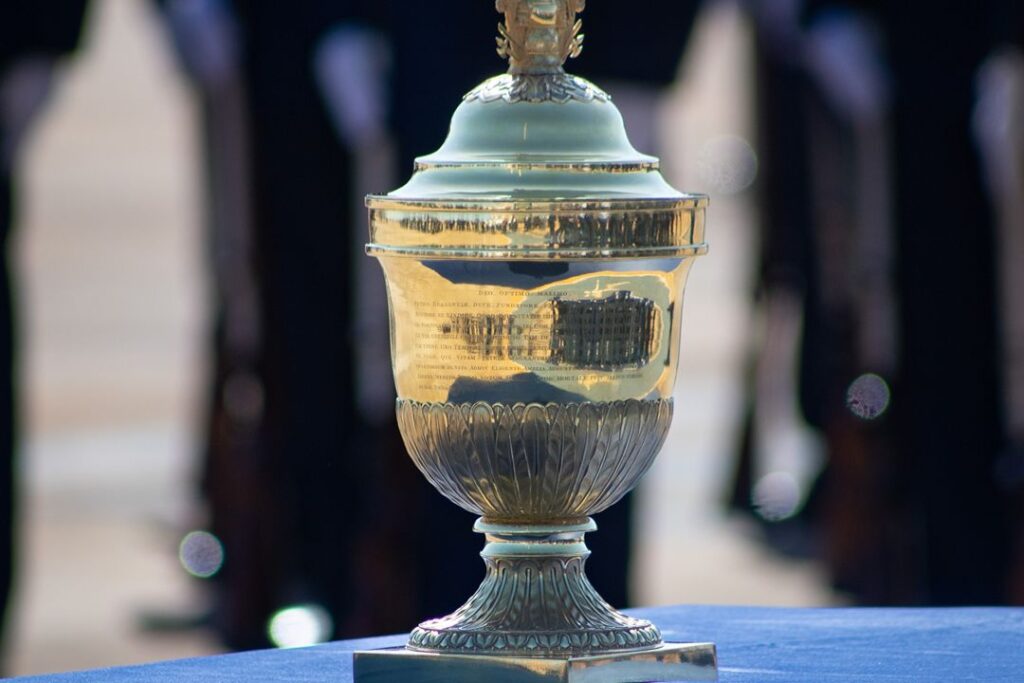
D. Pedro I heart by Ministério da Defesa (Creative Commons Attribution 2.0 Generic license).
After two years locked away in the chancel, amid fears it might be stolen, the city council and the Irmandade da Lapa reached an agreement on where the king’s heart should rest. It was ultimately placed in the Church of Lapa, where it has remained ever since as a gift to the northern city.
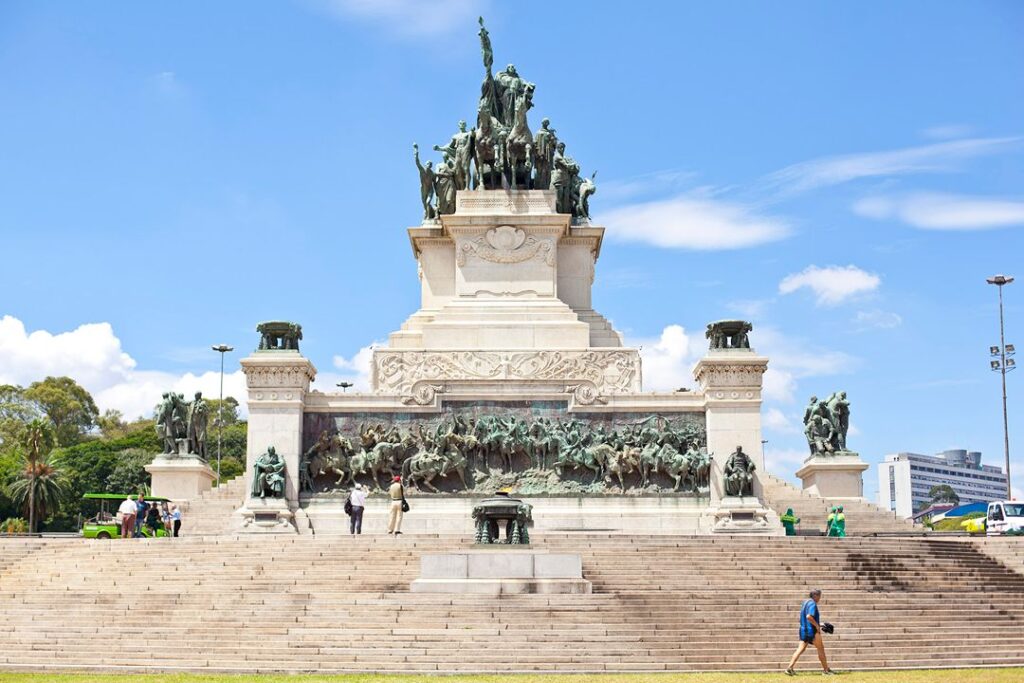
Pedro’s body was interred at the Royal Pantheon of the House of Braganza, but on the 150th anniversary of Brazil’s independence in April 1972, his remains were sent to Brazil for burial, as originally requested in his will. His coffin left Lisbon aboard the ship Funchal and was taken to Rio de Janeiro, where it received full state honours before being interred beneath the Monument to the Independence of Brazil in São Paulo.
Yet to this day, King Pedro’s heart has always remained in Porto.