Scouting has been around for over a hundred years, but what role does it play in the Algarve?
The Scout movement was established back in 1907 with a simple yet revolutionary idea: young people learn best through experience. Founder Robert Baden-Powell’s idea quickly transformed into a global movement.
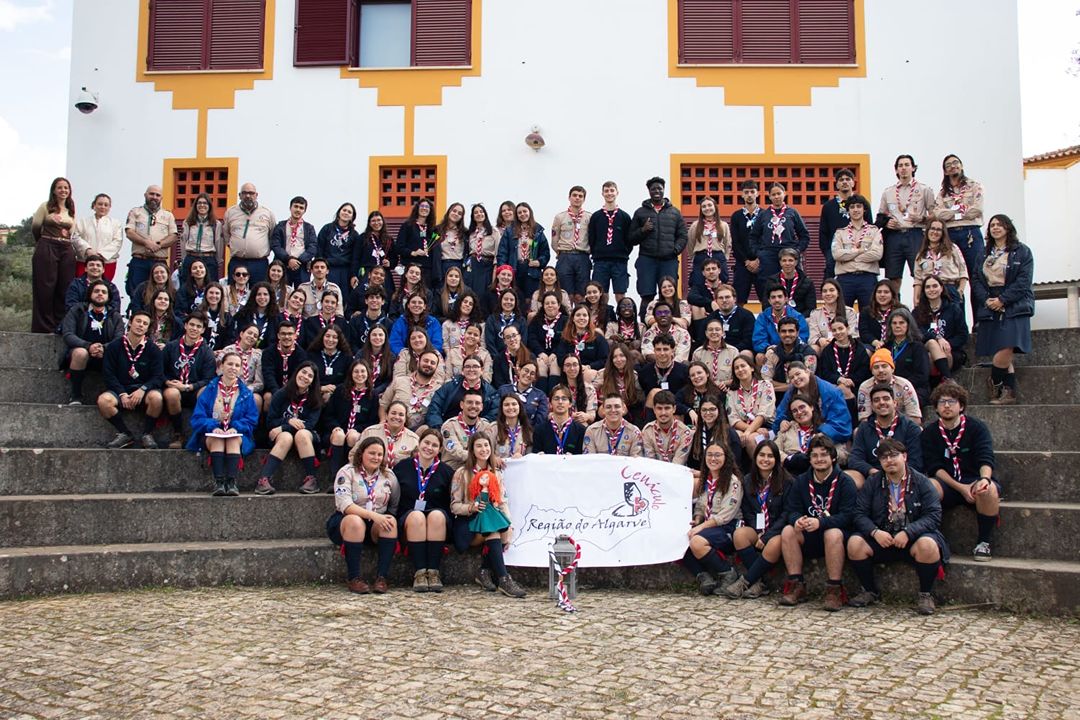
Nowadays, the Scouts is an educational movement for young people that aims to develop responsibility, leadership, independence and other important values. In Portugal, the CNE Corpo Nacional de Escutas (National Scouts Corps) has played a crucial role in the development and training of many generations of young scouts over the past century.
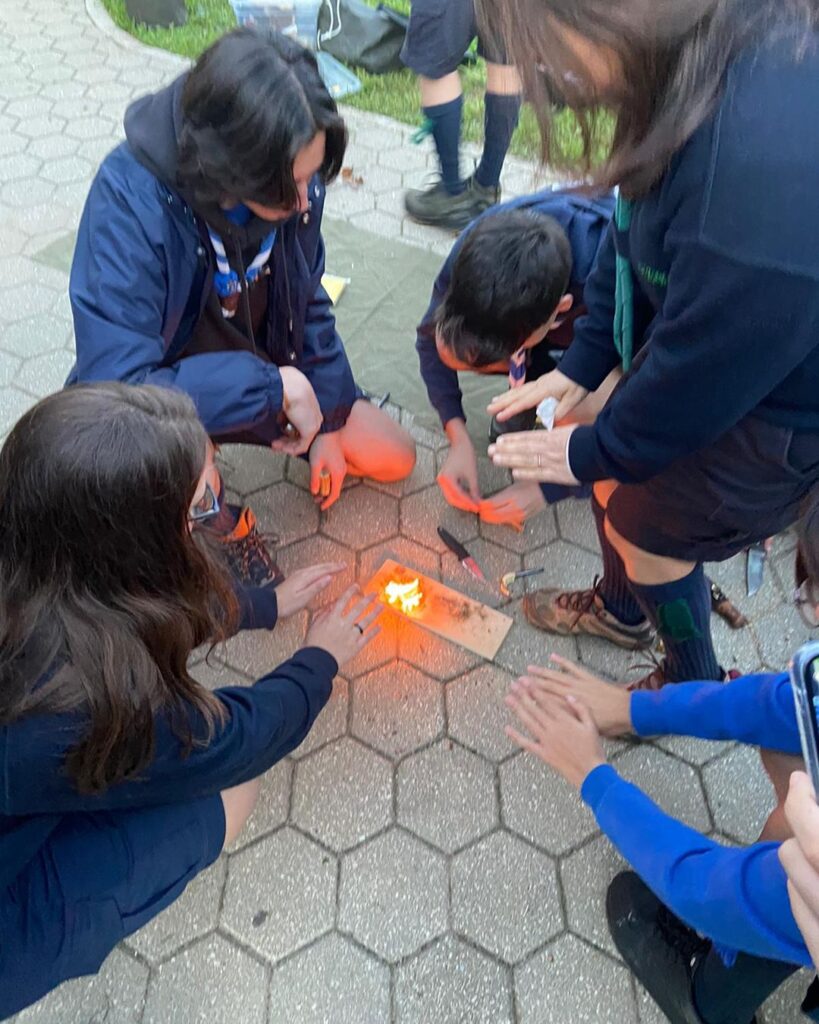
The Scouts’ ideology is simple but effective: learn while doing. From a young age, scouts are challenged to work in small groups called patrols, where they develop skills such as cooperation, leadership and responsibility through games, challenges, camping and other activities, most of which are outdoors. Every scout evolves at their own pace, by overcoming obstacles and developing new skills through a system of personal progression.
From wolves to pioneers
The Portuguese Scouts are divided into four progressive stages: the Lobitos (wolves), inspired by The Jungle Book, for children aged six to ten. Here the children learn about friendship, selflessness, basic coexistence etiquette, and encounter their first scouting values. Their activities consist mostly of games, stories and small adventures.
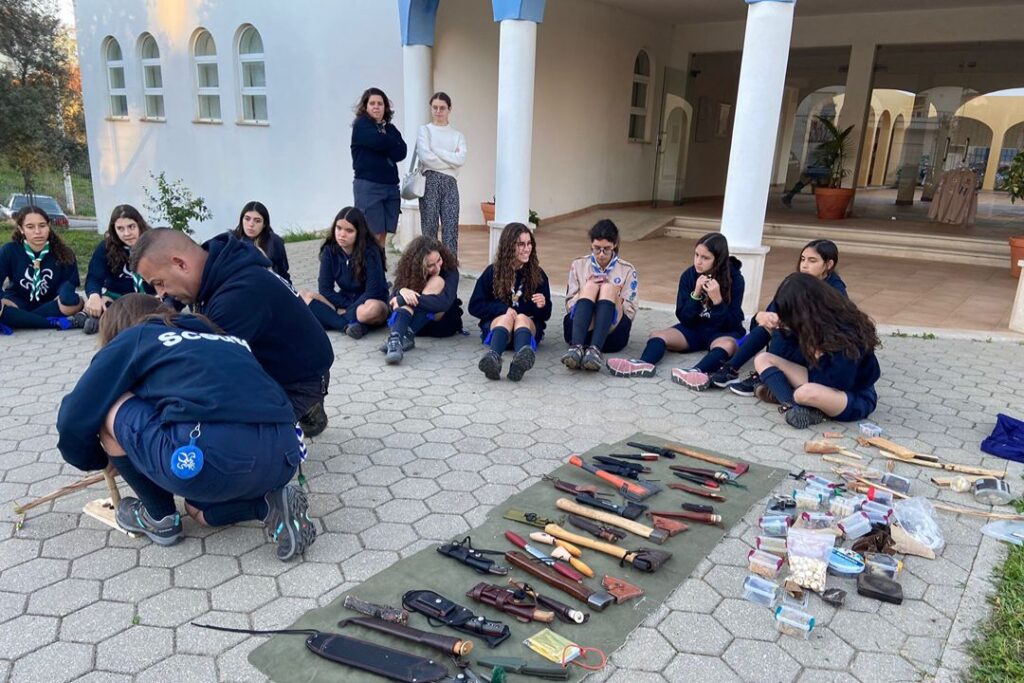
Between the ages of ten and 14, young scouts join the Exploradores (explorers), where they begin taking part in more active adventures, such as camping, performing patrol chores, reading maps, and practising field techniques. This is when the young explorer becomes more independent.
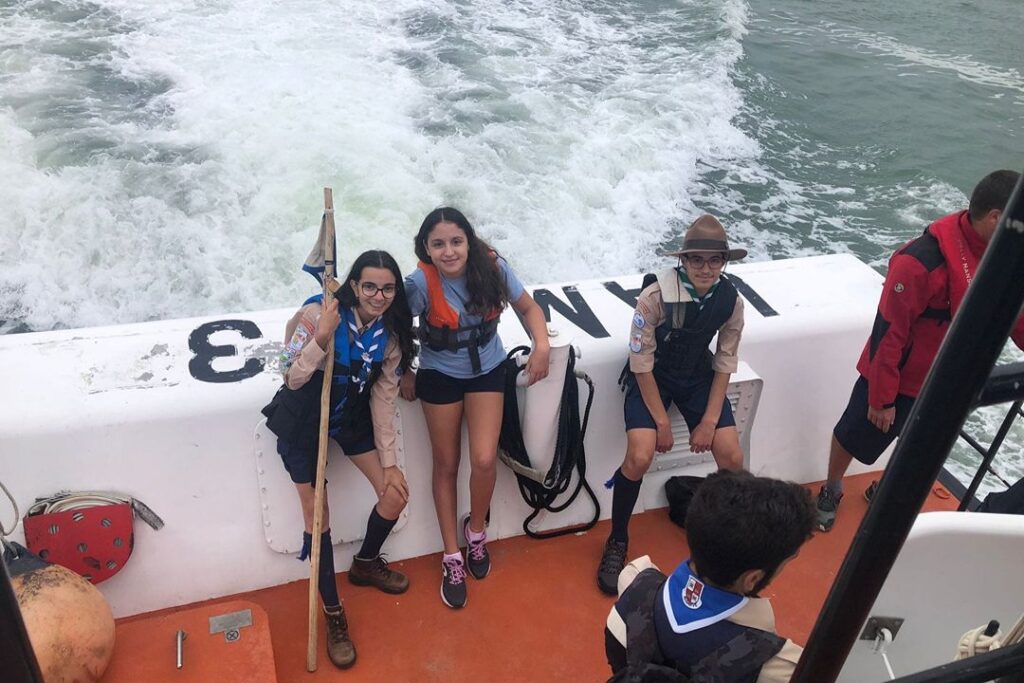
Then, from 14 years of age until they turn 18, the scouts are part of the Pioneiros/Marinheiros (pioneers or sailors), where they develop leadership skills through different projects, community service, and physical and technical challenges. Here, the scouts become more responsible in organising and leading activities.
The most advanced group are the Caminheiros/Companheiros (hikers or companions), which take scouts up to the age of 22. They spend most of their time doing community service, social projects and volunteering, preparing for the adult life ahead. Many hikers become chief scouts after their time as a scout ends.
Personal journeys
Bia Morais joined the scouts at ten after years of watching her peers in uniform with curiosity. “It was something that quickly made sense to me and where I felt integrated,” Bia explains.
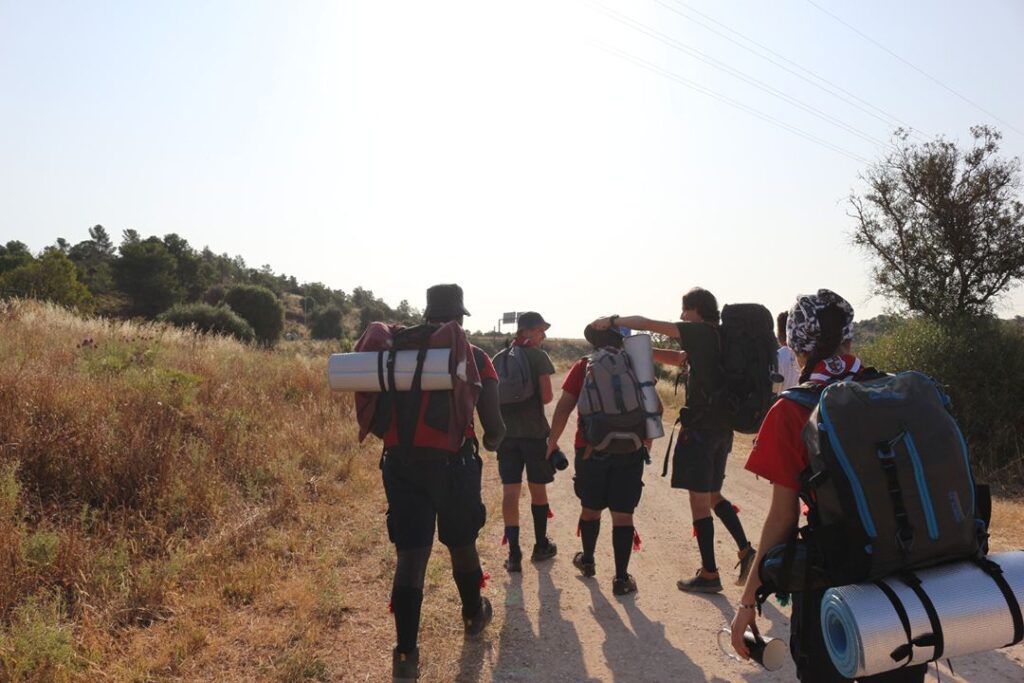
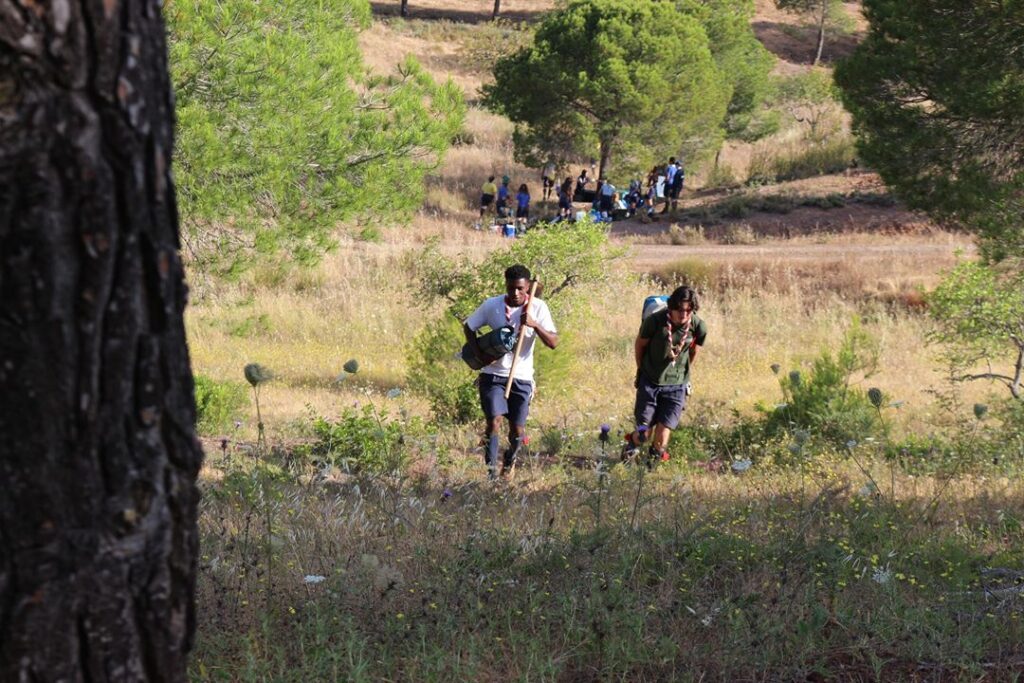
Now a ‘hiker’ living in the Algarve, she describes a typical scout camping activity as a rigorous cycle of “learn while doing”. It begins with the montagem do campo (camp setup), where scouts build shelters and kitchens using pioneering techniques. This is often followed by ‘the raid’, a gruelling hike that can reach 42km, testing limits through map orientation and decoding encrypted messages. The day ends with the fogo de conselho (council fire): a moment of music and reflection under the stars.
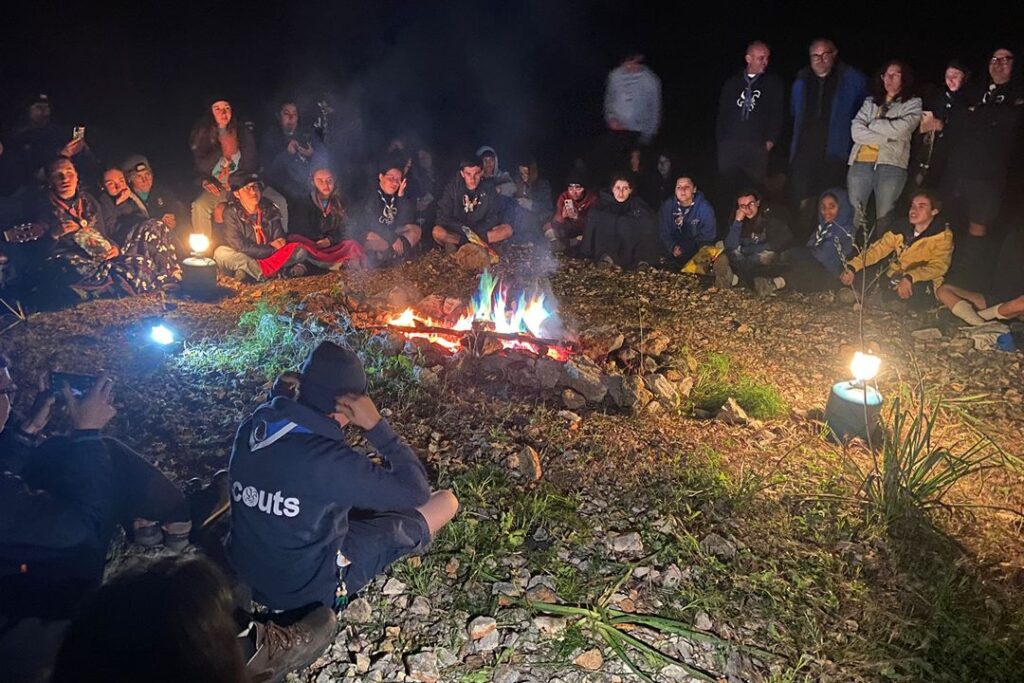
For Bia, these activities are where memories are forged. She recalls a ten-hour survival raid in Moura during her time as a Pioneira: “It was very difficult; there were moments I doubted myself, but with the help of my team, I managed to finish. It was a huge self-improvement.” She also highlights the emotional side of scouting, recalling a time her patrol finished a raid in last place but was welcomed back with a celebration by the chiefs. “Despite the difficulties, we managed to reach the end. Those memories stay for life.”
Moving into the modern age
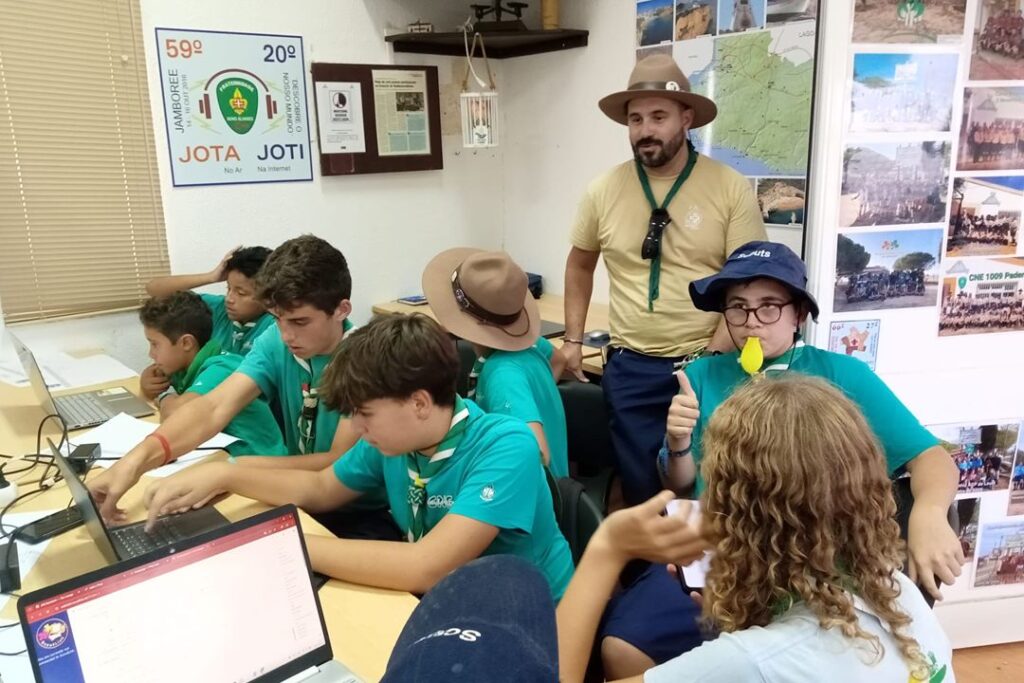
While the popularity of scouting remains consistent, the way it is practised has evolved. In recent years, the latest generation of scouts has had one huge difference in scouting practice: technology is much more present than ever before, and by including cell phones and other devices, this generation has completely rewritten tradition. Now, meetings that had to be in person can be held online, and an activity that used to rely on personal skills now uses technological tools.
While the modern world evolves, the fundamental values of the Scouts remain the same. According to the former chief scout of the Algarve region, Chefe Cercas, the Scouts’ motto summarises perfectly what the movement is at its core: ‘always ready to serve’. The motto conveys that a scout is not only always ready for adventure but also to help those in need.
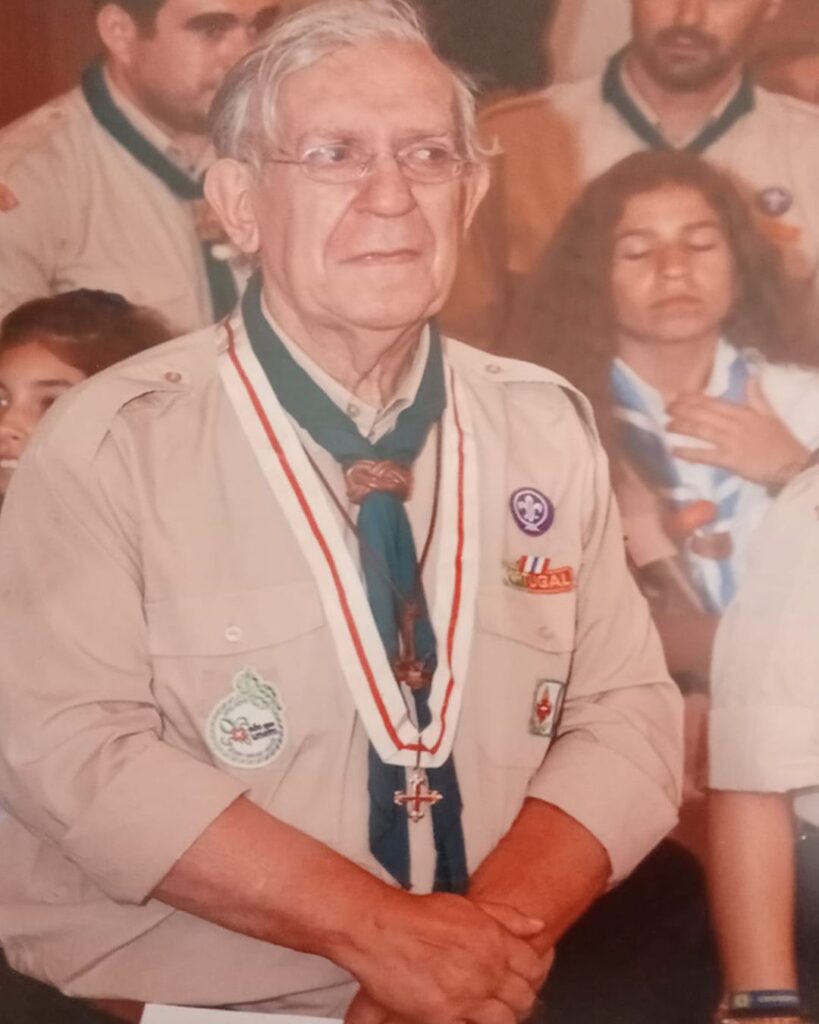
“When I look at scouting, I see much more than an activity for young people. I see a true school of life, capable of profoundly marking those who go through it and leaving a positive mark on the communities where it is present. And perhaps it is precisely this attitude of availability, responsibility and generosity that the world needs most.”
Ultimately, as Bia Morais suggests, the true value of the movement is revealed when a young person moves beyond just ‘being there for friends’ and discovers their own potential for growth. The most important part of being a scout is not the camping or hiking, but rather the service and aid the scouts provide to their community.