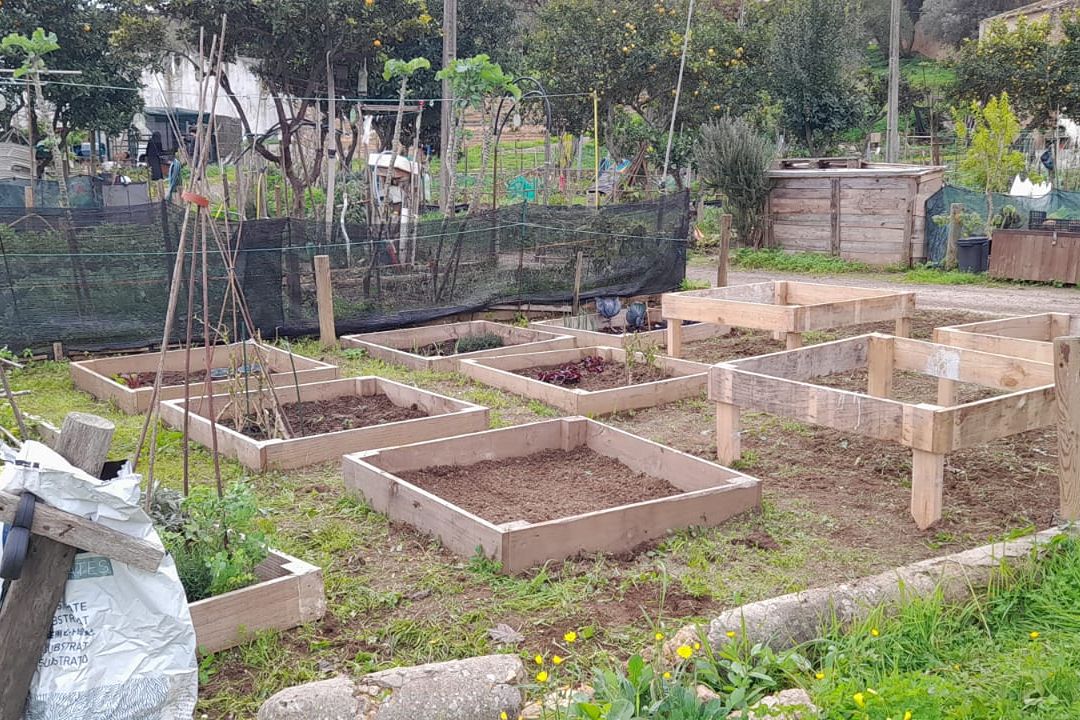
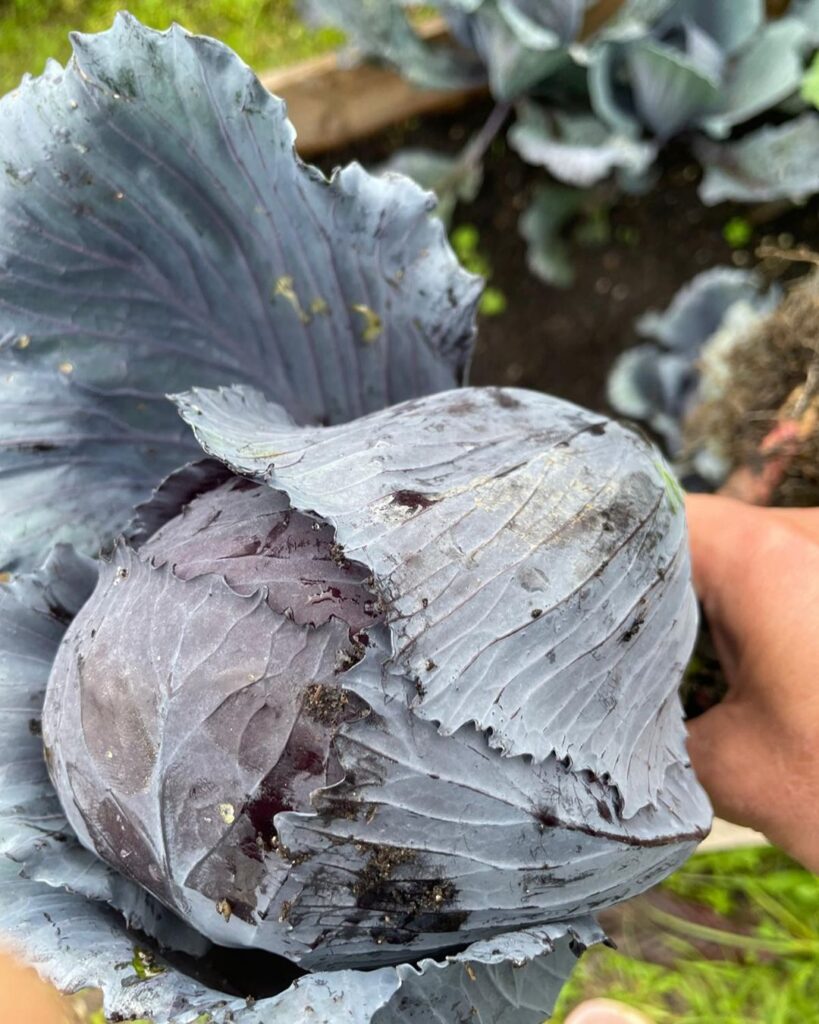
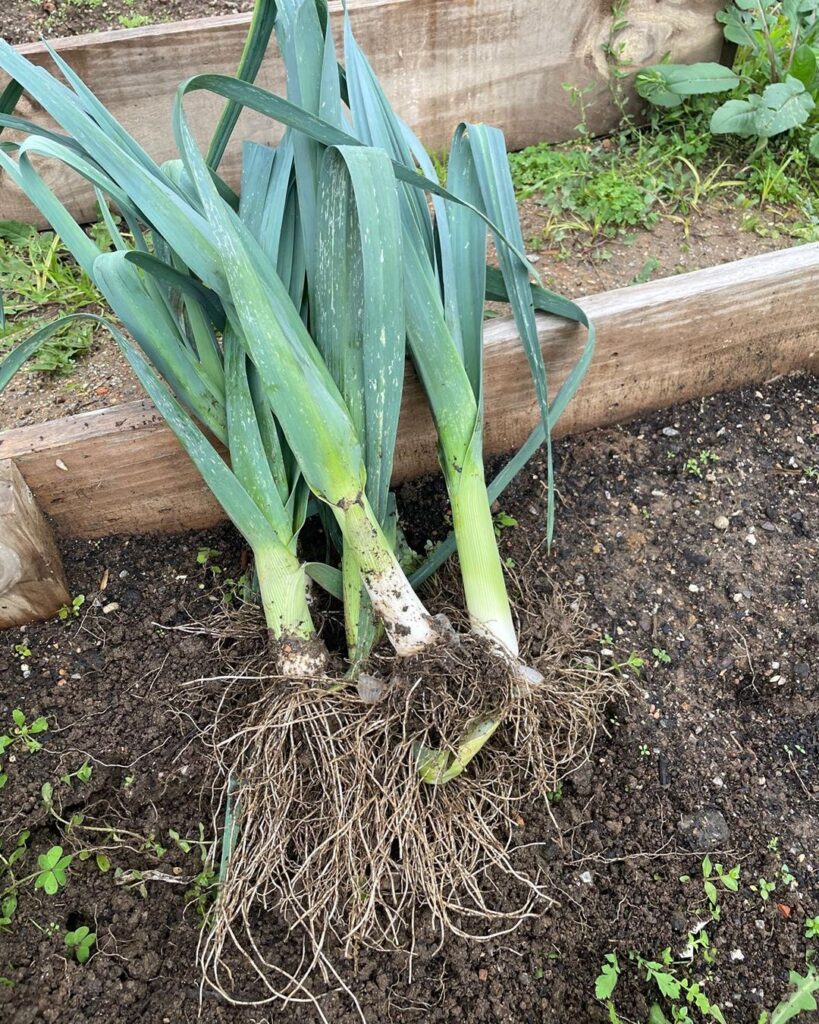
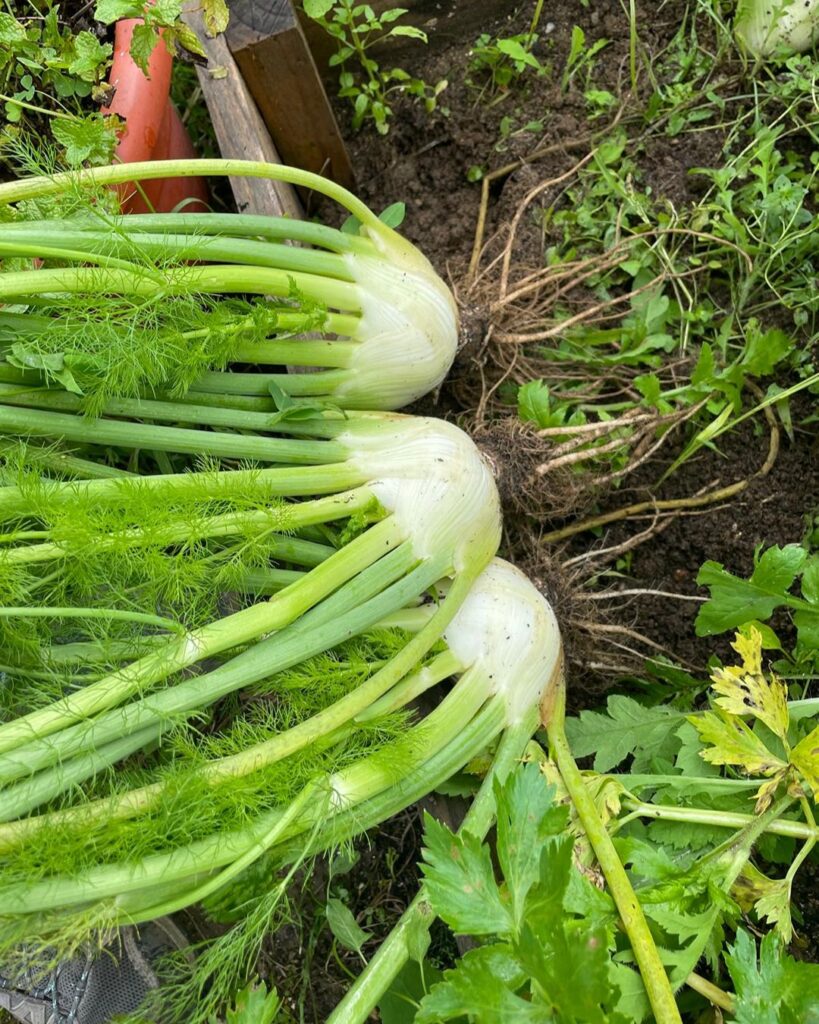
Gilly and Jayne here, back to update you on our activities. After weeks of rain, we ventured down to the allotment to prepare for the year ahead. Along with loads of weeds and nettles (which a neighbour suggested we used to make tea!), we were greeted with a few nice surprises from the last of our late crops. Peppers, chillies, coriander and mange tout for Asian stir-fry, leeks and parsley (the secret ingredient) for delicious leek and potato soup, beetroot to roast for nutritious hummus salad bowls, red cabbage and fennel for fancy coleslaw and aubergine for moussaka; we’re guaranteed to eat well!
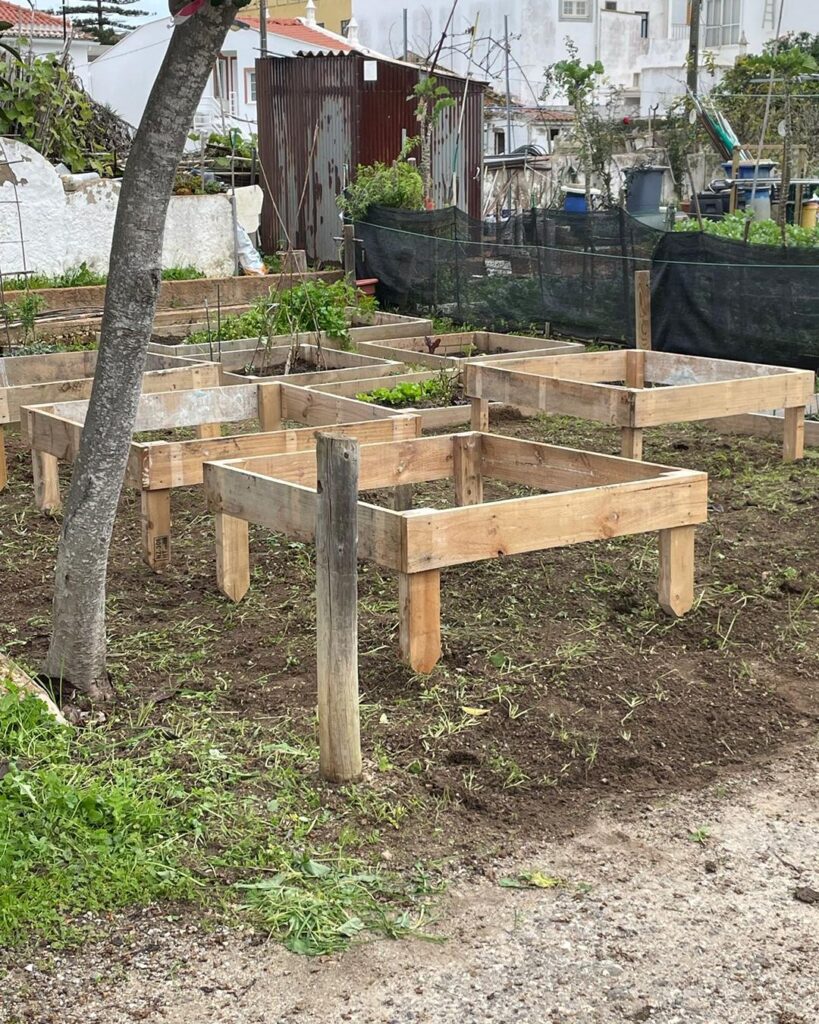
With the ground nice and soft, we set about turning the empty boxes over, weeding the walkways, and digging out for four new boxes. Most therapeutic and a fantastic way to get fresh air and burn calories.
Before planting anything this year, we agreed to think about our soil type and the nutrients we need to support a good range of veggies – a great article from the Soil Association describes organic growing as feeding the soil and not the plants; soil rich in organic matter is crucial for plant growth, as it both retains moisture and improves drainage. So, we set about looking into our soil type and learnt that ‘soil fertility’ is the catch-all term for describing soil properties and soil health. There are three main properties that, if you get them right, support successful organic plant growth.
Physical properties – the soil’s structure, texture, ability to drain or retain water, and encourage root growth. Often described as chalky, clay, sandy, etc. The ideal soil type for gardening is ‘loamy’, which is a good balance of sand, silt and clay; typically, in the Algarve, the soil is a type of loam, containing different mixes of volcanic soils and chalky barrocal clay.
Chemical properties – describes the nutrients (nitrogen, phosphorus, potassium, etc.) and soil pH level. Most vegetables prefer a slightly acidic to neutral pH (6.0–7.0). You can buy testing kits and add lime to raise pH or sulphur to lower it. We saw a hack online – take two small soil samples and add distilled water to both. Add a small amount of vinegar to one and baking soda to the other. If they fizz, your soil is not neutral. Vinegar fizz indicates alkalinity and baking soda fizz indicates acidity! The volcanic soils here are particularly acidic, so we may need to adjust.
Biological properties – the presence of microorganisms, worms, bacteria, fungi, etc., which help to decompose organic matter, cycle nutrients and improve soil structure. You can improve your soil community by adding peat-free organic compost, nitrogen-rich seaweed and fish fertilisers, or mulching with a layer of straw, grass cuttings or leaves. We are still buying compost, but it’s on our to-do list to become more self-sufficient this year.
If January was all about preparing the soil, February is the month for planting seeds for summer vegetables. It is also a great time to sow one of our favourites from last year – Swiss chard. If you are following along, it’s not too late to get your gardening gloves on and put the effort into your soil now, and sowing seeds in small pots will ensure you are ready for spring. Enjoy, catch you next month!
What is nettle tea?
A hot drink made from the leaves of stinging nettles (fresh or dried but always washed first), infused in hot water for 5–10 minutes and strained.
Nettles have a mild spinach taste and can also be used in soups or pesto!
Why?
It’s rich in vitamins, minerals (such as calcium, iron, and potassium) and antioxidants.
Claims to have a long list of health benefits.
Why not?
Might get stung when picking the leaves!
Not recommended/need to check if pregnant/breastfeeding or have certain health conditions and take medication, e.g. kidney, liver, heart disease, etc.
Recipe Delicious Beetroot Hummus:
- 1 roasted beetroot, approx. 250g (or shop-bought, cooked but not pickled)
- 1 jar of drained chickpeas
- 2 cloves of garlic
- 2 tbsp lemon juice
- 2 tbsp olive oil
- 2 tbsp tahini
- 1 tsp ground cumin
- 1 tsp ground coriander
- Good pinch of salt and pepper to taste.
Blitz in a blender or with a hand blender until super smooth and creamy, chill in a bowl before serving.