


It’s officially 2026, the start of a new year and the beginning of the January blues. With the nights drawing in and the colder weather upon us, we could all do with a laugh. Thankfully, 10 January is the Feast of St. Gonçalo de Amarante, when a rather risqué cake is humorously served in his honour. But before we continue, I must add a trigger warning: those of a sensitive nature may wish to turn to the next page.
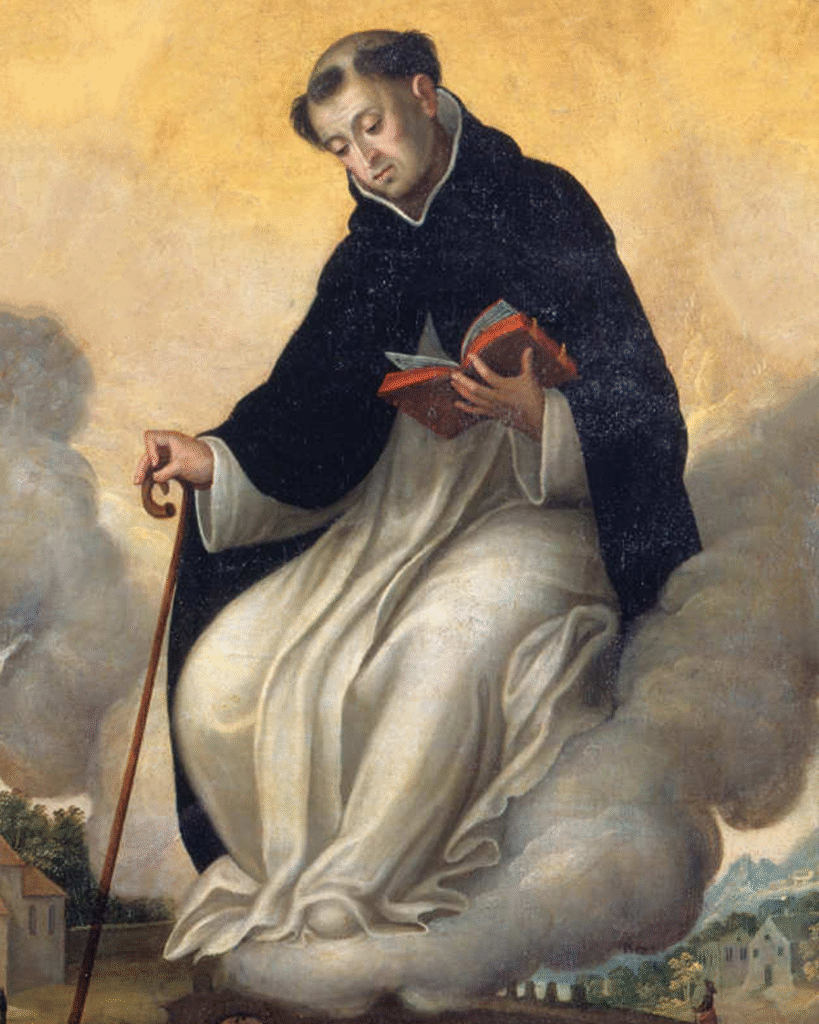
St. Gonçalo, or São Gonçalo de Amarante, was born in 1187 in Arriconha, Braga district, in northern Portugal, to the noble Pereira family. He found his calling as a priest early on in life and would eventually study at the Cathedral School of Braga, before becoming the parish priest of São Paio de Vizela.
Known as the hermit priest, St. Gonçalo was full of kindness and was widely known for his match-making efforts, especially those involving women seeking husbands or fertility. After making pilgrimages to Rome and Jerusalem, he settled in Amarante, 60km east of Porto, where he would remain for the rest of his life.
It was in Amarante that Gonçalo de Amarante became known for his miracles, often healing the sick and aiding women seeking marriage or children. He was so admired by his followers that locals were distraught when they learned of his death on 10 January 1259. Villagers gathered together to document his life and influence and sent their petition to Rome in the hope that a saintly title would be bestowed upon him. Eventually, in 1561, Gonçalo was beatified by Pope Pius IV. Today, the tomb of St. Gonçalo in Amarante is a pilgrimage site for the faithful, and the town is the birthplace of the famous festive cake Bolo São Gonçalo de Amarante.
According to legend, a local woman began praying for the intercession of St. Gonçalo for blessings in love and fertility. Longing for a husband or at least someone capable of being one, the woman, downhearted that her prayers were unanswered, began to bake phallic-shaped cakes as an offering to St. Gonçalo. When she approached the church about her newly created offerings, the clergy said they were in no position to talk about sex, but they could definitely bake the cakes. Whether the woman found love, we will never know, but her cakes have become a traditional snack during the Feast of St. Gonçalo, and yes, they’re even blessed by the parish priest.
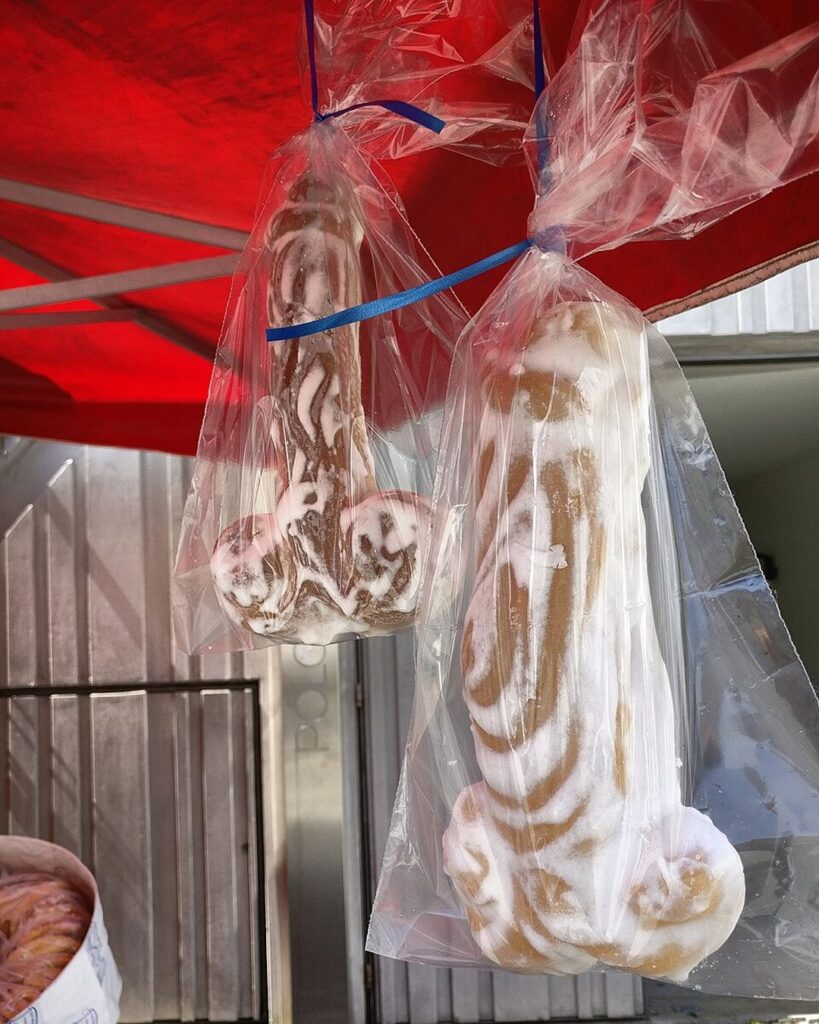
This very racy cake might not be much of a surprise to the seasoned visitor to Portugal, let alone those of us who live here. The theme of phallic objects is a fascination in Portugal that goes far beyond the tourist strip in Albufeira. Symbolising fertility, it isn’t just raunchy cakes which appear phallic-shaped in this part of the world. Even phallic pottery has become a cliché souvenir for many – not mass-produced abroad, but carefully crafted right here in Portugal.
According to legend, it was King Dom Luís I who allegedly requested a Chaldean artisan from Caldas da Rainha to make him something “different” to impress his Spanish guests who were due to visit the palace for a state banquet. Knowing that the king had a cheeky and playful personality, the royal-commissioned phallus pottery was born. Just like the Bolo São Gonçalo de Amarante, phallic pottery remains a light-hearted gift to this day.
If you happen to be visiting the village of Amarante on 10 January, don’t be shocked if you see phallic-shaped bunting fluttering over the cobbled streets, let alone many blessed phallic-shaped cakes sold by local grandmothers on the street corner, or even naughty ceramic objects. It is just one of Portugal’s traditions, or a holy version of Tinder, that brings a naughty smile during the cold January blues.
Intercession of São Gonçalo de Amarante
O glorious São Gonçalo, faithful servant of God,
who walked the path of humility, charity, and devotion,
intercede for us in our trials and sorrows.
You who comforted the afflicted, healed the sick,
and brought peace to troubled homes,
bring serenity to our hearts and unity to our families.
Help those who seek love and companionship,
especially those who feel forgotten or alone.
May your example inspire us to live with kindness and faith,
and may your prayers bring us closer to God’s grace.
Amen.